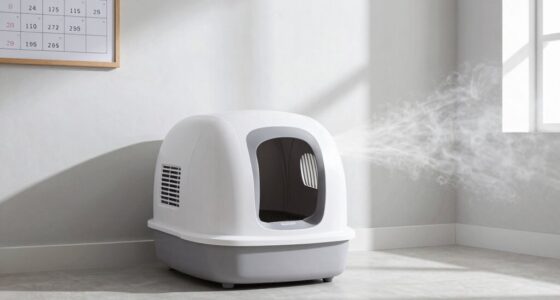
When you’re home, your nose can get “nose blind,” meaning you stop noticing lingering odors like pet smells or cooking fumes because your brain adapts to them over time. This natural process, called scent adaptation, helps prevent sensory overload but also hides the buildup of allergens and odors that could affect your health. If you want to stay aware of hidden smells and improve your home’s air quality, there’s more to explore on how to detect and manage them effectively.

Get oils, diffusers and self-care delivered free with Prime
- Fast, free delivery on millions of items
- Prime Video, Amazon Music and more included
- Member-only deals all year
Key Takeaways
- Nose blind causes continuous odors to become unnoticeable over time due to scent adaptation.
- It masks the buildup of household allergens and lingering smells, making detection difficult.
- Relying solely on smell can lead to overlooked air quality issues and unclean environments.
- Using air quality testers and proper ventilation helps identify unnoticed odors and allergens.
- Regular cleaning and fresh air exchange are essential to maintain a healthy, odor-free home environment.

Have you ever noticed how you can live with a persistent smell in your home or on your body without even realizing it? That’s the “nose blind” effect in action. Over time, your nose becomes accustomed to certain odors, and what once seemed noticeable fades into the background. This isn’t just about smell; it’s a natural process called scent adaptation, where your brain filters out familiar scents to avoid sensory overload. As a result, you might not notice the subtle buildup of airborne allergens or lingering odors that others can detect easily.
Nose blindness causes us to overlook persistent odors and airborne allergens in our environment.
When you’re constantly exposed to a particular smell—say, pet dander, cooking fumes, or musty air—your sensory receptors gradually stop signaling its presence. Your nose practically tunes itself out. That’s why, after a while, you might not realize your home smells different from others’ homes or that your clothes carry a faint scent you’ve become blind to. This is especially important to recognize because airborne allergens like dust mites, mold spores, and pet fur can accumulate, quietly affecting your health without you noticing. The scent adaptation process means you could be breathing in these allergens daily without realizing it’s impacting your respiratory health or triggering allergies.
The problem is that scent adaptation can make it difficult to identify the need for cleaning or ventilation. You might think your environment is fresh because you don’t smell anything, but the reality is, many odors are invisible to your senses once you’ve become accustomed to them. That’s why it’s crucial to periodically evaluate your space with fresh eyes—or better yet, a fresh nose. Opening windows, using air purifiers, and cleaning regularly can help combat airborne allergens and refresh your environment, making you more aware of any odors that might be lingering. Additionally, indoor air quality can deteriorate unnoticed if you rely solely on your sense of smell. Utilizing sensory perception and air quality testing devices can help detect issues that your nose might miss.
Understanding the “nose blind” effect also helps you be more mindful of your personal hygiene and home maintenance. If you’re not aware of your own scent or the smells around you, you may unintentionally carry unpleasant odors that others notice but you don’t. Recognizing scent adaptation encourages you to step outside your comfort zone and get honest feedback from friends or family. This way, you can make sure your environment remains healthy and inviting, rather than unknowingly harboring allergens or odors that could impact your well-being. Ultimately, awareness of how your nose adapts helps you stay proactive in maintaining a fresh, allergen-free space.
As an affiliate, we earn on qualifying purchases.
Frequently Asked Questions
How Long Does It Take to Develop Nose Blind to a Smell?
You can develop nose blind to a smell within just a few minutes of continuous exposure due to olfactory adaptation. This process, also called scent fatigue, causes your nose to become less sensitive over time, making you unaware of odors that are constantly present. Typically, it takes around 10 to 15 minutes for your senses to adapt fully, but this varies depending on the strength and type of the scent.
Can Nose Blindness Affect Perceptions of Personal Hygiene?
Nose blindness can definitely affect your perception of personal hygiene. When you’re used to your own odors, you might not notice if you have body odor or bad breath, reducing your odor awareness. This can lead to neglecting regular hygiene routines, which impacts how others perceive you. Staying mindful of how you smell and asking for honest feedback can help you stay aware and maintain good personal hygiene.
Are Certain Smells More Likely to Cause Nose Blind?
Certain smells, especially persistent ones, are more likely to cause nose blind due to olfactory adaptation and smell desensitization. Your nose gets used to these odors over time, like tuning out a constant background noise. Stronger, familiar scents such as cooking odors or pet smells can fade into the background, making you less aware of them, even though they’re still there. This is why some smells seem to disappear, while others stay noticeable.
How Can I Train My Nose to Detect Odors Better?
To improve your odor detection, try olfactory training regularly by smelling different scents like essential oils or spices, and focus on identifying each one clearly. Avoid sensory adaptation by taking breaks between sniffing sessions, preventing your nose from becoming desensitized. Consistent practice sharpens your sense of smell over time, helping you notice odors more effectively and reduce nose blindness.
Does Nose Blindness Happen With All Types of Household Odors?
Nose blindness, caused by olfactory adaptation and scent desensitization, can happen with many household odors, but not all. Stronger or more persistent smells, like cooking or pet odors, often lead to quicker scent desensitization. However, milder or less frequent odors might not cause nose blindness as easily. To stay aware, try sniffing different areas regularly or take breaks from exposure to reset your sense of smell.
Conclusion
You might think your home smells perfectly fine, but thanks to nose blindness, you could be missing a stench that’s more stubborn than a mountain of laundry. Once you become nose blind, it’s like your senses are on vacation, leaving you blissfully unaware of the odors lurking around. Regularly freshening up and inviting others to sniff-test can save you from living in a cloud of invisible, odor-absorbing fog. Don’t let nose blindness turn your home into a scentless ghost town!
Halloween Picks
halloween
As an affiliate, we earn on qualifying purchases.