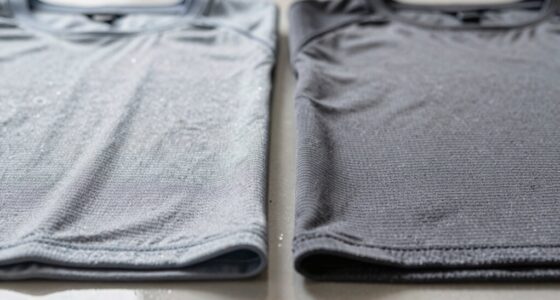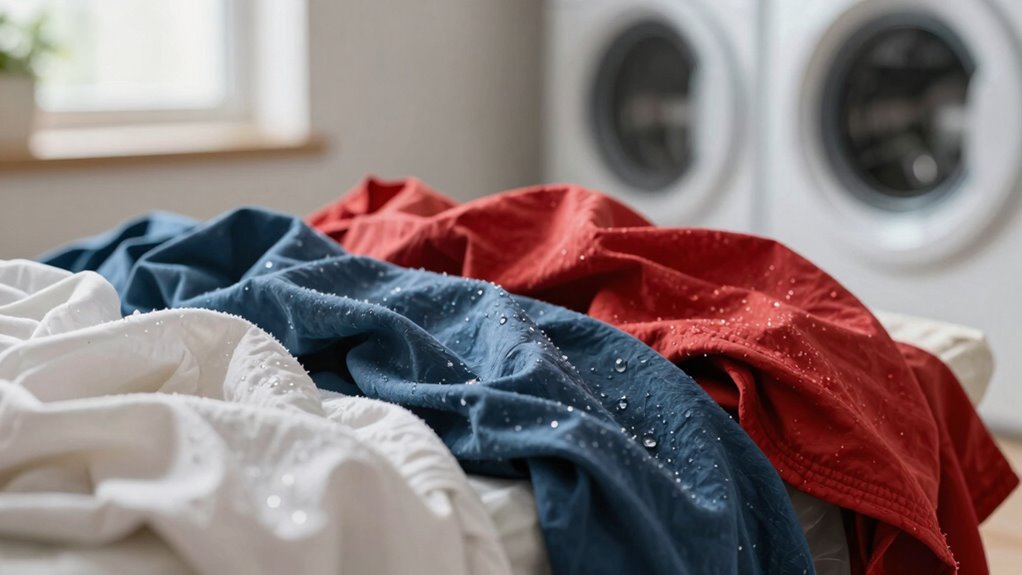

If you overuse fabric softeners, you might be trapping odors in your clothes without realizing it. Softeners create a thin film on fabrics that can trap dirt, bacteria, and sweat, making odors harder to remove over time. This film can also mask smells temporarily but doesn’t eliminate the source. To keep your clothes fresh, it’s best to use softeners sparingly and focus on proper washing techniques. If you want to discover more ways to improve your laundry routine, keep exploring.

Get oils, diffusers and self-care delivered free with Prime
- Fast, free delivery on millions of items
- Prime Video, Amazon Music and more included
- Member-only deals all year
Key Takeaways
- Overusing fabric softeners creates a film that traps dirt, bacteria, and odors in fabrics.
- Rushing or incomplete drying leaves moisture, promoting bacterial growth and musty smells.
- Overloading washing machines prevents thorough rinsing, leaving odor-causing residues behind.
- Storing damp or poorly ventilated clothes allows odors to develop over time.
- Using artificial fragrances masks odors rather than removing their sources.
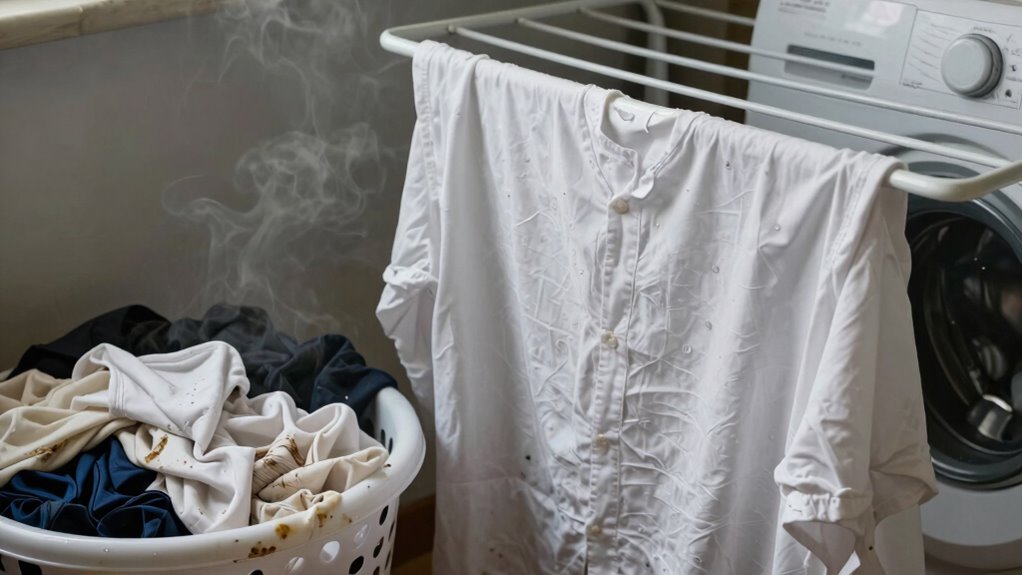
If you’re not careful with your laundry habits, you might be unknowingly trapping odors in your clothes instead of removing them. One common mistake is relying too heavily on fabric softeners without considering how they interact with your laundry process. While fabric softeners can make clothes feel softer and smell fresh initially, using too much or applying them at the wrong time can create a thin film on your fabrics. This film can trap dirt, bacteria, and sweat—main culprits behind lingering odors—making it harder to get your clothes genuinely clean. Instead of masking smells with artificial fragrances, focus on proper washing techniques that eliminate odor sources altogether.
Another key factor is your drying techniques. If you toss your clothes into the dryer and rush the process, you might leave moisture trapped in the fabric, especially if your drying cycle is too quick or incomplete. Dampness promotes bacteria growth, which is often responsible for that musty smell that won’t go away. To prevent this, ensure your clothes are thoroughly dried, preferably using a longer drying cycle or air-drying outside when possible. Air-drying helps eliminate residual moisture more effectively and reduces the chance of trapping odors inside the fabric. If you use a dryer, consider adding dryer balls to improve airflow and reduce drying time, which can help prevent clothes from staying damp. Proper laundry practices like adjusting your drying time and method can significantly impact odor prevention. Additionally, choosing the right washing cycle for different fabrics can improve odor removal outcomes.
It’s also worth examining your laundry routine for how you handle smells before drying. If you’re washing clothes with strong odors, like sweat or food, using hot water or incorporating a specialized odor-eliminating detergent can make a significant difference. Cold water washes are convenient but may not be enough to eliminate deeper odors, especially in heavily soiled items. Additionally, avoid overloading your washing machine, as overcrowding prevents thorough cleaning and rinsing, which leaves behind odor-causing residues. Using Proper laundry practices such as appropriate detergent amounts and cycle choices can further enhance odor removal. Additionally, regularly cleaning your washing machine helps prevent the buildup of residues that can transfer odors to your clothes.
Finally, be mindful of how you store your clothes after washing. Even if they come out fresh from the dryer or air-dried, storing them in a humid or poorly ventilated space can cause smells to develop over time. Keeping your wardrobe clean and well-ventilated helps maintain that fresh scent and prevents odor buildup. Incorporating adequate storage methods ensures your clothes stay fresh longer. Proper laundry practices, including thorough drying and correct storage, are essential for preventing odors from becoming trapped in your clothes. Combining proper washing, drying, and storage techniques ensures you’re not sealing in smells but actually removing them, giving your clothes a genuinely clean and fresh scent each time.
odor eliminating laundry detergent
As an affiliate, we earn on qualifying purchases.
As an affiliate, we earn on qualifying purchases.
Frequently Asked Questions
Can Laundry Detergents Cause Odor Buildup Over Time?
Yes, laundry detergents can cause odor buildup over time. When you don’t rinse clothes thoroughly, detergent residue can stay trapped in fibers, leading to odor resurgence even after washing. This residue creates a breeding ground for bacteria and mold, which intensifies the smell. To prevent this, use the right amount of detergent, opt for extra rinses, and make certain your washing machine is clean.
How Does Fabric Type Influence Odor Retention?
Fabric type markedly influences odor retention. Synthetic fibers, like polyester, tend to trap odors more because their tight weave holds in sweat and bacteria, making odors stick around even after washing. Natural fabrics, such as cotton or linen, breathe better and release odors more easily. So, when you choose your clothes, consider natural fabrics for fresher-smelling wear, especially if you’re active or prone to sweating.
Are There Specific Storage Tips to Prevent Trapped Odors?
Imagine you’re a modern-day Marie Antoinette, and your closet’s your palace. To prevent trapped odors, guarantee good closet ventilation by occasionally opening doors or vents. Use breathable storage containers for delicate or infrequently worn clothes, which help air circulate and prevent moisture buildup. Regularly cleaning your closet and avoiding overcrowding also reduces odor retention, keeping your clothes fresh and fragrant, no matter how many years go by.
Does Washing Temperature Affect Odor Removal Effectiveness?
Washing temperature greatly impacts odor removal because higher temperatures promote better odor molecule breakdown, especially for stubborn smells. Temperature variability allows you to choose the right setting based on fabric type; hot water works well for whites and heavily soiled items, while cold water preserves colors and reduces energy use. Using the correct temperature guarantees you effectively eliminate odors without damaging your clothes, keeping them fresh longer.
Can Using Fabric Softeners Contribute to Odor Trapping?
While fabric softeners can give your clothes a pleasant scent, they might also contribute to odor retention over time. These softeners leave a thin film that can trap odors, making your clothes smell fresh initially but potentially harboring lingering smells. If you notice persistent odors, consider using less or switching to alternatives like vinegar or baking soda. This way, you enjoy scent retention without sacrificing freshness.
Conclusion
By avoiding this common laundry mistake, you keep your clothes fresh and odor-free. You prevent odors from lingering, you preserve the fabric’s integrity, and you enjoy clean, crisp clothes every time. Because good laundry habits aren’t just about washing—they’re about caring, about maintaining, about loving your wardrobe. So, stay mindful, stay consistent, and turn your laundry routine into a simple step toward fresher, better-smelling clothes you can confidently wear.
Columbus Day / Indigenous Peoples' Day Picks
long weekend sales
As an affiliate, we earn on qualifying purchases.