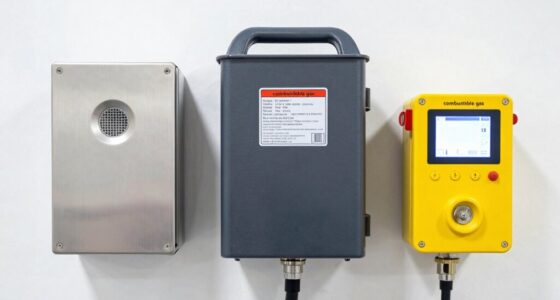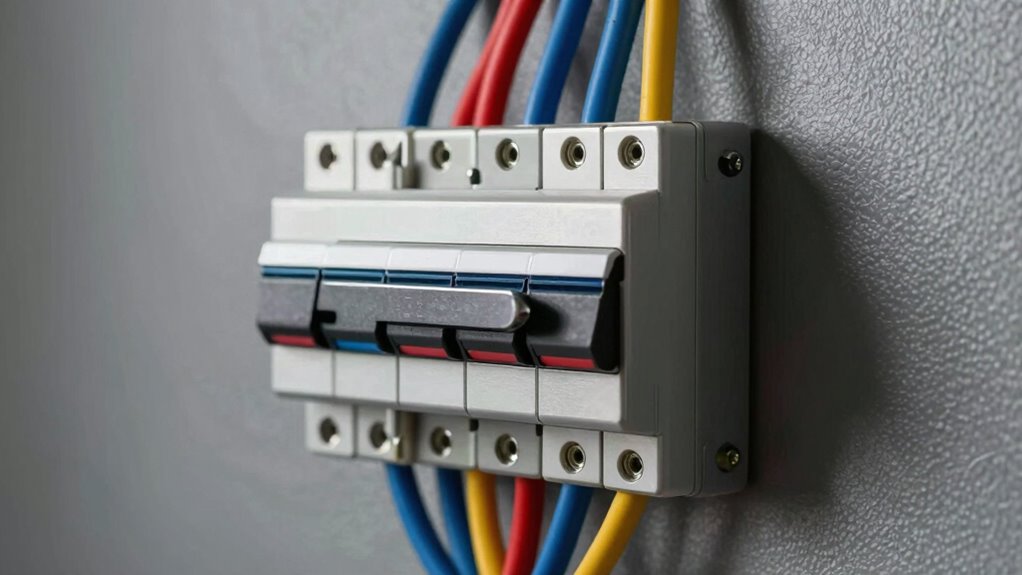

A transfer switch is a vital part of your backup power system that many overlook, but it’s necessary for safe switching between utility power and your generator. It prevents dangerous back-feed, protects your appliances, and keeps your home safe during outages. Proper installation and compatibility matter, so understanding its role helps guarantee reliable and secure power transfer. Keep exploring to discover how this important device keeps your home safe and functioning smoothly during emergencies.

Get oils, diffusers and self-care delivered free with Prime
- Fast, free delivery on millions of items
- Prime Video, Amazon Music and more included
- Member-only deals all year
Key Takeaways
- Transfer switches safely connect a generator to your home’s electrical system, preventing back-feeding into the utility line.
- Many people overlook the importance of proper installation to ensure safety and system reliability.
- Compatibility with specific generator types is crucial; not all switches work with every generator.
- Properly installed transfer switches isolate your home from the grid during generator use, protecting utility workers.
- Regular maintenance and understanding of the switch’s role enhance backup power safety and system longevity.
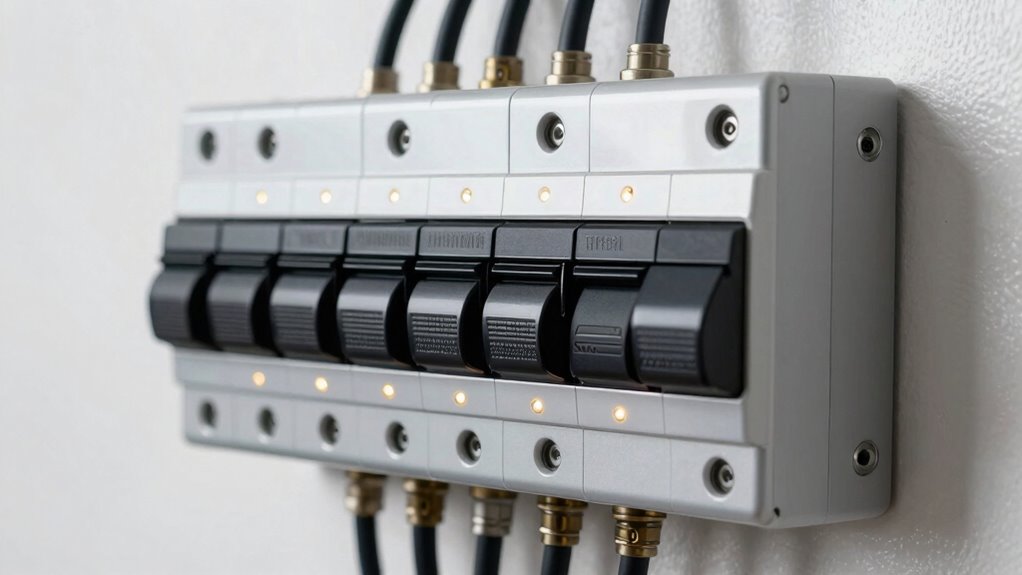
A transfer switch is an essential device that guarantees your home or business can safely switch between utility power and a backup generator. Without it, connecting a generator directly to your electrical system can be dangerous, risking damage to appliances and even electrocution. One of the key aspects to regard when choosing a transfer switch is generator compatibility. Not all switches work with every generator, so you need to verify the switch you select matches the power output and type of your generator. Some transfer switches are designed specifically for portable units, while others are made for whole-home standby generators. Matching the switch to your generator’s specifications ensures a seamless changeover when power goes out and helps prevent overloads or electrical faults. Ensuring compatibility also involves understanding the generator type, which affects the choice of transfer switch and overall system performance. Proper selection of the transfer switch can improve the reliability and safety of your backup power setup. Installation safety is another critical factor. Installing a transfer switch isn’t a DIY project for most homeowners; it requires a thorough understanding of electrical systems and local codes. Improper installation can lead to dangerous back-feeding, where power from your generator feeds back into the utility lines, risking harm to utility workers and neighbors. That’s why professional installation is highly recommended. Certified electricians know how to connect the transfer switch correctly, ensuring it’s grounded properly and that all wiring adheres to safety standards. Properly installed transfer switches also help prevent electrical faults, which can cause outages or damage to your electrical system. Additionally, understanding the installation process can help homeowners better communicate with professionals and ensure the system is set up correctly. A well-installed transfer switch also minimizes the risk of power surges that can damage sensitive electronic devices. When installed correctly, a transfer switch isolates your home or business from the utility grid during generator operation, preventing dangerous feedback and making certain that your generator’s power is directed solely to your electrical circuits.
transfer switch for home backup generator
As an affiliate, we earn on qualifying purchases.
As an affiliate, we earn on qualifying purchases.
Frequently Asked Questions
How Long Does Installation of a Transfer Switch Typically Take?
The installation of a transfer switch typically takes about 4 to 8 hours, depending on your home’s setup. With a professional, the process is usually quicker and more efficient, ensuring safety and code compliance. DIY installation can take longer, often requiring a full day or more, especially if you’re unfamiliar with electrical work. Overall, the timeline varies based on experience, complexity, and the specific transfer switch model.
Are Transfer Switches Compatible With All Generator Brands?
Transfer switches are generally compatible with most generator brands, but you should check generator compatibility to guarantee proper operation. Not all transfer switches work seamlessly with every brand, so look for models that support brand synchronization or specify compatibility with your generator. Always verify the specifications before purchasing or installing a transfer switch to guarantee smooth integration and reliable backup power during outages.
What Are the Costs Associated With Different Types of Transfer Switches?
Think of transfer switches as the gears in your backup power system: different types cost differently. Manual switches are like economy cars—more affordable, usually $150 to $300. Automatic transfer switches are luxury sedans, ranging from $300 to over $1,000, plus installation costs. Your budget considerations shape your choice, balancing upfront expense with long-term convenience and reliability. Always compare costs, and choose the switch that best fits your power needs and budget.
Can Transfer Switches Be Installed Outdoors?
Yes, transfer switches can be installed outdoors. For outdoor installation, you need a weatherproof housing to protect the switch from elements like rain, snow, and dirt. Make certain the transfer switch is rated for outdoor use and installed in a location with proper ventilation. Using a weatherproof enclosure helps maintain safety and functionality, making outdoor installation a viable option when these precautions are taken.
What Maintenance Is Required for Transfer Switches?
You need to follow a regular maintenance schedule and perform troubleshooting procedures to keep your transfer switch reliable. Check connections, clean contacts, and inspect for corrosion at least once a year. Test the transfer switch periodically to guarantee it operates correctly. Troubleshooting procedures involve examining control circuits, verifying power supply, and addressing any signs of wear or damage promptly. Regular maintenance and troubleshooting keep your backup power system functioning smoothly when you need it most.
Conclusion
Think of a transfer switch as the steady heartbeat of your backup power system, guiding energy safely from the grid to your home when darkness falls. It’s the quiet guardian, the gatekeeper standing vigilant at the threshold, ensuring your power flows smoothly and safely. When the lights go out, it’s the symbol of readiness and protection, turning chaos into calm. Embrace this silent sentinel — your home’s unwavering promise of power, no matter what.
Halloween Picks
halloween
As an affiliate, we earn on qualifying purchases.