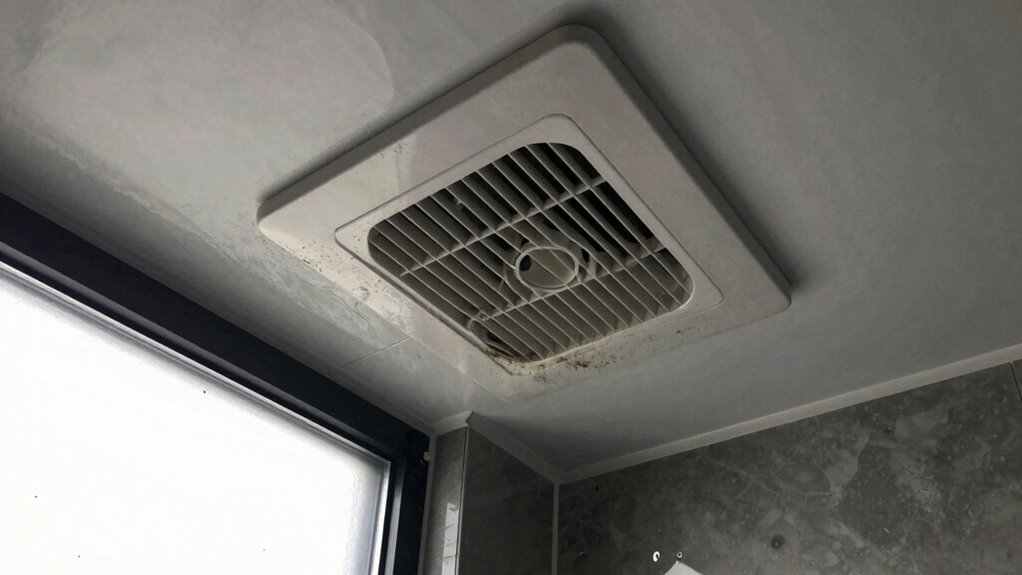
Proper bathroom ventilation is vital for your safety because it helps prevent excess moisture, which can lead to mold growth and damage your home’s structure. It also reduces humidity that can cause electrical systems to malfunction or short-circuit, creating fire hazards. Additionally, good airflow limits airborne pollutants and chemical fumes, protecting your health. By keeping surfaces dry and reducing mold risks, proper ventilation helps you maintain a safer, healthier environment—if you continue exploring, you’ll discover even more ways to stay safe.

Get oils, diffusers and self-care delivered free — and shop member deals
- Fast, free delivery on millions of items
- Access to Prime Big Deal Days deals on October 6–7
- Prime Video, Amazon Music and more included
Key Takeaways
- Proper ventilation prevents excess moisture, reducing mold growth that can compromise structural integrity and indoor air quality.
- Ventilation reduces humidity that can cause electrical components to malfunction or short-circuit, preventing fire hazards.
- Good airflow helps eliminate chemical pollutants and VOCs from bathroom products, supporting healthier indoor environments.
- Ventilation keeps surfaces dry, reducing slip-and-fall risks and preventing damage to flooring and fixtures.
- Overall, effective bathroom ventilation minimizes health risks and safeguards against electrical, structural, and mold-related hazards.
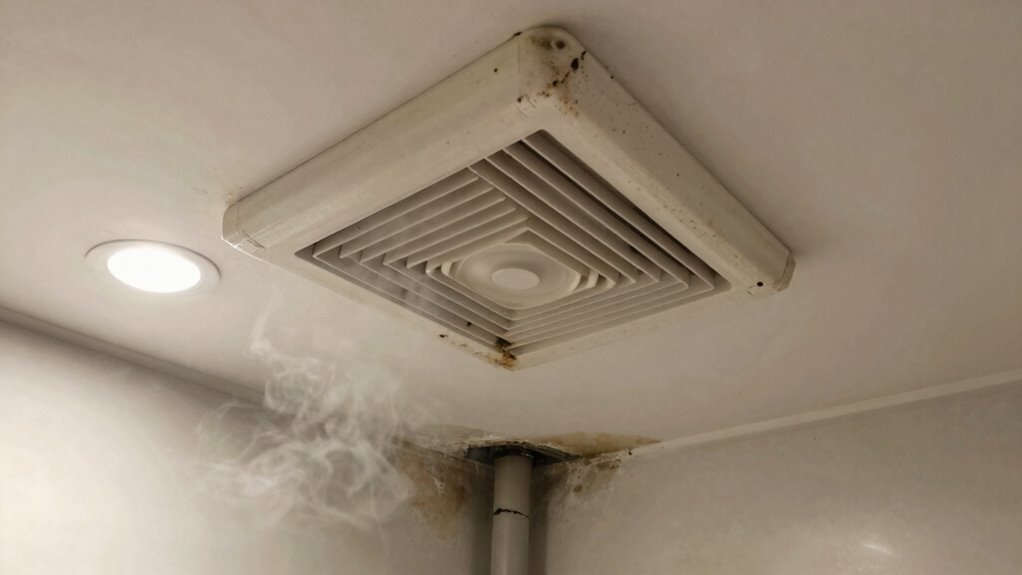
Proper bathroom ventilation is indispensable for maintaining a safe and healthy environment, especially since moisture and humidity can lead to mold growth and structural damage. When your bathroom isn’t properly ventilated, excess moisture lingers, creating the perfect environment for mold to thrive. Mold not only damages walls, ceilings, and fixtures, but it also releases spores into the air, which can negatively impact your indoor air quality. Poor air quality isn’t just an inconvenience; it can cause respiratory issues, allergies, and other health problems over time. That’s why ensuring effective ventilation isn’t just about comfort—it’s a critical safety measure.
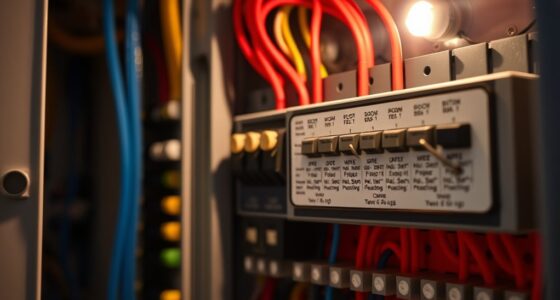
You might not realize it, but insufficient ventilation can also pose fire hazards. Electrical components like exhaust fans, light fixtures, and switches are often located in bathrooms. When moisture builds up, it can cause these electrical parts to malfunction or short-circuit, increasing the risk of electrical fires. Over time, humidity can corrode wiring and connections, making your bathroom a potential safety hazard. Proper ventilation reduces these risks by removing excess moisture and decreasing the likelihood of electrical problems. It keeps electrical systems dry and functional, preventing dangerous situations that could lead to fires or electrical shocks.
Additionally, poor airflow can lead to the buildup of harmful airborne pollutants. Bathroom products such as cleaning agents, aerosols, and even personal care items emit volatile organic compounds (VOCs) that can compromise indoor air quality. Without proper ventilation, these chemicals can accumulate, potentially causing dizziness, headaches, or more serious health issues. Ventilating your bathroom effectively ensures these pollutants don’t linger, protecting your health and that of your household. Good airflow also helps to eliminate unpleasant odors, which, while not inherently dangerous, contribute to an uncomfortable environment. Proper ventilation also supports air quality by reducing the concentration of airborne contaminants in your home. Proper airflow can also prevent the buildup of moisture, which is essential for maintaining a safe and comfortable space. In addition, well-ventilated bathrooms can help prevent the spread of harmful organisms that thrive in damp conditions.
Another safety concern is slip and fall accidents caused by excess water on surfaces. When humidity isn’t properly vented, condensation can make floors wet and slippery. Over time, persistent moisture can also weaken tiles, grout, and flooring materials, increasing the risk of structural failure. By maintaining good ventilation, you help keep surfaces dry and safe, reducing the chance of slips and falls. Proper ventilation also supports biodiversity by preventing the growth of mold and other harmful organisms in your home. Additionally, well-ventilated bathrooms can help prevent the buildup of harmful airborne pollutants, ensuring a healthier environment for everyone. Overall, proper bathroom ventilation is a simple yet essential step that safeguards your health, protects your property, and prevents potential accidents or hazards. Taking the time to install or upgrade your ventilation system pays off in creating a safer, healthier living space.
Frequently Asked Questions
How Often Should Bathroom Ventilation Systems Be Inspected?
You should inspect your bathroom ventilation systems at least once a year. Regular ventilation maintenance guarantees your fan operates efficiently, reducing mold and moisture buildup. Check for dust or debris around the fan, and listen for unusual noises that might indicate a problem. Improving fan efficiency through timely inspections helps prevent safety hazards like mold growth or electrical issues, keeping your bathroom safe and well-ventilated.
Can Poor Ventilation Cause Mold and Health Problems?
A stitch in time saves nine, so addressing poor ventilation is essential. Yes, poor ventilation can cause mold and health problems by compromising air quality and impairing moisture control. When moisture isn’t properly vented, it creates a damp environment that fosters mold growth, which can trigger allergies, asthma, or other respiratory issues. Ensuring your bathroom has good ventilation helps maintain healthy air quality and effective moisture control, protecting your health and home.
Are Energy-Efficient Fans Less Safe Than Traditional Ones?
Energy-efficient fans aren’t necessarily less safe than traditional ones. They often consume less energy, reducing your overall energy consumption and lowering utility bills. However, some energy-efficient models might produce higher noise levels, which could be a concern if you prefer quieter operation. As long as you choose a reputable brand and guarantee proper installation, these fans provide safe ventilation without compromising safety, while also being eco-friendly.
What Are the Signs of a Faulty Bathroom Exhaust System?
Ever feel like your bathroom’s ventilation system is whispering secrets you shouldn’t ignore? Signs of a faulty exhaust include unusual ventilation noise, which hints at mechanical issues, and improper fan placement causing poor airflow. If your fan struggles to clear humidity or makes strange sounds, it’s time to examine its condition. Address these signs promptly to prevent mold growth and ensure your safety—good ventilation is more than comfort; it’s protection.
Is It Safe to Install a Ventilation Fan Myself?
You can try DIY installation of a ventilation fan if you’re comfortable with basic electrical work, but it’s vital to prioritize electrical safety. Make certain to turn off power at the breaker before starting, follow the manufacturer’s instructions carefully, and use proper tools. If you’re unsure about wiring or venting, it’s safer to hire a professional. Proper installation guarantees effective ventilation and reduces fire or electrical hazards.
Conclusion
Just like Icarus needed to heed the sun’s warning, you should never overlook bathroom ventilation. Proper airflow isn’t just about comfort; it’s about safety—preventing mold, reducing fire risks, and avoiding harmful fumes. Think of your bathroom as a castle’s keep; good ventilation is your shield against unseen dangers. When you prioritize this, you’re safeguarding your home and health, proving that even in small spaces, vigilance keeps you soaring safely, just like a well-guarded myth.
Fall Picks
fall essentials
As an affiliate, we earn on qualifying purchases.