When false alarms become frequent, you start ignoring your smoke detectors, a problem called smoke alarm fatigue. This makes you less likely to respond quickly during an actual fire, increasing the risk of injury or property damage. Neglecting maintenance or dismissing alarms can be dangerous. To keep your home safe, it’s important to understand how false alarms impact your reactions. Keep going to find out how to prevent this and stay protected.

Get oils, diffusers and self-care delivered free with Prime
- Fast, free delivery on millions of items
- Prime Video, Amazon Music and more included
- Member-only deals all year
Key Takeaways
- False alarms cause residents to ignore or dismiss genuine smoke alerts, delaying critical responses.
- Frequent false alarms lead to alarm fatigue, reducing overall vigilance and safety awareness.
- Habituation from repeated false signals increases the risk of missing real fire emergencies.
- Dismissing alarms due to false triggers can result in delayed evacuation and increased danger.
- Poor maintenance and placement contribute to false alarms, undermining the reliability of smoke detection.
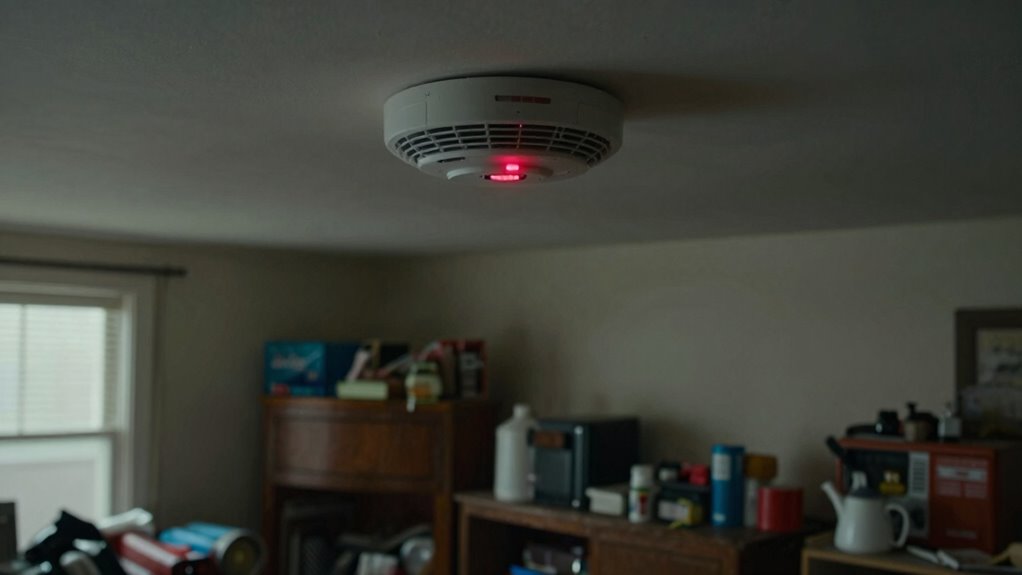
You might not realize it, but frequent false alarms can lead to what’s known as smoke alarm fatigue, where your response to the alarms diminishes over time. When your smoke detector goes off repeatedly without any real danger, you start to tune it out, ignoring the persistent beeping or false warning signals. This reaction isn’t just convenient; it’s hazardous. Over time, you might dismiss genuine alerts, putting your home and loved ones at risk.
One common cause of false alarms is a neglected battery. If you forget to perform regular battery replacement, your smoke alarm could malfunction and trigger false alarms. Low or dead batteries often cause the detector to chirp or beep intermittently, which many people mistake for a real fire warning. When these false alarms happen frequently, you might begin to ignore the sounds altogether, assuming they’re just battery issues or glitches. But ignoring these signals can be catastrophic if a real emergency occurs. Making sure you replace batteries promptly and regularly is a simple yet critical step to keep your smoke alarm functioning properly and reduce unnecessary false alarms.
False alarms aren’t just a nuisance—they actively weaken your response to real threats. When you’re repeatedly awakened by a false alarm, your instinct becomes to dismiss it, especially if it happens at night or during busy mornings. This habituation means you might sleep through a genuine fire or smoke situation or delay your reaction, risking injury or damage. The more often false alarms occur, the more your brain associates the sound with a non-emergency. Over time, you develop a kind of mental immunity to the warning, which can seriously compromise your safety. Regular maintenance and understanding of fire safety devices can help prevent this issue. Additionally, staying informed about smoke alarm technology can help you choose devices with advanced sensors that are less prone to false alarms. Being aware of proper installation techniques is also crucial, as incorrect placement can contribute to false alarms. Proper placement and sensor sensitivity settings are key factors in minimizing false alarms and maintaining reliable alerts.
To prevent smoke alarm fatigue, you should regularly check and maintain your detectors. This includes cleaning dust or debris that may cause false alarms and replacing batteries when needed. Modern smoke alarms often have long-life batteries, but even these require periodic checks to ensure they’re working correctly. Additionally, if your device is old or malfunctioning, consider replacing it altogether. Installing newer models with advanced sensors can help reduce false alarms and improve overall safety. When you keep your smoke alarms in top condition, you’re more likely to respond appropriately when an actual fire occurs, rather than dismissing the warning as false.
In the end, vigilance is key. Don’t let false alarms diminish your instinct to act in emergencies. Regularly replacing batteries, maintaining your detectors, and upgrading when necessary keeps your home safer and ensures that when it counts, you’ll respond quickly and correctly.
As an affiliate, we earn on qualifying purchases.
Frequently Asked Questions
How Often Should Smoke Alarms Be Replaced to Prevent Fatigue?
You should replace your smoke alarms every 8 to 10 years to prevent fatigue and guarantee they function properly. Regular battery maintenance is essential—change batteries at least once a year, or when the alarm chirps. Test your alarms monthly to confirm they’re working correctly. By doing this, you keep your home safe, reduce the risk of alarm failure, and stay ahead of potential fatigue caused by aging or worn-out devices.
Can Different Types of Alarms Reduce Fatigue Risk?
Think of different alarms as a symphony, each with unique sensor sensitivity and alarm integration, that keeps you alert without overwhelming your senses. By choosing alarms with varying sounds and interconnected systems, you create a layered defense, reducing fatigue and keeping you safer. This variety guarantees alerts stand out, preventing complacency and ensuring you respond swiftly when danger strikes. Your home’s safety becomes a harmonious dance of technology and vigilance.
Does Alarm Placement Affect Fatigue and Alertness?
Yes, alarm placement greatly affects fatigue and alertness. Proper alarm placement guarantees you’re promptly awakened and alerted in emergencies, reducing fatigue by preventing false alarms from frequent, unnecessary triggers. Strategic placement, such as near sleeping areas and away from kitchens or bathrooms, helps with fatigue mitigation, keeping alarms effective and reducing desensitization. When alarms are correctly positioned, you’re more likely to respond quickly, improving overall home safety.
Are There Signs Indicating a Smoke Alarm Is Failing?
If your smoke alarm chirps unexpectedly, it’s a sign it’s failing, often due to low battery life. For example, a homeowner ignored the chirping for days, thinking it was a false alarm, but it was actually warning of impending failure. Regular alarm maintenance, including testing and replacing batteries annually, helps prevent this. Look for dimming lights or false alarms, which also indicate your smoke alarm might need repairs.
How Does Age Impact Smoke Alarm Effectiveness?
As your smoke alarm ages, its sensor sensitivity decreases, making it less responsive during emergencies. The battery lifespan also shortens over time, increasing the risk of failure if not replaced regularly. You should test your alarm monthly and replace batteries at least once a year. For alarms over ten years old, consider upgrading to newer models with advanced sensors and longer-lasting batteries to guarantee your home stays safe.
Conclusion
As you silence that persistent alarm, remember it’s more than just noise—it’s a warning for your safety. Ignoring or dismissing these calls can be like turning a blind eye to a flickering light in the darkness, risking unseen dangers. Stay vigilant, respond promptly, and cherish the quiet moments of peace that come from knowing your home is truly protected. Let the alarm be a symbol of your commitment to safety, not just an irritating sound.
Halloween Picks
halloween
As an affiliate, we earn on qualifying purchases.