
Overloaded outlets often seem fine initially because they don’t show obvious signs of danger, like sparks or burns. Inside, heat can build up silently, weakening components without visible damage. Over time, this hidden stress can cause loose connections or fires, even if the outlet looks normal. It’s easy to overlook these signs, but understanding the risks can help you stay safe. Keep going to discover more about how to protect yourself from unseen dangers.

Get oils, diffusers and self-care delivered free with Prime
- Fast, free delivery on millions of items
- Prime Video, Amazon Music and more included
- Member-only deals all year
Key Takeaways
- Overloaded outlets often appear normal initially, lacking visible sparks, scorch marks, or warmth.
- Internal damage from overloading can occur without external signs, making early detection difficult.
- Heat buildup inside the outlet may not produce immediate visible cues but still poses fire risks.
- External indicators like discoloration or warmth develop gradually, not instantly after overloading.
- Regular inspections are essential, as internal faults may remain hidden without obvious external damage.

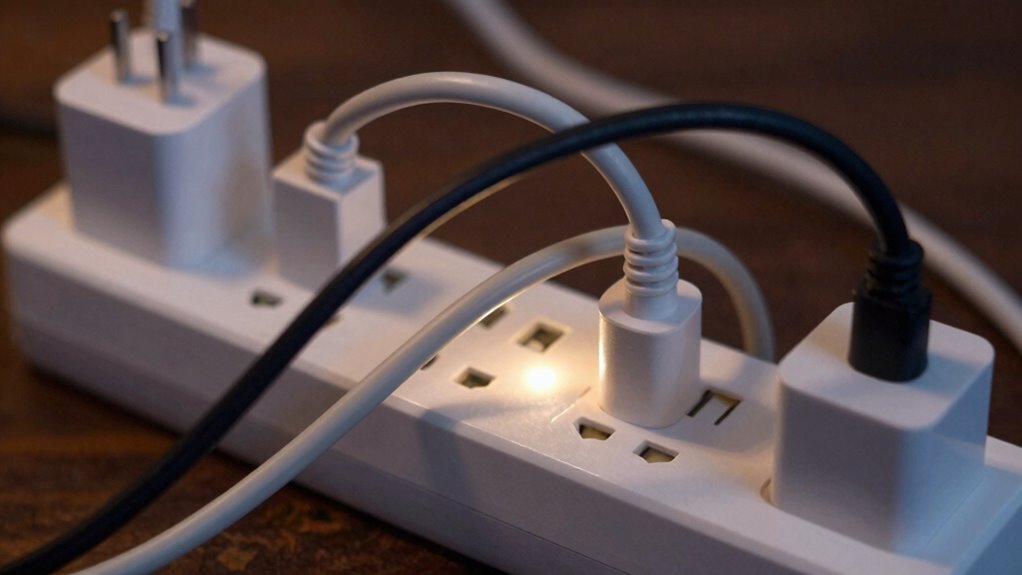
Overloading electrical outlets might seem harmless, but it poses serious safety risks that you shouldn’t ignore. At first glance, an overloaded outlet often appears normal—no sparks, no burning smell, and no obvious signs of danger. That’s why many people underestimate the potential hazards. However, understanding the importance of electrical safety and proper outlet maintenance is vital to prevent accidents. The truth is, just because an outlet looks fine doesn’t mean it’s safe. Overloading can cause overheating, which weakens the outlet’s internal components and increases the risk of electrical fires. The heat buildup often occurs silently, making it easy to overlook until damage is done.
Overloaded outlets may seem safe but silently risk overheating and fires—regular inspection is essential for electrical safety.
You might think that plugging in multiple devices is harmless if nothing seems wrong. But every additional device adds to the load, and many outlets aren’t designed to handle such stress. Over time, this stress can degrade the wiring or the outlet itself, leading to loose connections or short circuits. These issues don’t always manifest with visible signs, making regular outlet maintenance essential. You should routinely check for signs like discoloration, scorch marks, or a warm sensation when touching the outlet. If you notice any of these, it’s a sign that the outlet might be compromised and needs professional inspection. Ignoring these warning signs could result in more serious problems down the line, especially since internal damage might not be immediately visible but can be extremely hazardous. Regular electrical inspections can help identify hidden issues early before they become dangerous. Additionally, improper maintenance can lead to hidden dangers that are difficult to detect without proper evaluation.
Electrical safety isn’t just about avoiding visible hazards; it’s about understanding how to prevent unseen dangers. Overloading outlets is often a result of poor outlet maintenance or a lack of awareness about their limitations. To keep your home safe, avoid plugging too many high-wattage devices into a single outlet. Use power strips with built-in circuit breakers if you need to connect multiple devices, but don’t rely on them as permanent solutions. Remember, outlets are designed to handle specific loads, and exceeding this capacity puts your home at risk. Regularly inspecting your outlets, especially in high-use areas like the kitchen or living room, helps you spot potential issues early. Additionally, overloaded outlets can cause internal damage that might not be immediately visible but could lead to dangerous failures later. Being proactive about electrical safety can help you avoid costly repairs or hazardous situations. Staying informed about your electrical system’s capacity and limitations is a crucial part of maintaining a safe home environment.
In short, an overloaded outlet might not scream danger at first glance, but it silently threatens electrical safety. Proper outlet maintenance and awareness of your devices’ power demands are key to preventing accidents. Don’t wait for visible damage or an emergency to take action—stay vigilant, respect the limits of your electrical system, and ensure your outlets are functioning safely. When in doubt, consulting a professional electrician can help you assess your home’s electrical safety and prevent hazardous situations before they escalate.
Frequently Asked Questions
Can Overloaded Outlets Cause Electrical Fires Over Time?
Overloaded outlets can cause electrical fires over time if the electrical wiring isn’t properly maintained or if circuit breakers don’t trip when needed. When you plug in too many devices, the excess current strains the wiring, increasing risk. If circuit breakers function correctly, they cut off power to prevent fires. However, outdated or faulty circuit breakers might not trip, making it essential to avoid overloading outlets and regularly check your electrical system.
What Signs Indicate an Outlet Is Dangerously Overloaded?
Signs that an outlet is dangerously overloaded include sparks, sizzling sounds, or scorched sockets, signaling serious stress. You might notice flickering lights or frequent breaker trips, indicating electrical load management issues. Pay attention to warm or hot outlets, which suggest overheating. Regular outlet maintenance helps prevent overload hazards, ensuring safe, smooth-sailing power flow. Recognizing these warning signs helps you avoid potential electrical disasters before they escalate.
Are There Safety Devices to Prevent Overloads?
Yes, safety devices like circuit breakers and fuses help prevent overloads by shutting off power when too much current flows through an outlet. Regular outlet maintenance, including checking for signs of wear and ensuring proper wiring, also reduces overload risks. These measures protect your home, preventing electrical fires and damage. Always stay vigilant, and consider installing surge protectors or upgraded circuit protection systems for added safety.
How Often Should Outlets Be Inspected for Overloads?
You should inspect your outlets regularly, about once every six months, to guarantee safe outlet maintenance. While an outlet might not look dangerous initially, overloading can strain circuit capacity and cause hazards. Check for signs like warm outlets or buzzing sounds. By staying vigilant and understanding circuit capacity, you prevent potential overloads. Regular inspections help catch issues early, keeping your home safe and electrical systems functioning properly.
Do All Overloaded Outlets Look Visibly Damaged?
Not all overloaded outlets look visibly damaged, as outlet aesthetics can be deceiving. Sometimes, they appear normal, but internal components may be compromised, risking electrical hazards. Consumer awareness is key—you should regularly inspect outlets for signs like scorch marks or melting. Just because they look fine doesn’t mean they’re safe. Always prioritize safety by having a professional check outlets if you suspect overloads, regardless of their appearance.
Conclusion
Did you know that nearly 40% of electrical fires start from overloaded outlets? Even if an outlet looks fine, it might be secretly dangerous. Always check for signs like flickering lights or a burning smell, and avoid plugging in too many devices. Your safety depends on staying vigilant. Don’t wait for visible damage—prevent potential hazards before they happen. Keep your home safe by understanding that overloaded outlets may not always look dangerous at first glance.
Halloween Picks
halloween
As an affiliate, we earn on qualifying purchases.