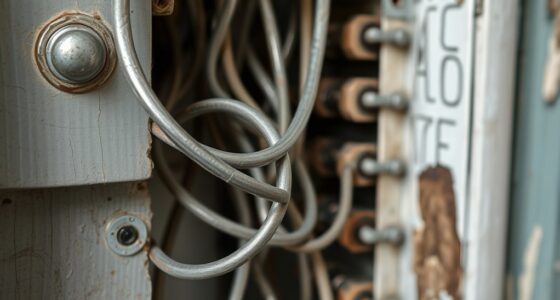
Older homes require more attention to their air and wiring because materials degrade over time, increasing safety risks like fire or shocks. Outdated ventilation can cause poor air quality, leading to health issues from mold, dust, and allergens. Regular inspections and upgrades help prevent costly repairs and improve safety. Staying vigilant keeps your home healthier and safer. Keep exploring to learn how you can effectively improve your home’s air and wiring systems.

Get oils, diffusers and self-care delivered free with Prime
- Fast, free delivery on millions of items
- Prime Video, Amazon Music and more included
- Member-only deals all year
Key Takeaways
- Building materials in older homes degrade over time, increasing safety and hazard risks related to wiring and structural integrity.
- Outdated ventilation systems can lead to poor indoor air quality, mold, and allergen buildup.
- Aging electrical wiring poses fire and shock hazards if not properly inspected and upgraded.
- Regular maintenance helps identify hidden issues like deteriorating wiring and ventilation flaws early.
- Upgrading HVAC and air filtration systems improves air quality and ensures healthier indoor environments.

If you own an older home, paying attention to its air quality and wiring is vital for safety and comfort. Older homes often carry the charm of historic preservation, but that charm can come with hidden risks if you don’t stay vigilant about updates. Over the years, building materials degrade, and systems become outdated, making regular assessments essential to guarantee your home remains a safe haven. When it comes to air quality, many older homes have outdated ventilation systems or may harbor mold, dust, and allergens that can affect your health. Upgrading your HVAC system, installing air purifiers, and ensuring proper ventilation help you breathe easier and improve indoor air quality. These improvements are often simple yet highly effective in creating a healthier living environment. Proper air quality solutions can significantly reduce indoor pollutants and improve overall well-being. Regular maintenance and inspections can also help identify hidden issues before they develop into major problems. Additionally, addressing air filtration can further enhance indoor air cleanliness and comfort. Incorporating air quality testing can also help identify specific pollutants or issues within your home’s environment that need targeted solutions. Moreover, understanding the importance of ventilation and airflow can prevent the buildup of indoor contaminants and ensure a continuous supply of fresh air.
Products Worth Considering

Blueair Blue Pure 511i Max Air Purifier

Levoit Vital 100S-P Air Purifier with Washable Pre-Filter

Levoit Eleva 300X Air Purifier with Sealed HEPA Filtration
As an affiliate, we earn on qualifying purchases.
Frequently Asked Questions
How Often Should Older Homes Have Their Wiring Inspected?
You should have your older home’s wiring inspected at least every 3 to 5 years, especially if it hasn’t had recent electrical upgrades. Regular inspections help identify potential hazards and guarantee your wiring meets current safety standards. Establishing consistent inspection schedules with a licensed electrician can prevent electrical issues and costly repairs down the line, keeping your home safe and up-to-date with the latest electrical codes.
What Are Signs of Outdated Electrical Systems?
You’ll notice signs of outdated electrical systems like frequent circuit breaker trips, flickering lights, or outlets that don’t work properly. You might also see overheating switches, burning smells, or scorch marks around outlets. These electrical hazards increase your fire risk and can lead to dangerous shocks. If you spot any of these signs, it’s essential to have a professional inspect and update your wiring to prevent potential accidents.
Can Old Homes Improve Indoor Air Quality Easily?
Yes, you can improve indoor air quality in old homes easily. Start with HVAC upgrades to enhance airflow and temperature control. Adding air filtration systems helps remove dust, allergens, and pollutants, making the air healthier to breathe. Regular maintenance of these systems guarantees they work efficiently. Implementing these upgrades is a straightforward way to create a cleaner, more comfortable living environment without major remodeling.
Are There Specific Regulations for Updating Older Home’s Wiring?
Think of updating your home’s wiring as rewriting its story. Historical regulations set the foundation, ensuring safety and compatibility, but modern updates are necessary for today’s electrical demands. You must follow local codes and obtain permits, as these regulations guide safe upgrades. By respecting the past while integrating modern standards, you protect your home’s future, ensuring it remains a secure, reliable shelter for years to come.
What Are Common Air Quality Issues in Older Homes?
Older homes often face air quality issues like mold, dust, and poor ventilation. You should prioritize HVAC maintenance to guarantee it runs efficiently and improves air circulation. Upgrading air filtration systems helps remove allergens and pollutants, creating a healthier environment. Regularly cleaning ducts and checking for leaks also reduces indoor air contaminants. Staying proactive with these measures can considerably improve the air quality in your older home.
Conclusion
Don’t let your older home turn into a ticking time bomb. Regularly inspecting and updating your air systems and wiring isn’t just smart—it’s essential to prevent disastrous fires or costly damages. Think of it as giving your house a health check-up; neglect it, and you risk catastrophe. Stay vigilant, stay safe. Your home’s safety depends on your proactive care, so don’t wait for a disaster to strike—give your house the attention it desperately needs before it’s too late.