Ignoring low-level water damage might seem harmless, but it can secretly cause big problems. Small leaks and damp spots can lead to mold growth within days, contaminating your indoor air and risking your health. Water can weaken structural materials and hide behind walls or under floors, making damage hard to spot. Over time, this can lead to costly repairs and compromise your home’s safety. Stay alert—more essential details await if you keep exploring.

Get oils, diffusers and self-care delivered free — and shop member deals
- Fast, free delivery on millions of items
- Access to Prime Big Deal Days deals on October 6–7
- Prime Video, Amazon Music and more included
Key Takeaways
- Low-level water damage often occurs behind walls, making it difficult to detect early.
- Ignoring minor leaks allows moisture to seep into hidden spaces, promoting mold growth.
- Small, unnoticed leaks can weaken structural materials over time, risking major damage.
- Moisture trapped inside walls or floors accelerates hidden mold and bacteria development.
- Early detection prevents costly repairs and health issues caused by prolonged water intrusion.

Even small amounts of water damage can pose serious risks if left untreated, often lurking behind walls or under flooring. When you notice a minor leak or damp spot, it’s tempting to dismiss it as no big deal. But these seemingly harmless signs can quickly develop into much larger problems. One of the most silent threats is mold growth, which begins to thrive in moist environments within 24 to 48 hours. Mold isn’t just unsightly; it can cause health issues, especially for those with allergies or respiratory conditions. The spores can spread rapidly, contaminating your indoor air and creating a hazardous environment that’s difficult to detect until symptoms appear.
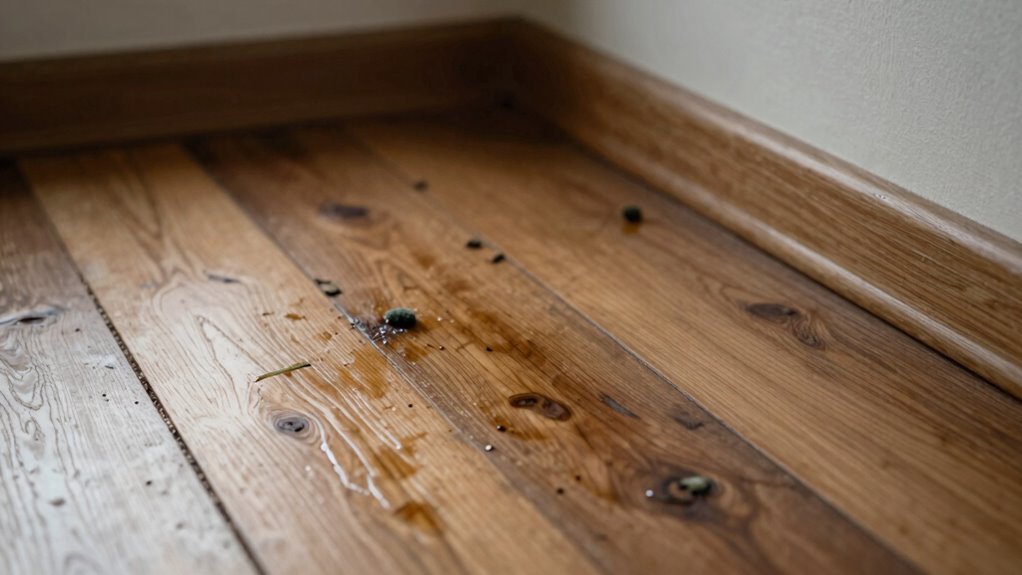
At the same time, water damage can lead to structural weakening. Wood, drywall, and other building materials absorb moisture, which compromises their integrity over time. Walls may become soft or sag, floors can warp or buckle, and ceilings might develop stains or even collapse under the weight of accumulated water. This deterioration often occurs out of sight, making it easy to overlook until it’s severe enough to require costly repairs. The longer you delay addressing water issues, the greater the risk of permanent damage that can threaten the safety of your home. Recognizing early signs of damage, such as hidden moisture, can help homeowners take timely preventative measures.
Ignoring low-level water damage can also cause hidden costs. Even if you don’t see immediate signs of mold or structural issues, the moisture can seep into insulation, wiring, and other concealed spaces. This unseen moisture creates an ideal environment for mold and bacteria to flourish, which can impact indoor air quality and your health. Additionally, persistent dampness can weaken the foundation of your home, leading to cracks, uneven surfaces, or more complex structural repairs down the line. These problems tend to escalate quickly when moisture is allowed to persist. Understanding building materials can help homeowners recognize early signs of damage and take appropriate preventative measures. Incorporating moisture detection devices can further alert you to hidden water, preventing extensive damage before it happens. Being aware of the signs of water intrusion is crucial for early intervention and avoiding costly repairs.
As an affiliate, we earn on qualifying purchases.
Frequently Asked Questions
How Can I Detect Hidden Water Damage Early?
You can detect hidden water damage early by performing leak detection around pipes, appliances, and fixtures. Use a moisture meter to identify elevated moisture levels in walls, floors, or ceilings where water isn’t visible. Regular inspections help catch issues before mold or structural problems develop. By staying vigilant and employing these tools, you prevent costly repairs and mitigate health risks associated with undetected water damage.
What Are the Long-Term Health Effects of Low-Level Water Damage?
Ignoring low-level water damage can lead to long-term health problems, including waterborne illnesses and mold growth. You might not notice symptoms like allergies, respiratory issues, or skin irritations until they worsen. Mold spores can spread quickly in damp environments, causing asthma or other breathing problems. To protect your health, address water leaks promptly, keep areas dry, and consider professional inspections to prevent these hidden risks from escalating.
Can Low-Level Water Damage Affect My Home’s Value?
Yes, low-level water damage can affect your home’s value. When you try to sell, potential buyers might notice signs of damage or ask for inspections, leading to insurance claims or repair costs. This can lower your home’s appeal and bargaining power. Addressing water issues early helps maintain your property’s value, avoiding costly repairs later and ensuring a smoother sale process without surprises that could deter buyers.
Are There Specific Materials More Vulnerable to Hidden Water Damage?
Vulnerable materials and water-sensitive surfaces are more prone to hidden water damage. Materials like drywall, plywood, and particleboard absorb moisture easily, leading to mold and rot if left untreated. Water-sensitive surfaces such as hardwood floors, insulation, and certain paints can develop unseen damage over time. You should regularly inspect these areas, as hidden water damage can compromise your home’s structural integrity and decrease its value if ignored.
How Often Should I Inspect for Unseen Water Damage?
You should inspect for unseen water damage monthly, acting like a vigilant detective uncovering hidden clues. Regular checks are essential for water damage prevention, catching leaks before they escalate. Incorporate these inspections into your maintenance checklist to keep your home safe. Look behind appliances, under sinks, and in basements—areas where water can quietly cause chaos. Staying proactive ensures you catch trouble early, saving you time, money, and stress down the line.
Conclusion
Ignoring low-level water damage might seem harmless, but it can lead to costly problems down the line. Studies show that 60% of mold-related health issues stem from unnoticed water leaks. By catching small issues early, you save yourself from expensive repairs and health risks. Don’t wait until it’s obvious—regular inspections can prevent minor damage from turning into a major headache. Stay vigilant, and protect your home and health before it’s too late.
Fall Picks
fall essentials
As an affiliate, we earn on qualifying purchases.