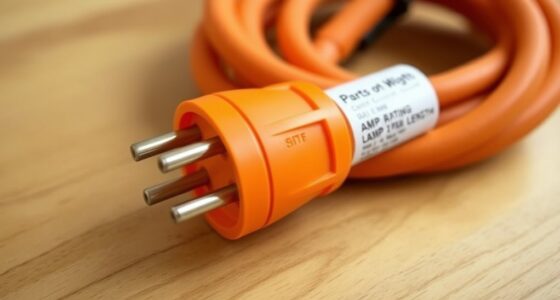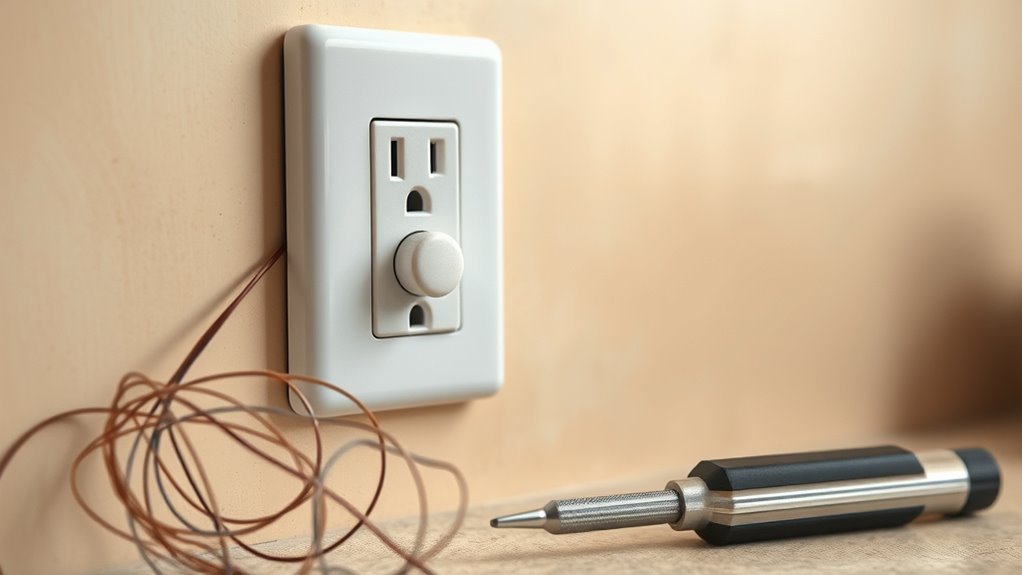

When my GFCI keeps tripping, I first check for ground faults caused by damaged wires or appliances. Overloading the outlet with high-wattage devices can also be the culprit, so I avoid plugging too many into one spot. Moisture or water exposure, especially outdoors, often causes false trips. Sometimes, aging GFCIs or wiring issues are to blame. If you want to uncover more causes and solutions, keep exploring these common issues.

Get oils, diffusers and self-care delivered free — and shop member deals
- Fast, free delivery on millions of items
- Access to Prime Big Deal Days deals on October 6–7
- Prime Video, Amazon Music and more included
Key Takeaways
- Check for ground faults caused by damaged wires or appliances, and disconnect suspect devices to identify the issue.
- Avoid overloading outlets by distributing high-wattage devices across multiple circuits.
- Inspect outdoor GFCIs for moisture or water ingress, and ensure wiring connections are secure and dry.
- Replace aging or malfunctioning GFCIs to prevent false trips caused by internal wear.
- Have a licensed electrician evaluate wiring issues or persistent trips, especially in outdoor or damp environments.
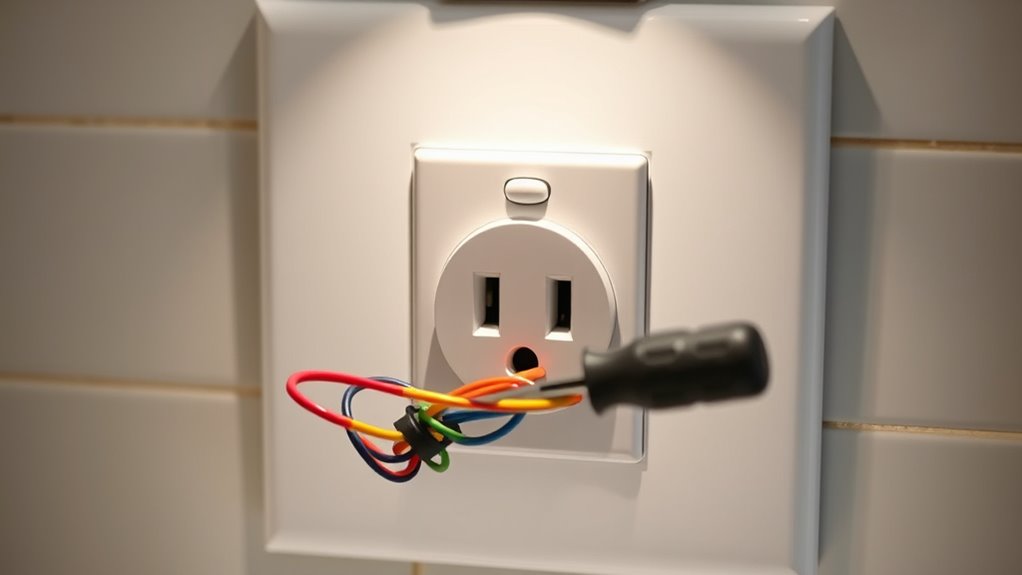
Have you ever experienced your GFCI outlet tripping repeatedly, leaving you frustrated and unsure of what’s wrong? It’s a common issue, and understanding the root causes can help you fix it quickly. One of the primary reasons a GFCI keeps tripping is the presence of a ground fault. A ground fault occurs when electricity finds an unintended path to the ground, often through a damaged wire or appliance. When this happens, the GFCI detects the imbalance between the hot and neutral wires and trips to prevent electric shock or fire. If you notice your GFCI trips whenever you plug in a specific device, that device could have a ground fault. It might be damaged or faulty, so disconnect it and test the outlet again. If the GFCI stops tripping, the problem likely lies with that appliance.
Another frequent cause is electrical overload. GFCIs are designed to protect against ground faults, but they can also trip if too many devices draw power through the outlet simultaneously. For example, running multiple high-wattage appliances on a single GFCI circuit can overload it, causing it to trip as a safety measure. Overloading not only trips the GFCI but also risks overheating wires or damaging connected devices. To prevent this, avoid daisy-chaining devices or plugging in multiple high-power appliances into the same outlet. Instead, distribute the load across different circuits or outlets to reduce the chance of overload.
Electrical overload from multiple high-wattage devices can cause GFCI outlets to trip.
Sometimes, the problem is caused by wiring issues or moisture. Loose connections, damaged wires, or water ingress can create conditions that mimic ground faults, leading to frequent trips. For instance, if an outdoor GFCI outlet gets wet or damp, it may trip repeatedly because the moisture creates a conductive path to ground. Similarly, poor wiring connections within the outlet or the circuit can cause false trips. It’s essential to inspect the wiring carefully or have a qualified electrician check if you suspect wiring problems. Additionally, some Water Parks in certain locations may have outdoor electrical outlets that are exposed to weather, increasing the risk of moisture-related trips.
Lastly, age and wear can also cause GFCIs to trip more often. Over time, internal components degrade, making the device more sensitive or prone to false trips. If your GFCI is old or has experienced frequent trips, replacing it might be the best solution. Regular maintenance and prompt replacement of faulty outlets can keep your electrical system safe and reliable. Remember, dealing with electrical issues can be dangerous, so if you’re unsure about diagnosis or repairs, consulting a licensed electrician is always the safest choice.
As an affiliate, we earn on qualifying purchases.
Frequently Asked Questions
Can a GFCI Trip From High Humidity or Moisture?
Yes, high humidity or moisture can cause a GFCI to trip. Humidity effects increase the likelihood of moisture impact on the outlet’s internal components, leading to false trips or actual electrical issues. When moisture accumulates, it can create unintended paths for current, triggering the GFCI’s safety mechanism. To prevent this, keep outdoor or damp areas well-ventilated and ensure the GFCI is properly installed and protected from excessive moisture.
How Long Does a GFCI Typically Last Before Needing Replacement?
A GFCI typically lasts about 10 to 15 years, but signs of failure include frequent tripping or a persistent inability to reset. I once replaced a GFCI after a decade because it kept tripping unexpectedly, indicating its lifespan was up. Regular testing helps catch issues early. If your GFCI shows signs of failure, it’s safest to replace it promptly to prevent electrical hazards.
Are There Specific Appliances That Cause More GFCI Trips?
Certain appliances, like hair dryers or toasters, tend to cause more GFCI trips due to appliance overloads and water exposure risks. These devices often draw higher currents or come into contact with moisture, which can trip the GFCI as a safety measure. If your GFCI trips frequently when using specific appliances, check for water exposure and avoid overloading circuits. Proper maintenance helps prevent unnecessary trips and keeps your home safe.
Can a GFCI Trip Due to Outdated Wiring?
Yes, a GFCI can trip due to outdated wiring. Old or degraded wiring in your electrical panel can cause ground faults or circuit overloads, which make the GFCI trip to prevent hazards. When wiring is outdated, insulation may crack or corrode, increasing the risk of electrical leaks. Regular inspections of your electrical panel and wiring can help identify issues early, reducing unnecessary GFCI trips and ensuring safety.
Is It Safe to Reset a GFCI Multiple Times?
I’d say it’s generally safe to reset a GFCI multiple times, but caution is key. For example, if you notice frequent trips during ground fault testing or circuit overload, it’s a sign something’s wrong. Repeated resets may hide underlying issues like wiring problems or faulty devices. If it keeps tripping, I recommend consulting an electrician, because safety always comes first, especially when dealing with electrical faults.
Conclusion
If your GFCI keeps tripping, don’t let frustration short-circuit your day. Think of it as your home’s vigilant guardian, constantly on alert to protect you. Sometimes, it just needs a little reset or a quick fix. By understanding the common causes, you can tame the tripping troublemaker and restore peace to your electrical sanctuary. Remember, a little troubleshooting can keep your home safe and your mind at ease—so don’t shy away from giving it a go!
Fall Picks
fall essentials
As an affiliate, we earn on qualifying purchases.