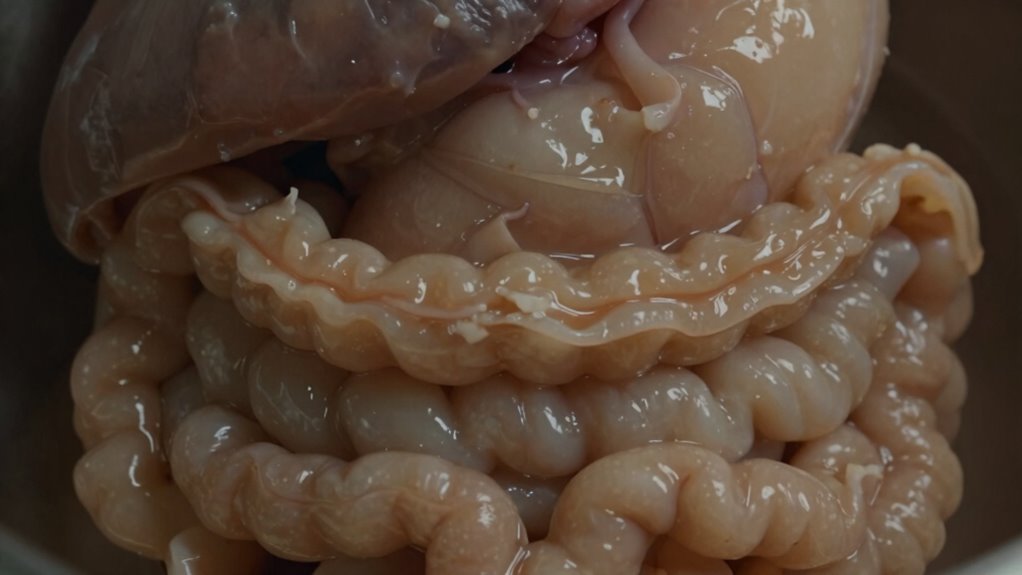

If your digestion is slow, you might feel bloated, with a tight, swollen belly that makes your waistband feel extra snug. You could also experience persistent fullness, gas, and discomfort that worsens after eating greasy or processed foods. Physically, you might feel sluggish or tired, especially after meals, and find it harder to stay active. These uncomfortable sensations can also cause mental fog or irritability. Keep going to discover how to ease these symptoms and support your digestion.

Get oils, diffusers and self-care delivered free with Prime
- Fast, free delivery on millions of items
- Prime Video, Amazon Music and more included
- Member-only deals all year
Key Takeaways
- You may feel bloated, swollen, or uncomfortably full even without overeating.
- Post-meal fatigue and sluggishness often accompany slow digestion.
- Excess gas causes frequent burping, passing gas, and abdominal discomfort.
- Persistent fullness and discomfort can lead to irritability and difficulty concentrating.
- Overall energy levels drop, making physical activity and mental focus more challenging.

Have you ever felt sluggish or uncomfortable after eating, wondering why your digestion seems to drag on? That lingering heaviness is often a sign of slow digestion, and it manifests in ways you might not immediately recognize. One of the most common feelings is bloating discomfort — a tight, swollen feeling in your stomach that makes your abdomen look swollen or distended. You might notice that your waistband feels tighter, or your stomach feels unusually full without having eaten a large meal. This sensation can be quite persistent, lingering for hours and sometimes worsening after meals. Alongside bloating, you might also experience fatigue sensations that seem unrelated to your activity level. Instead of feeling energized after eating, you feel drained, sluggish, or even a bit sleepy, as if your body is working overtime just to process what you’ve consumed.
Feeling bloated and sluggish after meals? Your digestion might be slowing down, causing discomfort and fatigue.
When digestion slows down, it affects how quickly food moves through your gastrointestinal tract. This sluggish pace can cause food to ferment in your stomach and intestines, leading to the production of gas. That gas causes bloating discomfort, which can be quite uncomfortable and sometimes painful. You might find yourself burping frequently or passing gas more than usual, trying to relieve the pressure. The discomfort often worsens after meals, especially if you’ve eaten foods that are harder to digest, like greasy or processed foods. The sensation of fullness isn’t just physical — it can also be mentally draining, making you feel irritable or distracted throughout the day. Recognizing these signs can also help you identify underlying issues like digestive sluggishness, which might benefit from dietary or lifestyle adjustments. Developing an awareness of digestive health can empower you to make better choices for your well-being. Additionally, understanding the role of gut motility can help you implement strategies to promote a more efficient digestive process. Regularly incorporating fiber-rich foods can also support healthy digestion and prevent sluggishness. A balanced diet and mindful eating habits play a crucial role in maintaining optimal digestive function.
The fatigue sensations that accompany slow digestion are equally frustrating. Instead of feeling satisfied or energized after a meal, you might feel a wave of tiredness wash over you. Your body is diverting energy to digest, which can leave you feeling drained and less capable of focusing on tasks. This tiredness isn’t just a mental state; it’s a physical response to your digestive system working overtime, often combined with discomfort or bloating that makes you want to rest rather than be active.
In essence, when digestion slows, your body signals it through these uncomfortable sensations: bloating discomfort, a feeling of fullness that lingers, and fatigue sensations that sap your energy. Recognizing these signs can help you better understand what’s happening inside your body, prompting you to consider dietary adjustments, hydration, or lifestyle changes to support healthier digestion. Knowing the feels of slow digestion means you’re more equipped to take action before discomfort worsens.
digestive enzyme supplements for bloating
As an affiliate, we earn on qualifying purchases.
As an affiliate, we earn on qualifying purchases.
Frequently Asked Questions
Can Slow Digestion Cause Weight Gain?
Yes, slow digestion can cause weight gain by leading to a metabolic slowdown, which reduces the calories your body burns. You might also experience digestive discomfort, bloating, and feeling full longer, which can discourage physical activity. When digestion slows, it’s easier to store excess calories as fat. To counteract this, focus on eating fiber-rich foods, staying active, and managing stress to promote better digestion and maintain a healthy metabolism.
How Long Does Slow Digestion Typically Last?
Slow digestion can last from a few hours to several days, depending on the cause, your diet, and overall health. During this time, you might experience digestive discomfort, bloating, or irregularity. You also notice your body struggling with nutrient absorption, which can lead to fatigue or nutrient deficiencies. To manage this, focus on balanced eating, stay hydrated, and consult a healthcare professional if symptoms persist.
Is Slow Digestion Linked to Specific Foods?
Slow digestion can be linked to specific foods, especially those low in fiber or causing food sensitivities. If you consume processed foods or have intolerances, your digestion slows down because your body struggles to break down certain ingredients. Increasing your fiber intake from fruits, vegetables, and whole grains can help improve digestion. Also, paying attention to food sensitivities and avoiding problematic foods may reduce slow digestion symptoms.
Can Stress Worsen Slow Digestion Symptoms?
Yes, stress triggers can definitely worsen slow digestion symptoms. When you’re stressed, your body releases hormones that slow down digestion, leading to more digestive discomfort. Stress not only affects how quickly food moves through your system but also increases bloating, gas, and cramps. You notice these issues more when you’re anxious or overwhelmed. Managing stress through relaxation techniques can help improve digestion and reduce those frustrating symptoms.
When Should I See a Doctor About Slow Digestion?
You should see a doctor if your slow digestion persists despite making dietary triggers adjustments and lifestyle changes. If you experience severe pain, unexplained weight loss, vomiting, or blood in your stool, seek medical advice promptly. Persistent symptoms may indicate underlying issues that require professional assessment and treatment. Don’t ignore ongoing problems—early intervention can improve your digestive health and prevent complications.
Conclusion
If you’re experiencing slow digestion, you might feel like your stomach is carrying a boulder instead of a pebble, making every meal a sluggish marathon. It’s like your digestive system has hit the pause button, leaving you bloated, uncomfortable, and exhausted. But don’t worry—by paying attention to your body and making simple tweaks, you can turn this sluggish ship around. Soon, you’ll be sailing smoothly again, leaving those digestive woes in the dust of a speedy, happy gut.
Halloween Picks
halloween
As an affiliate, we earn on qualifying purchases.