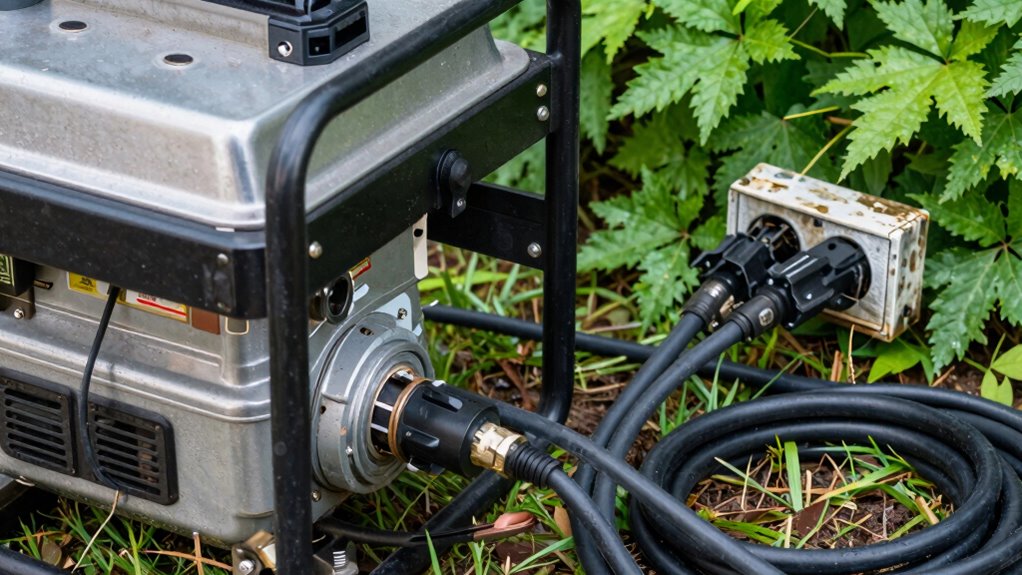

Even if you use a generator outside, it’s not automatically safe from carbon monoxide risks. CO can quickly build up if the generator is placed too close to your home, under porches, or near open windows and vents. Wind can carry fumes into indoor spaces, causing poisoning. To stay safe, you need to position your generator at least 20 feet away and direct exhaust away from entry points. Learn more about proper placement and safety tips to protect yourself and your loved ones.

Get oils, diffusers and self-care delivered free with Prime
- Fast, free delivery on millions of items
- Prime Video, Amazon Music and more included
- Member-only deals all year
Key Takeaways
- CO fumes can drift indoors even outdoors if a generator is placed too close or under eaves.
- Proper placement requires keeping generators at least 20 feet away from the home to prevent CO buildup.
- Wind can carry CO fumes into open windows, vents, or doorways if the generator is improperly positioned.
- Even small portable generators can produce dangerous CO levels if used near living spaces.
- Installing CO detectors provides essential early warning, but safe placement remains critical for preventing poisoning.
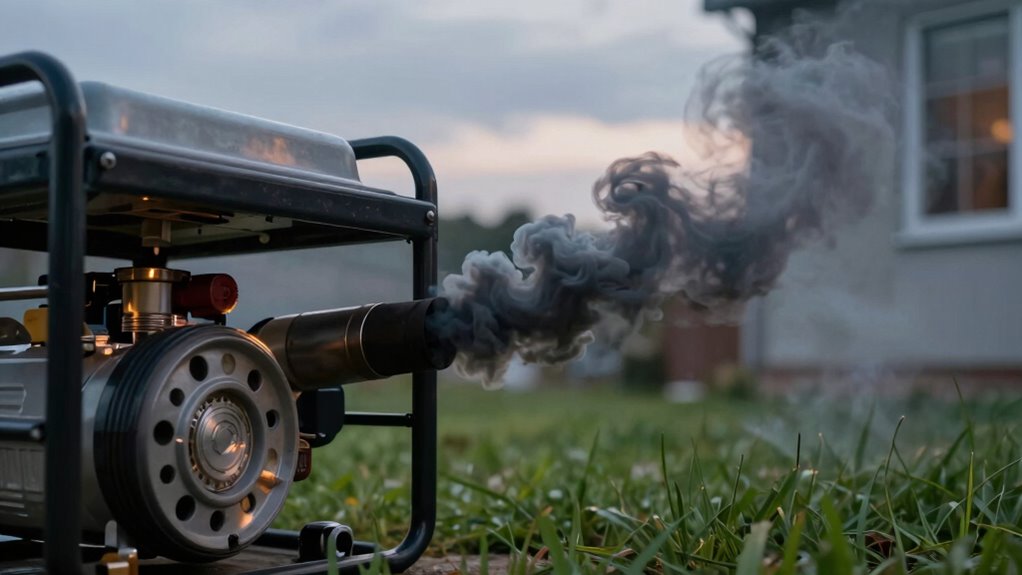
Have you ever considered how dangerous carbon monoxide (CO) from generators can be? Many people assume that operating a generator outside automatically keeps them safe, but that’s not always true. Carbon monoxide hazards are real and serious, even when you’re outdoors. CO is a colorless, odorless gas that can quickly build up to deadly levels if a generator isn’t placed correctly. That’s why understanding safe generator placement is vital to prevent poisoning.
Never assume outdoor generator use is completely safe—proper placement prevents deadly carbon monoxide buildup.
The key to staying safe is never to underestimate how easily CO can accumulate. When you run a generator outdoors, it’s tempting to keep it close to your home or under a porch. However, this is exactly what you should avoid. Wind can carry CO into open windows, vents, or doorways, putting you and your family at risk. Even a small, portable generator can produce enough CO to cause symptoms of poisoning, which include headaches, dizziness, nausea, or worse. It’s essential to realize that just being outside doesn’t guarantee safety if the generator is too close to your house or in an enclosed space.
To mitigate these risks, you need to focus on safe generator placement. Always position your generator at least 20 feet away from your home, and make sure the exhaust fumes are directed away from windows, doors, and vents. Use extension cords to keep the generator further from your living space if needed. Avoid placing it on decks, porches, or under eaves where fumes can easily drift into your home. Remember, even a slight breeze can carry CO into indoor spaces if the generator isn’t properly situated. It’s also wise to keep the generator on a flat, stable surface to prevent accidental tipping, which could cause fuel leaks or other hazards. Being aware of carbon monoxide exposure risks is crucial for safety.
Investing in a carbon monoxide detector near your living areas is a wise move. These alarms provide an additional layer of protection by alerting you if CO levels become dangerous. Regularly check and maintain both the detector and your generator to guarantee they’re functioning properly. Educate everyone in your household about the dangers of CO and the importance of safe generator placement. Making these precautions a habit can save lives.
outdoor generator placement safety
As an affiliate, we earn on qualifying purchases.
As an affiliate, we earn on qualifying purchases.
Frequently Asked Questions
Can CO Poisoning Occur Without Noticeable Symptoms?
Yes, CO poisoning can occur without noticeable symptoms. You might not be aware of the early signs, which makes symptom awareness essential. Sometimes, toxicity symptoms like dizziness, headache, or nausea are subtle or absent, especially in the early stages. If you’re around a generator, always guarantee proper ventilation and use CO detectors, because delayed recognition of CO poisoning can be dangerous and hard to detect without symptoms.
How Often Should CO Detectors Be Tested and Replaced?
You should test your CO detectors monthly and follow the manufacturer’s recommended replacement schedule, usually every 5 to 7 years. Regular detector maintenance is essential to guarantee they function properly and provide early warnings of dangerous carbon monoxide levels. Don’t forget to replace batteries annually if your unit uses them, and always follow the specific instructions on your detector to keep your home safe from CO poisoning.
Are Certain Generator Models Safer Than Others Regarding CO Risks?
Think of generator models like cars—some have better safety ratings than others. Certain models are designed with advanced features to reduce CO risks, making them safer when properly placed outside. To minimize danger, always follow guidelines for generator placement and choose models with higher safety ratings. Even the best model can be risky if placed improperly, so stay informed and prioritize safety above all.
What Are the Legal Requirements for Outdoor Generator Placement?
You need to follow legal requirements for outdoor generator placement to guarantee outdoor safety. Place your generator at least 20 feet away from windows, doors, and vents to prevent carbon monoxide buildup indoors. Use proper ventilation and avoid enclosed areas. Check local codes and manufacturer instructions for specific rules, and always verify your generator is on a stable, dry surface. Adhering to these guidelines minimizes risks and promotes safe outdoor generator use.
Can Portable Fans Reduce CO Buildup Around Generators?
Could a portable fan really help reduce CO buildup around your generator? While ventilation tips like using fans can improve airflow, they shouldn’t replace proper outdoor placement and CO detectors. Fans can help circulate air, but if used improperly, they pose safety risks. Always prioritize safe generator positioning, ensure good ventilation, and follow fan safety guidelines to prevent dangerous CO exposure. Remember, no fan alone guarantees safety.
Conclusion
Remember, even the most trusted generator can turn into a silent threat if you’re not careful. Like Icarus flying too close to the sun, relying solely on outside safety measures can lead to disaster. Stay vigilant, follow safety guidelines, and never underestimate the danger of carbon monoxide. Keep your guard up—because, just as a shadow can hide danger, invisible CO risks are always lurking, reminding us that safety isn’t just a precaution, but a necessity.
Fall Picks
fall essentials
As an affiliate, we earn on qualifying purchases.