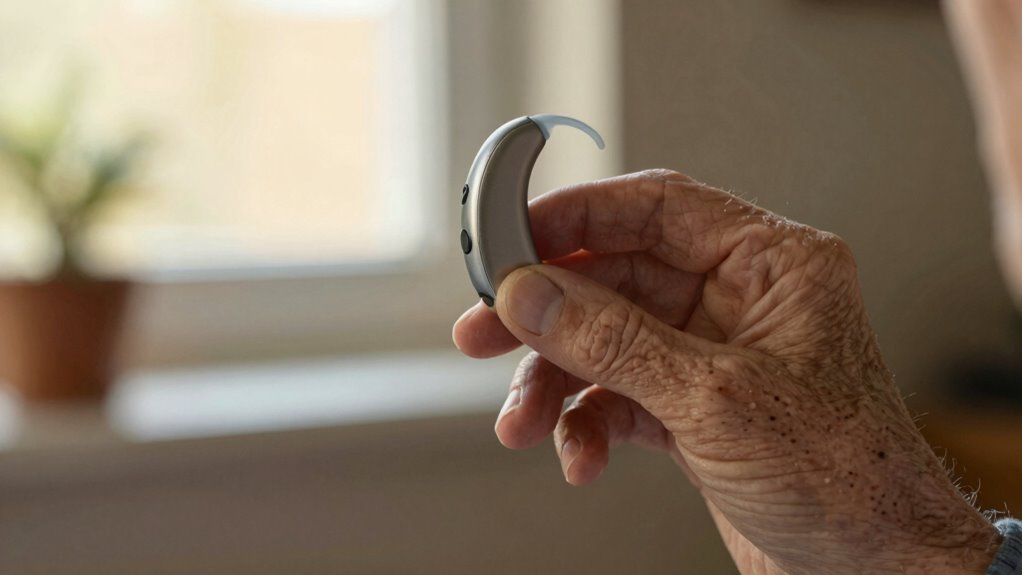

Hearing care feels so emotionally loaded because hearing is closely tied to your memories, identity, and relationships, making its loss deeply personal. When you struggle with hearing, you may feel isolated, frustrated, or disconnected from loved ones and your past experiences. Restoring hearing isn’t just about sound; it helps rebuild your confidence and emotional well-being. If you want to understand how these connections impact you and what you can do, keep exploring further.

Get oils, diffusers and self-care delivered free with Prime
- Fast, free delivery on millions of items
- Prime Video, Amazon Music and more included
- Member-only deals all year
Key Takeaways
- Hearing loss impacts emotional well-being by causing feelings of isolation, frustration, and personal disconnect.
- Auditory memory decline weakens recognition of voices and sounds, deepening feelings of disconnection from personal history.
- Addressing hearing health restores emotional resilience, confidence, and strengthens personal and relational bonds.
- The emotional weight of hearing care is linked to fears of losing independence and social engagement.
- Early intervention preserves auditory memories, supporting emotional stability and a sense of continuity in life.
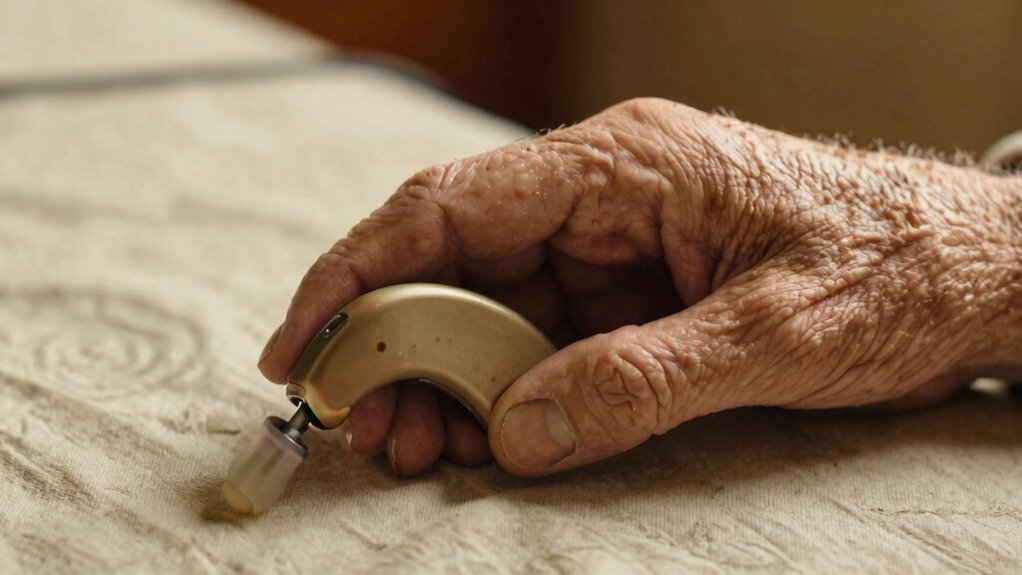
Your hearing health doesn’t just affect how you perceive sounds; it also deeply influences your emotions and overall well-being. When your ability to hear diminishes, it’s not just about missing out on conversations or music. It’s about losing a crucial connection to your world, which can stir feelings of isolation, frustration, and sadness. This emotional impact runs deeper because hearing isn’t just a passive sense; it’s intertwined with your auditory memory—the mental repository of sounds, voices, and environments you’ve experienced over time. When hearing declines, your auditory memory weakens or becomes less reliable, making it harder to recognize familiar voices or recall important sounds. This loss can trigger a sense of disconnection, as if your personal history with sound is slipping away. It’s not just about hearing loss, but about losing the emotional anchors tied to those sounds.
Hearing challenges often feel emotionally loaded because they threaten your emotional resilience—the ability to cope with stress and bounce back from setbacks. When you struggle to follow conversations or hear your favorite music, it’s easy to feel embarrassed, anxious, or even depressed. These reactions aren’t just about the inconvenience; they’re about a deeper fear of losing your independence or becoming socially isolated. The emotional weight can make seeking help seem intimidating, as if admitting to hearing difficulties exposes a vulnerability. But addressing hearing health isn’t just about restoring sound; it’s about rebuilding emotional resilience. Improving your hearing can help you regain confidence, reconnect with loved ones, and reestablish those important auditory memories that give life meaning. Recognizing how auditory memory supports emotional well-being emphasizes the importance of timely intervention. Additionally, understanding the psychological impact of hearing loss can motivate proactive care.
The emotional connection to hearing also explains why hearing loss feels so personal. It’s not just a physical impairment but a challenge to your identity and your relationships. When you hear well, you feel more engaged and emotionally present. When you don’t, you might withdraw, feeling less able to connect with others’ emotions or share your own. That sense of disconnection can be distressing, reinforcing feelings of loneliness or inadequacy. Recognizing that hearing health influences your emotional resilience helps you understand why timely care and intervention matter so much. Restoring your hearing isn’t merely about sound; it’s about reclaiming your emotional stability, emotional resilience, strengthening your capacity to navigate life’s challenges, and preserving those precious auditory memories that make your personal story complete.
Products Worth Considering

Withings BPM Vision Blood Pressure Monitor with Wi-Fi and Bluetooth

Oral-B iO5 Rechargeable Electric Toothbrush with 5 Cleaning Modes and Travel Case, White

Oura Ring 5 Smart Ring – Stealth, Size 11
As an affiliate, we earn on qualifying purchases.
Frequently Asked Questions
How Do Hearing Aids Impact Self-Esteem Long-Term?
Hearing aids can boost your self-esteem long-term by breaking down self-confidence barriers and fostering a positive identity shift. As you adapt, you’ll notice increased confidence in social situations, reducing feelings of isolation. Over time, you’ll view yourself more positively, embracing your new accessory as part of your identity. This transformation helps you stay engaged and comfortable, ultimately strengthening your self-image and emotional well-being.
Can Hearing Loss Cause Social Withdrawal?
Hearing loss can turn your world into a silent desert, making social withdrawal almost inevitable. You might feel trapped in social isolation, which chips away at your emotional resilience over time. Without support, conversations become intimidating, and loneliness grows. Addressing hearing loss early helps you reconnect, rebuild confidence, and prevent emotional erosion. Taking action restores your social life and emotional strength, proving that hearing care isn’t just about sound — it’s about reclaiming your life.
What Role Does Stigma Play in Hearing Care?
Stigma plays a significant role in hearing care by fueling social stigma and emotional barriers. You might hesitate to seek help because you fear being judged or labeled as old or weak. This social stigma creates emotional barriers, making it harder for you to acknowledge hearing issues and pursue treatment. Overcoming these barriers requires understanding that hearing loss is common, and seeking help is a sign of strength, not weakness.
Are Emotional Reactions to Hearing Loss Common?
Yes, emotional reactions to hearing loss are common. It’s like steering through stormy seas—you might feel anger, frustration, or sadness. Building emotional resilience helps you weather these challenges, making hearing acceptance easier. Recognizing and embracing your feelings allows you to adapt better and seek support when needed. Remember, your emotional response is a natural part of the journey, and with patience, you can find peace and confidence in your new hearing experience.
How Does Hearing Loss Affect Relationships Over Time?
Hearing loss can strain your relationships over time by creating communication barriers. You might feel frustration or withdrawal, impacting emotional resilience. As conversations become harder, misunderstandings grow, causing emotional distance. Your partner may feel disconnected, and you might struggle to express your feelings. To maintain strong bonds, it’s essential to address these challenges early, seek support, and develop new communication strategies, strengthening emotional resilience and fostering understanding.
Conclusion
You might not realize it, but hearing care is deeply tied to your emotions—it’s about more than just sound. Nearly 70% of people with hearing loss report feelings of isolation or depression, showing how essential hearing health is to emotional well-being. Addressing hearing issues isn’t just about improving hearing; it’s about restoring confidence and connection. When you prioritize your hearing care, you’re taking a key step toward emotional resilience and better quality of life.