When choosing between hearing aid batteries and rechargeables, consider how long they last, how environmentally friendly they are, and your budget. Disposables are simple and widely available but create more waste and can add up in cost. Rechargeables cost more upfront but save money over time, and they’re better for the environment. Your lifestyle and convenience preferences also matter. Keep exploring to discover which option might work best for you.

Get oils, diffusers and self-care delivered free with Prime
- Fast, free delivery on millions of items
- Prime Video, Amazon Music and more included
- Member-only deals all year
Key Takeaways
- Disposable hearing aid batteries offer immediate use and convenience but require frequent replacements, increasing long-term costs.
- Rechargeable hearing aids reduce waste and environmental impact while needing an initial investment in a charger and batteries.
- Rechargeables typically last a full day per charge, but capacity diminishes over time, potentially affecting performance.
- Disposable batteries are easy to replace and widely available, ideal for users valuing simplicity and quick swaps.
- Consider your lifestyle, budget, and environmental priorities when choosing between disposables and rechargeables for hearing aids.
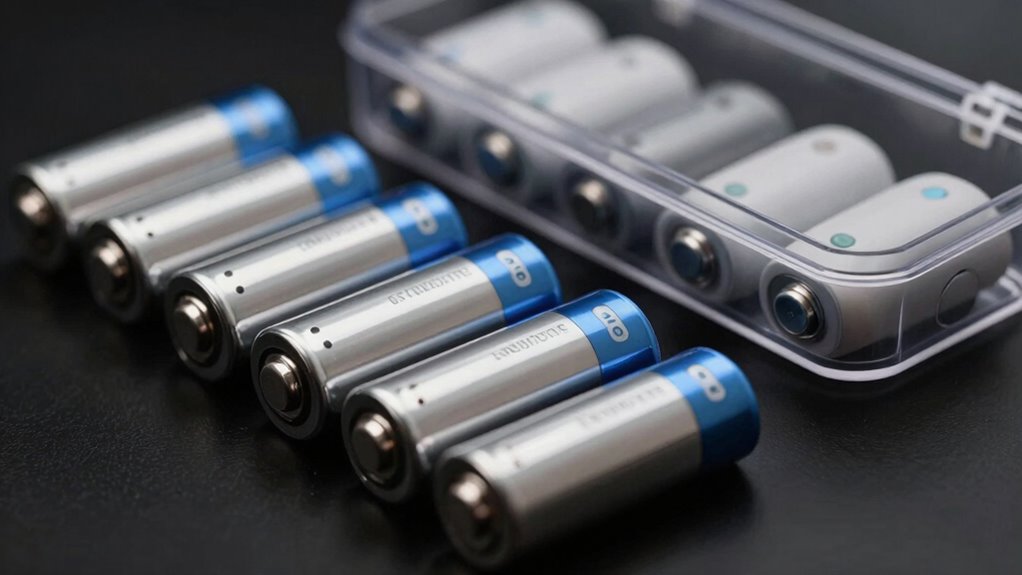
Hearing aid batteries are vital components that power your devices, ensuring you stay connected and hear clearly throughout the day. When choosing between disposable batteries and rechargeables, understanding their battery lifespan is essential. Disposable batteries typically last anywhere from three to ten days, depending on usage and the device’s power demands. Rechargeable batteries, on the other hand, often provide a full day’s use on a single charge and can be recharged hundreds of times. This extended battery lifespan can be a notable advantage if you prefer convenience and fewer replacements. However, it’s important to note that rechargeables might need replacement after several years as their capacity diminishes over time, which can impact your overall cost-effectiveness and reliability.
Disposable hearing aid batteries last 3-10 days; rechargeables provide a full day’s use and can be recharged hundreds of times.
Another key factor to consider is the environmental impact of your choice. Disposable batteries generate waste that contributes to environmental pollution if not disposed of properly. Many of these batteries contain harmful chemicals and heavy metals, making safe disposal essential but not always easy or convenient. By switching to rechargeable batteries, you reduce the number of batteries discarded each year, which can considerably lessen your ecological footprint. Rechargeables, especially those using nickel-metal hydride (NiMH) technology, are more environmentally friendly because they produce less waste and contain fewer toxic substances. Plus, many rechargeable battery systems come with recycling programs, allowing you to dispose of them responsibly and further reduce environmental harm.
Some users find the initial investment in rechargeable batteries and compatible chargers to be higher, but over time, they tend to be more cost-effective. Instead of buying multiple disposable packs every few weeks, you simply recharge the same batteries repeatedly. This not only saves money but also reduces the hassle of frequent replacements. Conversely, if you prefer a straightforward option with no need to remember to recharge, disposable batteries might suit your lifestyle better. They’re easy to swap out, widely available, and require no additional equipment.
Additionally, advancements in battery technology continue to improve the capacity and lifespan of rechargeable options, making them an increasingly attractive choice for many users. Ultimately, your decision should align with your daily routine, budget, and environmental values. If you prioritize convenience and long-term savings, rechargeables could be the smarter choice. But if you prefer simplicity and quick replacements without extra devices, traditional disposable batteries might serve you well. Both options have their pros and cons, but understanding their battery lifespan and environmental impact will help you make an informed choice that fits your needs and values.
hearing aid rechargeable batteries
As an affiliate, we earn on qualifying purchases.
As an affiliate, we earn on qualifying purchases.
Frequently Asked Questions
How Do Rechargeable Batteries Perform in Extreme Temperatures?
Rechargeable batteries can struggle in extreme temperatures, affecting their temperature stability and overall performance. Cold weather may reduce battery capacity, causing shorter usage times, while hot conditions could lead to faster battery drain or damage. It’s essential for you to avoid exposing your rechargeable hearing aid batteries to extreme temperatures to maintain ideal temperature stability and guarantee reliable performance. Always store them in a cool, dry place when not in use.
Are Rechargeable Hearing Aid Batteries More Environmentally Friendly?
Yes, rechargeable hearing aid batteries are more environmentally friendly. They reduce waste by eliminating the need for frequent disposable batteries, lowering environmental impact. Plus, many rechargeable batteries are designed for recycling efforts, making it easier for you to dispose of them responsibly. Using rechargeables helps you minimize hazardous waste and supports sustainability, making them a better choice for eco-conscious users who want to lessen their environmental footprint.
What Is the Typical Lifespan of a Rechargeable Hearing Aid Battery?
Think of your rechargeable hearing aid battery as a reliable marathon runner, lasting through many miles. Typically, it has a lifespan of about 3 to 5 years, enduring roughly 500 to 1,000 recharge cycles. As you use it, its battery capacity gradually diminishes, just like a runner’s stamina wanes over time. With proper care, you’ll enjoy consistent performance until it’s time for a new champion.
Can Rechargeable Batteries Be Used With All Hearing Aid Models?
Not all hearing aid models are compatible with rechargeable batteries. You should check the battery compatibility before switching. Many modern hearing aids support rechargeable options, but older or specialized models might not. Always consult your hearing healthcare professional or the manufacturer’s specifications to guarantee your hearing aid model can safely and effectively use rechargeable batteries. This ensures ideal performance and avoids potential damage.
Do Rechargeable Batteries Require Special Charging Accessories?
Did you know over 80% of rechargeable hearing aids need specific charging accessories? Yes, rechargeable batteries often require a compatible charging station, which varies by model. You should check your hearing aid’s battery compatibility issues before purchasing, as some models need special charging stations. Using the right accessories ensures safe, efficient charging and prevents damage. Always follow your manufacturer’s recommendations to keep your hearing aids functioning at their best.
Conclusion
Choosing between hearing aid batteries and rechargeables is like picking the perfect pair of shoes—you want comfort, reliability, and a fit that matches your lifestyle. Think of batteries as a trusty torch, shining bright but needing replacement, while rechargeables are like a rechargeable lantern, ready to light your path again and again. Weigh your needs carefully, and you’ll find the perfect spark to keep your hearing journey clear and bright, no matter where life takes you.
Fall Picks
fall essentials
As an affiliate, we earn on qualifying purchases.