
TL;DR
Manila has declared a leptospirosis epidemic following a surge in cases, according to the Philippine News Agency. The declaration aims to mobilize health resources and raise awareness amid ongoing concerns.
Manila has officially declared a leptospirosis epidemic after health authorities reported a significant increase in cases across the city. The declaration, made by local officials, underscores the urgent need for heightened disease control measures and public awareness. This move marks a critical step in addressing what officials describe as a growing health concern that could affect vulnerable populations.
The Manila city government announced the epidemic declaration on March 15, 2024, citing a surge in leptospirosis cases over the past month. According to the Department of Health (DOH), there have been over 300 confirmed cases in the city since February, with at least 20 reported fatalities. The city’s health department has issued an advisory urging residents to avoid floodwaters, maintain hygiene, and seek immediate medical attention if symptoms appear.
Leptospirosis is a bacterial disease transmitted primarily through contact with water contaminated by the urine of infected animals, notably rodents. It can cause severe illness, including fever, muscle pain, jaundice, and in some cases, organ failure. The disease is often linked to flooding, which has been recurrent in Manila due to heavy rains and poor drainage infrastructure.
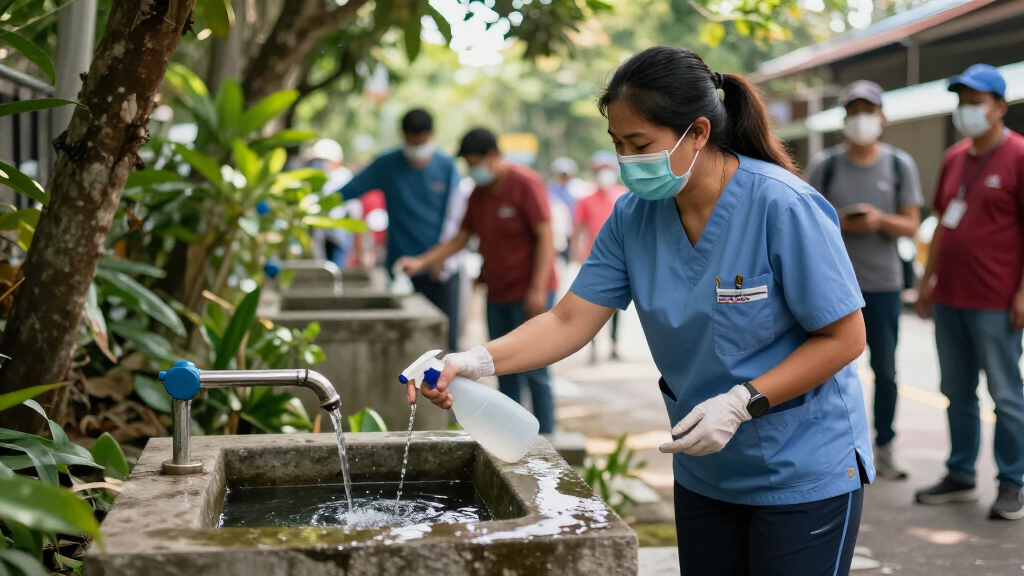
The declaration enables local health authorities to implement emergency measures, including intensified sanitation drives, vector control, and public health campaigns. It also allows for the mobilization of additional resources to hospitals and clinics to manage the increasing patient load.
Implications of Manila’s Leptospirosis Declaration
This declaration signals a critical escalation in Manila’s public health response to leptospirosis, which poses risks particularly during flooding seasons. It highlights the need for coordinated efforts among local government units, health agencies, and communities to prevent further infections. The move may also influence policy discussions on urban drainage improvements and rodent control strategies. For residents, the declaration underscores the importance of vigilance and adherence to health advisories to reduce individual risk.
As an affiliate, we earn on qualifying purchases.
Rising Cases and Flooding Conditions in Manila
Leptospirosis has been a recurring concern in Manila, especially during the rainy season when flooding is common. Historically, outbreaks tend to spike during periods of heavy rain, which facilitate the bacteria’s spread through contaminated floodwaters. In recent weeks, Manila has experienced above-normal rainfall, leading to widespread flooding in low-lying areas. Despite ongoing sanitation efforts, the city continues to struggle with drainage issues and rodent infestations, which contribute to the disease’s transmission.
Health authorities have previously issued warnings during peak flooding periods, but the recent surge in cases prompted the city to declare an epidemic—a move that has been rare in recent years. The outbreak’s escalation is attributed to a combination of environmental factors and population vulnerabilities, including inadequate waste management and dense urban settlements.
Prior to this declaration, local officials had been monitoring the situation closely, but the rapid increase in cases prompted a more urgent response. The declaration aligns with similar measures in other flood-prone areas during health crises, emphasizing the severity of the current outbreak.
Unclear Scope and Long-Term Impact of Outbreak
It is not yet clear how widespread the outbreak will become or how long the epidemic declaration will remain in effect. Details about the full scope of infections, the effectiveness of current measures, and potential future surges are still emerging. Experts caution that environmental factors such as ongoing heavy rains could prolong or exacerbate the outbreak, but specific projections have not been made publicly.
Additionally, the precise impact on vulnerable populations and the effectiveness of current interventions remain under assessment. The city’s capacity to contain the outbreak depends on multiple factors, including community compliance and resource availability.
Next Steps in Managing Manila’s Leptospirosis Crisis
Health authorities plan to intensify sanitation and rodent control efforts, along with public education campaigns to reduce exposure. The city government will likely monitor infection trends closely and adjust response strategies accordingly. Officials are also expected to seek additional funding and resources to bolster healthcare facilities and community outreach programs.
Further updates are anticipated as more data becomes available, and the government may extend or modify the epidemic declaration based on the outbreak’s progression. Residents are advised to stay informed through official channels and adhere to health advisories.
Key Questions
What does the epidemic declaration mean for residents of Manila?
The declaration allows authorities to implement emergency health measures, including intensified sanitation, public awareness campaigns, and resource mobilization to control the outbreak and protect residents.
How is leptospirosis transmitted and how can it be prevented?
Leptospirosis is transmitted through contact with water contaminated by infected animal urine, especially during flooding. Prevention includes avoiding floodwaters, maintaining hygiene, and seeking prompt medical care if symptoms appear.
Are there specific areas in Manila more affected by the outbreak?
While detailed geographic data is still being compiled, low-lying and flood-prone districts are believed to be most affected, especially those with poor drainage and high rodent populations.
What are the symptoms of leptospirosis?
Common symptoms include high fever, muscle pain, jaundice, and sometimes organ failure. Early detection and treatment are crucial for better outcomes.
What is the long-term outlook for controlling leptospirosis in Manila?
The long-term control depends on improving urban infrastructure, sanitation, and ongoing public health efforts. The current outbreak highlights the need for sustained measures to prevent future surges.
Source: local