Dust is more than just a cleaning issue—it’s a serious safety threat that can harm your health and workplace. Fine dust particles can be inhaled deep into your lungs, causing respiratory problems like asthma or bronchitis, especially with prolonged exposure. Dust also poses fire and explosion risks if it builds up or becomes airborne. Managing dust properly with control measures is essential to protect your health and prevent hazards. Keep going to discover how you can stay safer around dust.

Get oils, diffusers and self-care delivered free with Prime
- Fast, free delivery on millions of items
- Prime Video, Amazon Music and more included
- Member-only deals all year
Key Takeaways
- Dust can cause severe respiratory health issues like asthma and bronchitis through deep lung inhalation.
- Fine dust particles are combustible and can create explosive atmospheres if dispersed in the air.
- Accumulated dust increases fire and explosion risks, requiring regular removal and proper containment.
- Airborne dust can linger, posing continuous health and safety hazards if not effectively controlled.
- Managing dust is essential for both workplace safety and maintaining good air quality standards.

Dust can pose serious health and safety risks in many workplaces, so understanding the reasons for dust safety is essential. When dust accumulates unchecked, it doesn’t just make your environment look messy; it creates real hazards that can harm your health and compromise safety. One of the most critical concerns is respiratory hazards. Fine particles in dust can be inhaled deeply into your lungs, causing issues like asthma, bronchitis, or even more severe respiratory conditions over time. If you work in environments with a lot of airborne dust—such as manufacturing, woodworking, or construction—you need to recognize that exposure isn’t just a nuisance; it’s a genuine health threat. Proper dust control measures, like ventilation systems and personal protective equipment, are essential to reduce inhalation risks and protect your respiratory health.
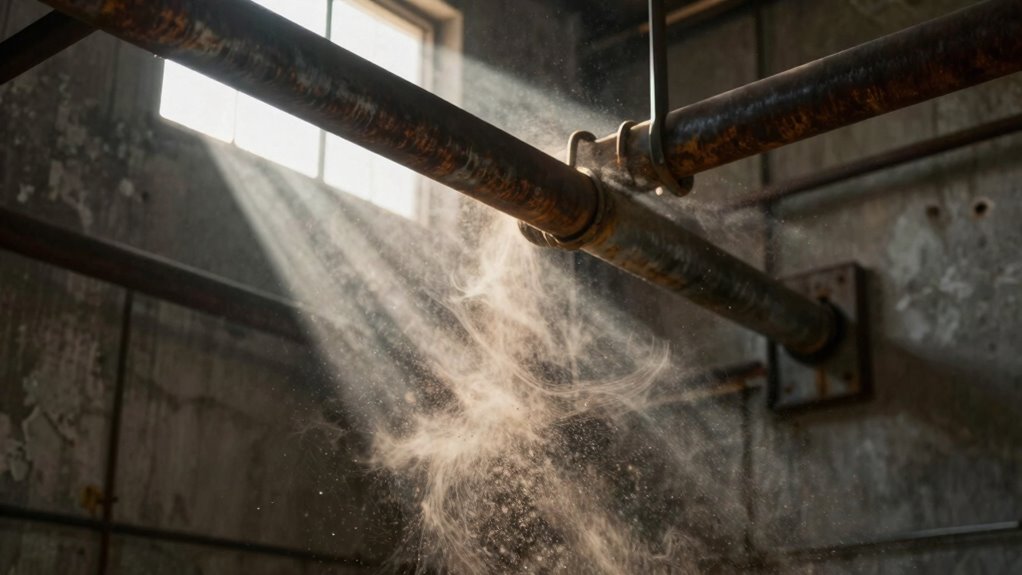
Beyond health concerns, dust markedly increases fire risks in many workplaces. Dust particles, especially when fine and plentiful, are combustible. When dispersed in the air, they can create an explosive atmosphere if ignited by a spark or heat source. Many industrial accidents have resulted from unchecked dust accumulation igniting unexpectedly, causing fires or even explosions. This makes regular cleaning and dust management not just a matter of cleanliness but a fundamental safety protocol. You should be aware that even small amounts of dust—if allowed to build up—can become a serious hazard. Ensuring that dust is regularly removed and that equipment is properly maintained helps minimize these fire risks. Proper containment, dust collection systems, and adherence to safety standards help prevent dust from reaching dangerous levels and reduce the chance of ignition. Recognizing the importance of dust safety measures can significantly mitigate these risks.
Understanding these risks underscores why dust safety isn’t just about keeping a workspace tidy. It’s about actively managing respiratory hazards to safeguard health and preventing fire risks that could have catastrophic consequences. Your safety depends on recognizing that dust isn’t merely a byproduct of work—it’s a hazard that needs attention and control. Implementing proper safety practices, like using appropriate PPE, maintaining equipment, and following cleaning protocols, can make a real difference. Additionally, air quality management plays a crucial role in reducing airborne dust levels and protecting workers. Maintaining good air quality is essential because airborne dust can linger and pose ongoing health threats. It’s also important to understand that proper dust containment techniques can significantly reduce the amount of airborne particles and improve overall safety. By staying vigilant and proactive, you protect not just your health but also the safety of everyone around you. Dust safety should always be a priority because the risks—whether to your lungs or to your workplace—are too substantial to ignore.
industrial dust collection system
As an affiliate, we earn on qualifying purchases.
As an affiliate, we earn on qualifying purchases.
Frequently Asked Questions
Can Dust Cause Allergies Even if It’s Not Visible?
Yes, dust can cause allergies even if it’s not visible. Invisible particles in dust act as allergen triggers, irritating your respiratory system and causing symptoms like sneezing, coughing, or congestion. Since these particles are tiny, you might not see them, but they still pose a health risk. Regular cleaning and air filtration help reduce these allergen triggers, making your environment safer and more comfortable.
How Often Should I Check for Dust Buildup in My Home?
You should check for dust buildup at least once a week to maintain a healthy home. Regular inspections help you spot dust accumulation tips early, preventing allergies and respiratory issues. Using an air purifier benefits your space by reducing airborne dust particles, making your environment cleaner. Keep surfaces dust-free and vacuum frequently, especially in high-traffic areas, to minimize dust buildup and improve overall air quality.
Are Certain Types of Dust More Dangerous Than Others?
Like a lurking villain in a mystery, certain dust types pose greater threats. Fine dust particles, especially those with hazardous particle composition like asbestos or pollen, are more dangerous because they can penetrate deep into your lungs. Smaller dust particle size makes inhalation easier, increasing health risks. Be vigilant about the composition and size of dust in your home, as these factors directly influence potential dangers.
What Are the Long-Term Health Effects of Dust Exposure?
Long-term dust exposure from occupational settings can lead to serious health issues, including chronic respiratory problems like asthma or bronchitis. You might develop ongoing breathing difficulties, reduced lung function, or even more severe conditions such as silicosis or pneumoconiosis. Consistent inhalation of dust particles damages your lungs over time, emphasizing the importance of proper protective measures. Staying vigilant about occupational exposure helps prevent these long-term health effects.
How Does Dust Affect Indoor Air Quality Over Time?
Dust acts like an invisible veil, gradually choking your indoor air quality. Over time, it accumulates as allergen buildup, making the air harder to breathe. Air filtration systems help clear out these particles, improving overall air quality. Without proper ventilation, dust continues to settle and linger, reducing air purity and potentially triggering allergies or respiratory issues. Regular cleaning and effective filtration are your best defenses against this silent threat.
Conclusion
Dust isn’t just an invisible nuisance; it’s a silent guardian of your safety, a whisper of protection woven into your environment. Like a shield unseen, it filters the air, guarding your lungs from harm. When you clear it away, you reveal a clearer path to health and well-being. Embrace dust’s quiet role, understanding that beneath its mundane surface lies a symbol of your care—an ongoing dance between safety and serenity that keeps you resilient every day.
Halloween Picks
halloween
As an affiliate, we earn on qualifying purchases.