
Your perception of odors as “dirty” or “chemical” depends on how your brain interprets scent signals based on past experiences, cultural influences, and biological responses. “Dirty” smells often come from decay, bacteria, or uncleanliness, which trigger survival instincts. Chemical smells, like bleach, feel less dirty because they’re perceived as artificial or manufactured. Understanding how your brain and environment shape these perceptions can reveal why certain odors evoke strong emotions—keep exploring to learn more.
Key Takeaways
- Odors perceived as “dirty” often stem from bacteria, decay, or uncleanliness, triggering negative biological and evolutionary responses.
- “Chemical” smells are typically manufactured, synthetic, or artificial, leading to perceptions of safety or neutrality.
- Cultural experiences and memories influence whether an odor is classified as “dirty” or “chemical.”
- Neural processing and individual sensitivity shape emotional reactions and classifications of different odors.
- Context and environment affect how odors are interpreted and whether they evoke feelings of dirtiness or chemical nature.

Have you ever noticed how some smells instantly feel dirty—like stale sweat or rotting garbage—while others, like cleaning chemicals, come across as harsh or artificial? That’s because your sensory perception plays an essential role in how you interpret odors. Your nose detects molecules in the air and sends signals to your brain, which then classifies these smells based on past experiences and biological responses. This process, called odor classification, helps you distinguish between what’s familiar and potentially harmful or unclean. When you encounter a smell that’s associated with dirt or decay, your brain perceives it as “dirty” because it’s linked to bacteria, rot, or uncleanliness. Conversely, chemical smells, such as bleach or aerosol sprays, are often perceived as artificial because they stem from manufactured substances designed to mask or eliminate odors.
Sensory perception classifies odors, helping us distinguish between familiar, harmful, or artificial smells based on past experiences and biological responses.
The way your brain categorizes odors directly influences whether a smell feels “dirty” or “chemical.” Smells tied to biological decay or bodily functions tend to trigger negative associations, making you perceive them as unpleasant or dirty. This is a survival mechanism—your brain is wired to avoid potentially dangerous or unsanitary environments. On the other hand, chemical odors are often associated with human-made products meant for cleaning or disinfecting. Though these smells can be sharp or overwhelming, they’re usually perceived as less “dirty” because they don’t trigger the same evolutionary alarm signals. Instead, they’re classified as artificial or synthetic, which influences your emotional response to them.
Your sensory perception isn’t just about detecting molecules; it also involves your brain’s interpretation based on context, experience, and cultural factors. For example, a smell that’s considered “dirty” in one culture might not be seen the same way elsewhere. Odor classification is nuanced and shaped by your environment and memories. When you smell something like rotten food, your brain recognizes it as a warning sign, prompting you to avoid it. Meanwhile, a strong chemical cleaner might be perceived as harsh but not necessarily dirty, even if the scent is equally intense. This classification helps you navigate your surroundings efficiently—distinguishing between what’s safe and what’s potentially harmful. Additionally, sensory perception can be influenced by individual differences and learned associations, further shaping how odors are experienced. Moreover, biological responses to certain odors can also vary depending on genetic factors, which may explain why some people are more sensitive to specific smells than others. Recognizing these factors can also deepen our understanding of how cultural influences shape the perception of odors across different societies. Furthermore, understanding the neuroscience of smell can provide insights into why certain smells evoke strong emotional reactions or memories. The brain’s ability to process and categorize odors is fundamental in forming these perceptions and responses, making it a vital part of how we interpret our environment.
In essence, whether an odor feels “dirty” or “chemical” depends on how your sensory perception processes and classifies it. It’s a complex interplay of biological signals, past experiences, and contextual cues that guide your reactions. This system allows you to react appropriately to different environments, helping you steer clear of danger or discomfort. So next time you catch a smell that triggers a strong reaction, remember—your brain is working hard to categorize it, shaping how you experience and interpret the world around you.
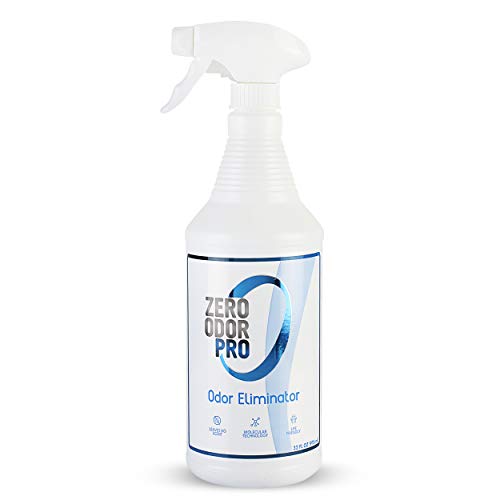
Zero Odor Pro Commercial Strength Odor Eliminator, Room Deodorizer and Air Freshener, Trigger Spray, 32 oz, White/Blue
- Product Name: Zero Odor Pro Odor Eliminator
As an affiliate, we earn on qualifying purchases.
As an affiliate, we earn on qualifying purchases.
Frequently Asked Questions
How Do Individual Sensitivities Affect Odor Perception?
Your personal sensitivities considerably influence how you perceive odors, making some seem overwhelming or unpleasant. Due to sensory adaptation, your nose gets used to certain smells over time, reducing their intensity. Conversely, heightened sensitivities mean even faint odors can feel intense or irritating. This variation affects whether you perceive an odor as “dirty” or “chemical,” as your individual sensitivities shape your overall experience and reaction to different smells.
Can Environmental Factors Influence How Odors Are Perceived?
Environmental factors definitely influence how you perceive odors. For example, in a case of odor contamination from industrial waste, the smell may seem overwhelmingly foul, but using scent masking techniques can alter your perception, making it less intense. Your environment’s temperature, humidity, and airflow also affect odor intensity, causing some scents to feel more chemical or dirty. These factors shape your sensory experience and your emotional response to different odors.
Are There Cultural Differences in Odor Perception?
Yes, there are cultural differences in odor perception. You might associate certain scents with cleanliness or dirt based on your cultural background, which influences your reactions. Cultural associations and scent symbolism shape how you interpret odors—what smells pleasant in one culture could be unpleasant in another. These perceptions are deeply rooted in traditions, experiences, and societal norms, making your scent preferences uniquely shaped by your cultural environment.
How Does Age Impact Odor Sensitivity?
As you age, aging and smell often lead to a sensory decline, making you less sensitive to certain odors. This means you might not notice some smells as strongly as you once did, including both pleasant and unpleasant ones. Your olfactory system gradually weakens over time, so you may need more intense scents to detect them. Understanding this change can help you adapt and stay aware of your environment.
Can Odors Be Intentionally Altered to Change Perception?
You can intentionally alter odors by using scent masking or odor neutralization techniques. Imagine a strong, unpleasant smell being replaced by a fresh, inviting aroma like citrus or vanilla. Scent masking layers a pleasant scent over the original, while odor neutralization chemically eliminates the smell entirely. Both methods help change your perception, making environments feel cleaner or less offensive, and can be tailored to evoke specific feelings or atmospheres.
Conclusion
So, next time you catch a whiff that feels “dirty” or “chemical,” remember it’s all about your nose’s history and perception—like a savvy Victorian detective sniffing clues. Your brain’s built-in filters decide what’s natural or synthetic, based on past experiences. Just as a good Sherlock would, trust your senses but stay curious. After all, understanding odors is like uncovering secrets—sometimes, it’s the story behind the smell that makes all the difference.