
Heat helps your cleaning efforts more than chemicals because it loosens stubborn grime, making it easier to wipe away. It speeds up chemical reactions, boosting cleaning power and reducing the need for harsh cleaners. Plus, hot water and steam can quickly eradicate harmful bacteria and viruses, providing natural sanitation. Properly using heat can protect your surfaces and tools too. To discover how to make the most of heat in your cleaning routine, keep exploring.
Open a free Amazon Business account
Business pricing, bulk buying and tax-exempt orders.
As an affiliate, we earn on qualifying purchases.
Key Takeaways
- Heat enhances cleaning by loosening grime and emulsifying fats more effectively than chemicals alone.
- Elevated temperatures destroy bacteria and viruses quickly, offering natural sanitation.
- Heat accelerates chemical reactions, improving cleaning efficiency and reducing required chemical usage.
- Warmth speeds up surface drying, inhibiting bacterial and mold growth more than chemicals alone.
- Proper heat application prevents surface damage and prolongs equipment lifespan during cleaning.
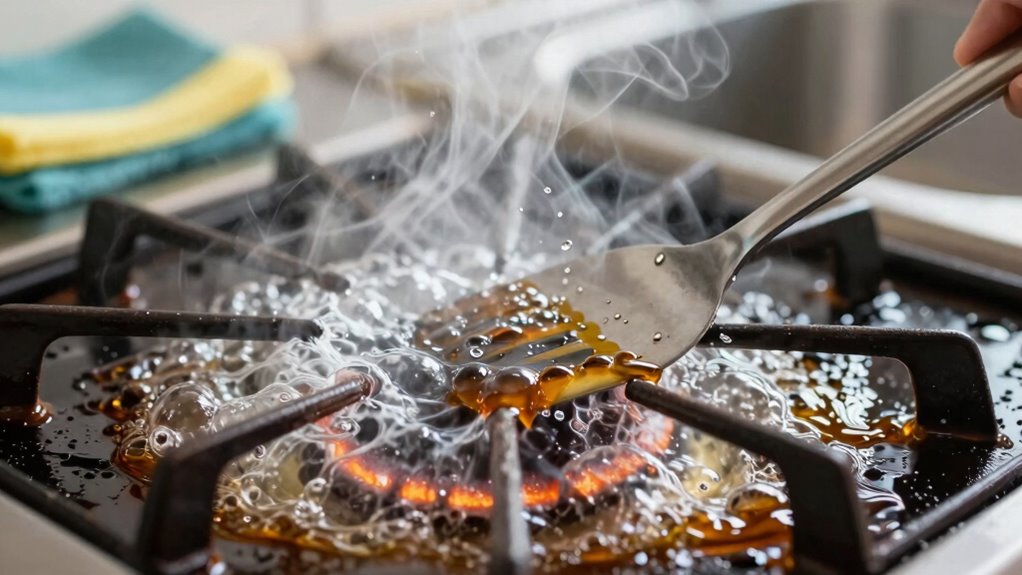
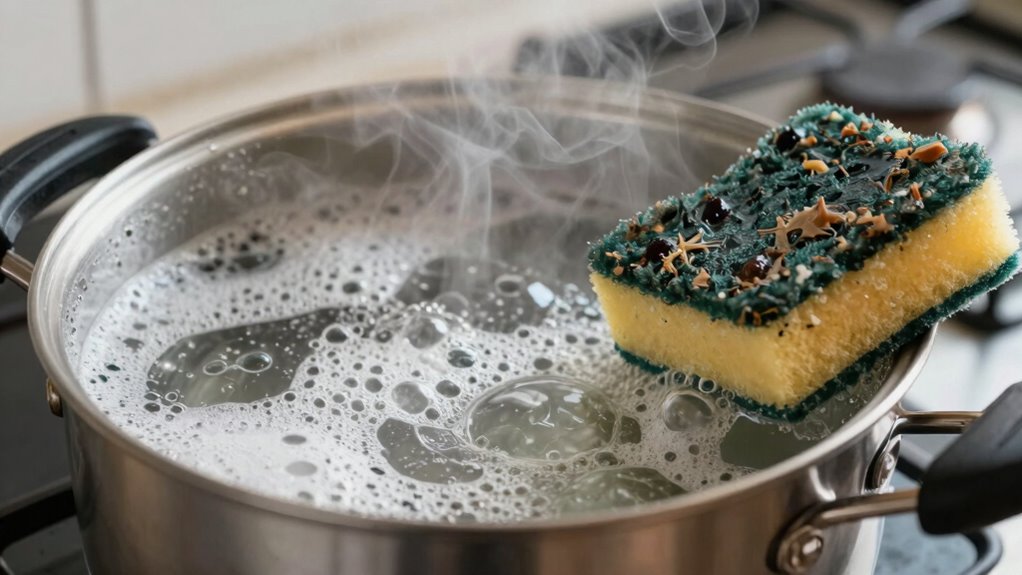
Understanding how heat affects cleaning efficiency is vital for achieving the best results. When you use heat during cleaning, you’re leveraging more than just its warmth—you’re harnessing its power to improve overall effectiveness. Temperature effects play a significant role in how well a cleaning process removes dirt, grease, and bacteria. Higher temperatures can loosen grime more easily, making it simpler to wipe away residues that might stubbornly cling at lower temperatures. This means that heat can often do in minutes what might take much longer with chemicals alone, saving you time and effort.
One of the most important benefits of heat is its ability to facilitate microbial eradication. Many harmful bacteria and viruses are sensitive to elevated temperatures, and exposing them to sufficient heat can destroy their cell structures quickly. This is why hot water and steam are commonly used in sanitation processes—they help guarantee a higher level of hygiene. When you apply heat, you’re not just cleaning surface stains; you’re actively neutralizing pathogens that could pose health risks. This microbial eradication is vital in settings like kitchens, hospitals, or any environment where hygiene matters most. It’s a natural, chemical-free way to boost sanitation, especially when combined with proper cleaning techniques.
While chemicals are designed to break down grime and kill germs, they often need time to work effectively. Heat accelerates these chemical reactions, enhancing their potency. For example, hot water can emulsify fats and oils more efficiently than cold water, making chemical cleaners more effective because they can penetrate surfaces better. Conversely, in some cases, heat alone can be enough to disinfect surfaces without additional chemicals—saving you money and reducing chemical exposure. This is especially useful in environmentally conscious settings or for those with sensitivities to harsh cleaners. Additionally, understanding the thermal sensitivity of different materials helps prevent damage during cleaning, ensuring that heat is used safely and effectively. Recognizing how different materials respond to heat exposure can help you avoid accidental damage and prolong the lifespan of your surfaces and tools. Incorporating temperature considerations into your cleaning routine also contributes to energy efficiency, reducing overall power consumption.
However, it’s vital to understand that temperature effects aren’t just about killing germs; they also influence how well your cleaning tools and surfaces respond. High heat can loosen stubborn dirt, making removal much easier, and can even help dry surfaces faster, reducing moisture that breeds bacteria and mold. When you use heat strategically, you’re not only improving cleaning speed but also enhancing the longevity of your equipment and surfaces. Properly managing temperature is essential to avoid material damage and ensure that cleaning remains safe. Ultimately, incorporating heat into your cleaning routine taps into natural principles of sanitation and dirt removal, often making it more effective than relying solely on chemicals. Recognizing how heat influences both grime removal and microbial eradication helps you choose the best approach for each cleaning challenge.
As an affiliate, we earn on qualifying purchases.
Frequently Asked Questions
How Does Heat Affect Bacterial Elimination During Cleaning?
Heat increases the bacterial kill rate by damaging cell structures and denaturing proteins, making bacteria easier to eliminate. It also enhances heat penetration, allowing deeper sterilization in hard-to-reach areas. When you use heat during cleaning, you improve the effectiveness of the process, reducing bacteria more quickly than chemicals alone. This is especially useful for disinfecting surfaces, equipment, or fabrics where thorough sterilization is critical.
Are There Surfaces That Cannot Withstand High Temperatures?
Some surfaces can’t withstand high temperatures, so you’ll need to be cautious. Heat-resistant surfaces like metal, glass, and ceramic tolerate higher temperatures without damage. In contrast, materials with temperature limitations—such as plastics, rubber, and certain woods—may warp, melt, or crack when exposed to excessive heat. To protect your surfaces, always check their heat resistance prior to applying high temperatures during cleaning. This helps ensure effective cleaning without causing damage.
What Safety Precautions Should Be Taken When Using Heat for Cleaning?
When using heat for cleaning, you should wear protective gear like gloves and goggles to prevent burns or chemical splashes. Always control the temperature carefully to avoid damaging surfaces or causing accidents. Keep a fire extinguisher nearby and make certain good ventilation. Additionally, read manufacturer instructions for equipment and surfaces, and never leave heated tools unattended. Proper safety measures ensure effective cleaning without risking injury or damage.
How Does Heat Compare to Chemicals in Removing Stubborn Stains?
Think of heat as a gentle fire that awakens chemical reactions, making stubborn stains surrender more easily. Heat penetrates deeper into fibers, loosening dirt and grime that chemicals sometimes can’t reach. While chemicals rely on reactions, heat enhances stain penetration naturally, often cleaning more effectively. You’ll find that applying heat can be a more efficient, eco-friendly approach, especially for tough, ingrained stains, giving you a powerful cleaning advantage.
Can Heat Be Used Effectively in All Types of Cleaning Equipment?
You can’t use heat effectively in all cleaning equipment. It’s essential to take into account temperature control because some machines aren’t designed to handle high heat, which can damage their components. Check the equipment’s durability before applying heat, as excessive temperatures might cause warping or failure. Proper temperature regulation ensures safe, effective cleaning without compromising the equipment’s lifespan. Always follow manufacturer guidelines for safe heat application.
Conclusion
Think of heat as the sun shining on a muddy path, drying and clearing away obstacles effortlessly. When you use heat in cleaning, it’s like awakening the dormant energy within stains and grime, helping them surrender. Chemicals are tools, but heat is the guiding light that transforms the job into a more natural, radiant process. Embrace the warmth, and watch your cleaning journey become brighter, faster, and more satisfying — just like dawn breaking a long night.
Fall Picks
fall essentials
As an affiliate, we earn on qualifying purchases.