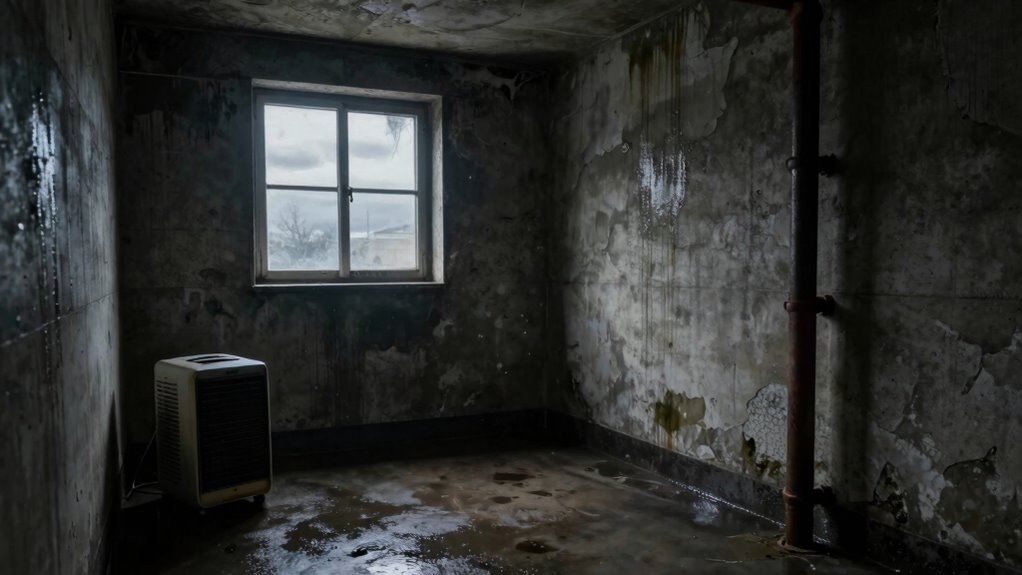

During seasonal shifts, your basement might smell worse because fluctuating temperatures boost moisture levels, creating perfect conditions for mold growth and musty odors. Limited ventilation traps humidity inside, especially with few windows, causing stale air and increased dampness. Condensation on walls or pipes also adds to the problem. If you want to understand how to control these odors effectively and keep your basement fresher, keep exploring the causes behind this seasonal issue.

Get oils, diffusers and self-care delivered free with Prime
- Fast, free delivery on millions of items
- Prime Video, Amazon Music and more included
- Member-only deals all year
Key Takeaways
- Seasonal temperature fluctuations increase indoor humidity, promoting mold growth and musty odors.
- Moisture levels spike during transitions, creating ideal conditions for mold and odor development.
- Poor basement ventilation traps humidity, worsening stale air and musty smells.
- Condensation from temperature changes adds moisture, fueling mold growth and odors.
- Lack of effective moisture control during seasonal shifts intensifies musty smells in basements.
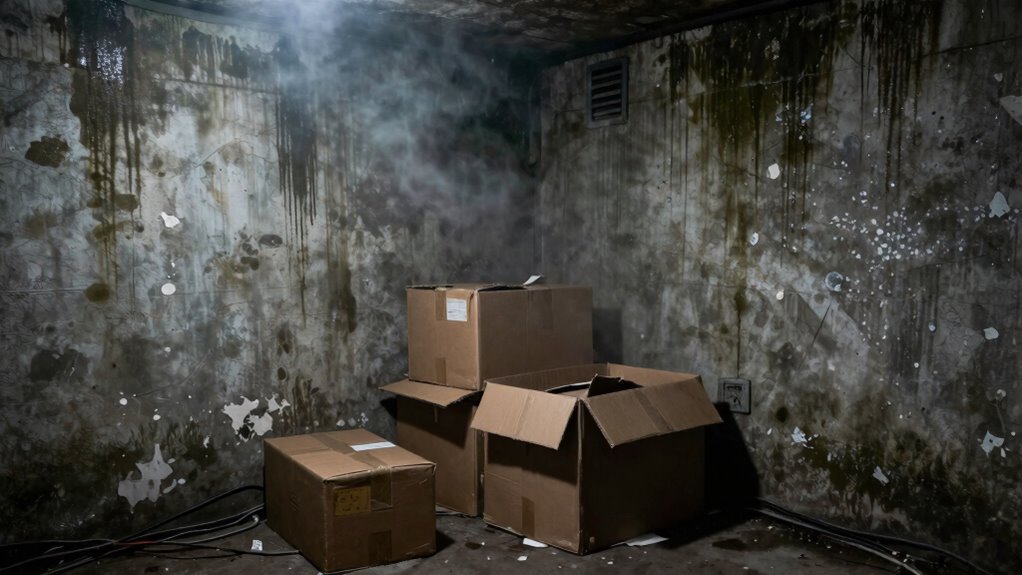
As the seasons shift from winter to spring or summer to fall, you might notice that your basement starts smelling worse than usual. This change in odor isn’t just in your head; it often signals underlying issues like mold growth or ventilation problems. Transitional seasons bring fluctuating temperatures and humidity levels that create the perfect environment for mold to thrive. Mold spores love moist, cool spaces, and when the weather shifts, your basement’s moisture levels can spike unexpectedly. If your basement isn’t properly ventilated, this moisture becomes trapped, providing a breeding ground for mold. As mold grows, it releases musty odors that become more noticeable during these seasonal changes.
Seasonal changes can trap moisture, promoting mold growth and musty odors in your basement.
Ventilation issues are a common culprit behind worsening basement smells during these times. During transitional seasons, you may find yourself opening windows and doors more frequently, but that’s not always enough to improve airflow in your basement. Many basements aren’t designed for good ventilation, especially if they have limited windows or sealed-off spaces. Poor airflow allows humidity to accumulate, creating a damp environment that encourages mold growth and intensifies odors. If you notice a persistent smell that worsens during seasonal changes, it’s likely because stale air and excess moisture are not being properly expelled. Additionally, ventilation problems can be exacerbated by the way your home’s insulation interacts with outdoor temperature fluctuations, further impacting indoor humidity levels. Recognizing the role of indoor humidity can help you better manage and prevent these odors.
The temperature swings common in these seasons also impact your basement’s environment. As it gets warmer or cooler outside, the air inside your home and basement can become more humid or drier, depending on the conditions. These fluctuations can cause condensation on walls, floors, or pipes, increasing moisture levels indoors. Without adequate ventilation, this moisture doesn’t evaporate but instead settles, fostering mold development and amplifying the unpleasant smell. Furthermore, moisture control techniques like dehumidifiers can significantly reduce these issues and prevent odors from worsening. This cycle can quickly turn your basement into a damp, odorous space if you don’t address the underlying issues.
As an affiliate, we earn on qualifying purchases.
Frequently Asked Questions
Can Ventilation Improve Basement Odors During Seasonal Changes?
Yes, ventilation can improve basement odors during seasonal changes. By increasing air circulation with effective ventilation systems, you help remove stale, damp air that causes smells. Regularly opening windows or using exhaust fans boosts airflow, reducing moisture buildup and mold growth. Installing mechanical ventilation systems guarantees continuous fresh air exchange, preventing odors from lingering and making your basement smell fresher, especially during those tricky shifting seasons.
Are Certain Materials More Prone to Mold in Transitional Seasons?
Some materials are more susceptible to mold in changing seasons, especially those prone to moisture retention. For example, porous surfaces like drywall, cardboard, and insulation easily trap humidity, making them mold-prone surfaces. You might think mold only appears in visible spots, but it can grow unseen within these materials. To prevent issues, focus on moisture control and choose mold-resistant materials when renovating or maintaining your basement.
How Does Humidity Affect Basement Smells in Spring and Fall?
Humidity increases basement moisture during spring and fall, making seasonal odors more noticeable. When the air is humid, mold and mildew thrive, releasing musty smells that linger. You might notice these odors intensify after rainy days or periods of high humidity. To keep your basement smelling fresh, control humidity levels with dehumidifiers and guarantee proper ventilation, reducing moisture and preventing seasonal odors from becoming overwhelming.
Do Seasonal Pests Contribute to Basement Odors?
Imagine discovering a foul, musty odor in your basement, only to find pest infestations like silverfish or cockroaches hiding behind boxes. Seasonal pests can indeed contribute to basement odors by bringing in organic waste or causing damage that promotes basement mold growth. These pests leave behind droppings and shed skins, which intensify smells. Regular inspections and pest control help prevent these odors, keeping your basement fresh and mold-free.
What Are Quick Fixes for Sudden Basement Smell Increases?
You can quickly improve sudden basement smell increases by improving air quality and reducing odor absorption. First, open windows and use fans to ventilate the space, helping clear out bad air. Place bowls of activated charcoal or baking soda around to absorb odors effectively. Consider using an air purifier with a HEPA filter to trap airborne particles and freshen the air. These steps can make a noticeable difference fast.
Conclusion
As the seasons shift like a chameleon changing its colors, your basement’s smell becomes a stubborn shadow lurking in the corners. The dampness and temperature swings act like mischievous puppeteers, stirring up musty odors that cling to every wall. To keep it fresh, think of your basement as a quiet garden—regular care and ventilation are the sunlight and water that keep those unwelcome scents at bay. With a little effort, you can restore its peaceful, clean breath.
Halloween Picks
halloween
As an affiliate, we earn on qualifying purchases.