
Consuming high-protein foods can subtly change your body odor because amino acids like methionine and cysteine produce sulfur compounds during digestion, which are released through sweat. These compounds interact with skin bacteria, causing your scent to become sharper or more pungent, especially after large meals or diets rich in protein. While the effect varies among individuals, understanding this process helps you see how diet influences body odor. Keep exploring to learn more about how your metabolism and hygiene play a role.
Key Takeaways
- Consuming high-protein diets can increase sulfur compounds in sweat, potentially intensifying body odor.
- Amino acid breakdown during protein metabolism produces odorous sulfur-containing byproducts excreted through sweat.
- Bacterial activity on sweat interacts with sulfur compounds, leading to a sharper or more pungent body odor.
- Individual factors like hygiene, bacterial flora, and genetics influence how protein intake affects body scent.
- Proper hygiene, hydration, and balanced diet can help manage and reduce odor changes linked to protein consumption.
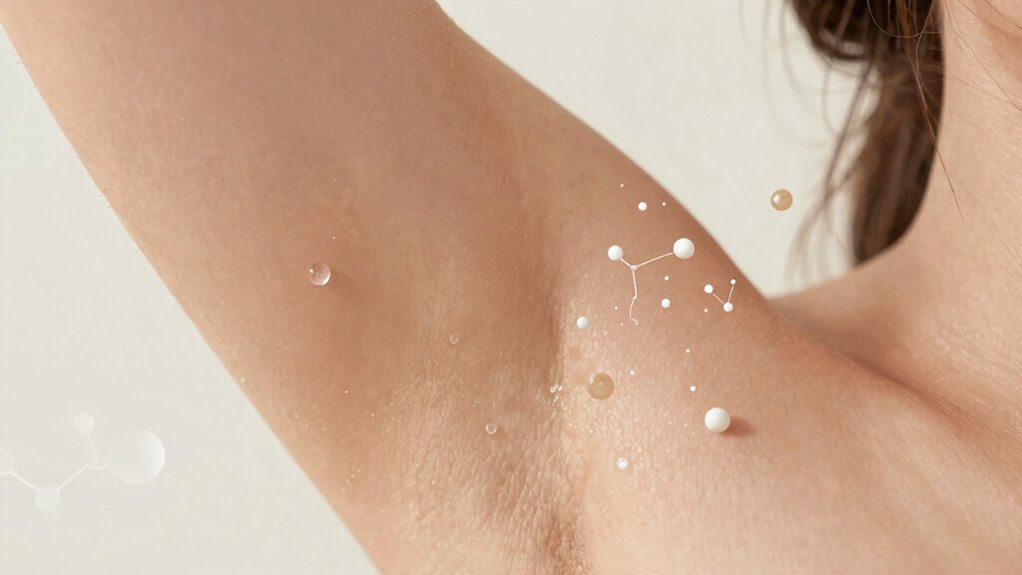
Protein intake can markedly influence your body odor because it affects how your body processes and metabolizes certain compounds. When you consume high-protein foods, your body prioritizes breaking down amino acids, which are the building blocks of proteins. This amino acid breakdown occurs primarily in your liver, but it also impacts other bodily functions, including how your sweat glands operate. As your body metabolizes these amino acids, some byproducts are produced, such as ammonia and sulfur-containing compounds. These substances can be excreted through sweat, and their presence can alter your natural scent.
High-protein diets produce sulfur compounds that can intensify body odor through sweat.
Sweat itself is odorless until it interacts with bacteria on your skin. The bacteria break down sweat components, especially those containing sulfur, releasing odorous compounds. When you consume more protein, especially from sources rich in amino acids like methionine and cysteine, your body might produce more of these sulfur compounds during metabolism. These substances, when excreted through sweat, can intensify body odor, giving it a sharper or more pungent smell. This process explains why some people notice stronger odors after high-protein meals or diets.
The activity of your sweat glands plays a significant role here. Increased amino acid breakdown can lead to heightened sweat gland activity, especially in areas like the underarms, feet, and groin, where sweat tends to accumulate. This heightened activity provides more opportunity for bacteria to act on sweat, releasing odorous compounds more readily. Conversely, some individuals might not notice a change in smell despite high protein intake, because their sweat gland activity or bacterial composition differs.
It’s important to recognize that your body’s response isn’t solely dependent on protein intake. Factors such as hygiene practices, the types of bacteria present on your skin, and overall diet also influence body odor. For instance, consuming foods with strong odors, like garlic or onions, can compound the effect, making your natural scent more noticeable. Additionally, hydration levels, skin pH, and genetics can modulate how much odor is produced and how it’s perceived.
In essence, high protein consumption can subtly influence your body odor by increasing amino acid breakdown and sweat gland activity, which in turn promote the production of odorous compounds. However, this is just one piece of a complex puzzle, and maintaining good hygiene, balancing your diet, and staying hydrated remain essential in managing body odor. Recognizing how metabolism influences odor production is crucial in understanding this process. Understanding this mechanism helps you realize that body scent is a dynamic interplay between diet, metabolism, and bacterial activity, rather than a straightforward consequence of eating protein.

DR. LIFT Antibacterial Body Wash, Refreshing Scent, Hydrating Shower or Bath Cleanser With Citric Acid, Spirulina, and Lemon, Clean Moisturizing Formula, Vegan, Paraben and Phthalate Free, 8 Fl Oz
Perfect for post procedure cleaning
As an affiliate, we earn on qualifying purchases.
As an affiliate, we earn on qualifying purchases.
Frequently Asked Questions
Can Dietary Protein Intake Affect Body Odor Without Changing Overall Smell?
Yes, increasing dietary protein can affect your body odor without changing the overall smell. When you consume more protein, it can alter your sweat composition by increasing certain amino acids and metabolites, which may lead to a stronger or different odor. Dietary fats also influence sweat, so your body’s response to these nutrients can subtly change how your sweat smells, even if the overall scent remains familiar.
Are Certain Types of Protein Supplements More Likely to Cause Odor Issues?
Certain protein supplements, especially those with concentrated protein types like whey isolate or casein, are more likely to cause odor issues. Their formulation can influence how your body processes them, leading to stronger body odor. You might not expect it, but the supplement’s formulation plays a vital role. Choosing gentler options or those with added enzymes can help minimize odor problems and keep you feeling fresh.
How Does Hydration Influence Body Odor Related to Protein Consumption?
Hydration effects play a key role in managing body odor related to protein consumption. When you stay well-hydrated, you promote protein dilution, which helps your body process and eliminate amino acids more efficiently. This reduces the buildup of odor-causing compounds in sweat. Drinking enough water also supports your body’s natural detox processes, making it less likely for protein-related odors to become noticeable. So, prioritize hydration to keep odor under control.
Do Genetic Factors Play a Role in Individual Body Odor Responses to Protein?
Yes, your genetic predisposition influences how your body responds to protein consumption, affecting body odor. If you have heightened odor sensitivity, you may notice stronger or more noticeable odors after eating protein-rich foods. Genetics determine enzyme efficiency and sweat gland activity, which can amplify or diminish odor production. Recognizing your unique genetic factors helps you manage odor better, perhaps by adjusting diet or hygiene routines to suit your body’s responses.
Can Probiotics Help Mitigate Body Odor Caused by High Protein Diets?
Think of your gut as a bustling city, and probiotic strains are the hardworking citizens keeping it clean. Yes, probiotics can help mitigate body odor caused by high protein diets by improving gut health, balancing bacteria, and reducing odor-producing compounds. Incorporate strains like Lactobacillus and Bifidobacterium into your routine, and you’ll likely notice a fresher scent. Maintaining gut health is like having a good neighborhood—less trouble, more harmony.

Secret Clinical Strength 100HR Sweat & Odor, Completely Clean Invisbile Solid Antiperspirant Deodorant for Women, 3X Stress Protection with Hyaluronic Acid, PH Balanced, Completely Clean Scent, 2.6 oz
FIGHTS 3 TYPES OF SWEAT: STRESS, HEAT & ACTIVITY – This Clinical Strength formula is designed to handle…
As an affiliate, we earn on qualifying purchases.
As an affiliate, we earn on qualifying purchases.
Conclusion
So, it’s a surprising coincidence that what you eat, especially protein, might influence your body odor more than you think. But remember, it’s not just about the protein itself—your unique body chemistry and hygiene play big roles too. While it’s tempting to blame your diet, sometimes the real story is hidden in the details you overlook. Keep an eye on your habits, and you might find the unexpected connection that changes everything.
Hanes Men's Sweat Block Undershirt, Underarm Sweat Blocking Tee, White Crewneck T-Shirt, 3-Pack
BLOCKS UNDERARM SWEAT FROM SHOWING – Innovative underarm sweat block zones are designed to protect shirts against underarm…
As an affiliate, we earn on qualifying purchases.
As an affiliate, we earn on qualifying purchases.

Happy V Dr. Formulated Vaginal Probiotics for Women Odor & Itch Support, Urinary & Gut Health, pH Balance | Womens Daily Probiotic with Patented Prebiotics & Lactobacillus for Feminine Wellness
Women’s probiotic for vaginal & digestive balance Formulated with clinically studied Lactobacillus strains to support pH balance, vaginal…
As an affiliate, we earn on qualifying purchases.
As an affiliate, we earn on qualifying purchases.