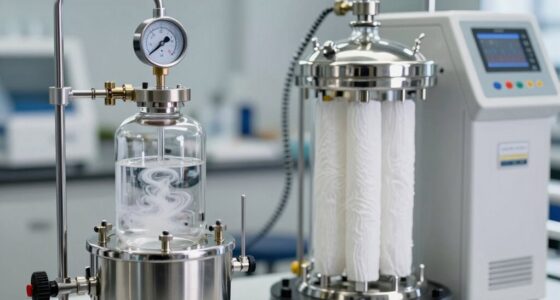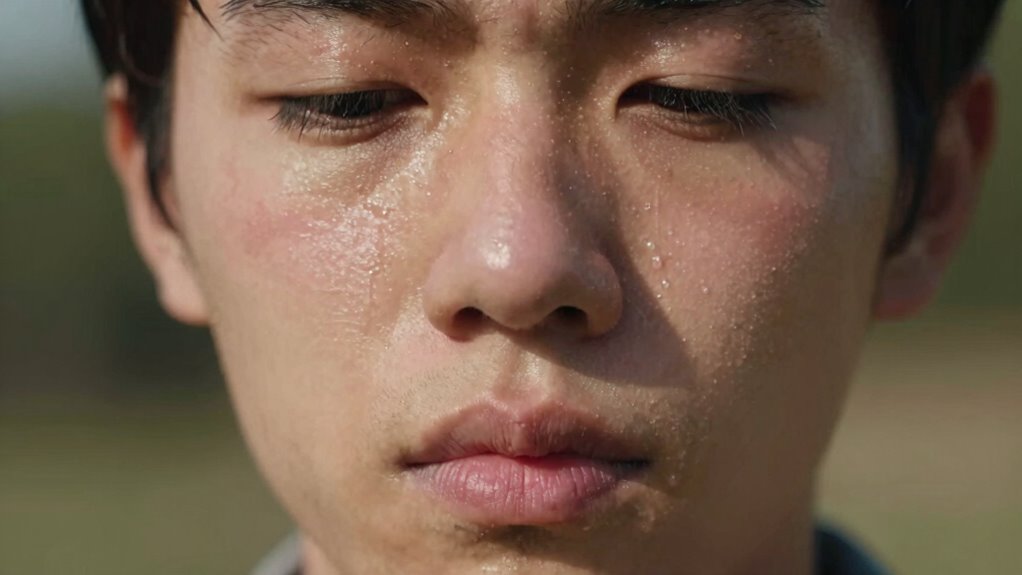

When you’re dehydrated, your body produces less sweat, and the sweat you do produce becomes thicker and more concentrated. This sticky sweat traps bacteria and dead skin cells on your skin, leading to stronger odors. Additionally, dry skin promotes bacterial growth, which breaks down sweat into smelly substances. Proper hydration keeps your skin moist and helps flush out toxins, preventing smell from worsening. To learn more about how water affects body odor, keep exploring.

Get oils, diffusers and self-care delivered free — and shop member deals
- Fast, free delivery on millions of items
- Access to Prime Big Deal Days deals on October 6–7
- Prime Video, Amazon Music and more included
Key Takeaways
- Dehydration reduces sweat production, leading to concentrated sweat that produces a stronger odor.
- Dry skin from dehydration promotes bacterial growth, increasing the breakdown of sweat into smelly compounds.
- Thicker, stickier sweat traps bacteria and dead skin cells, intensifying body odor.
- Lack of water impairs toxin elimination via sweat, causing toxin buildup and stronger body smell.
- Proper hydration maintains skin moisture and bacterial balance, helping reduce body odor.
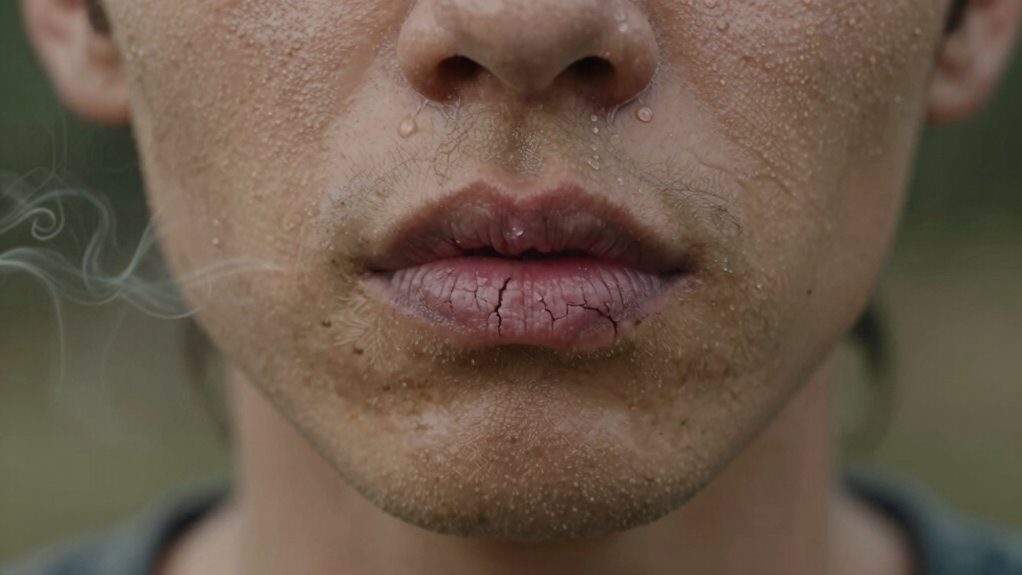
Dehydration can considerably impact your body’s natural processes, including how you smell. When you’re not drinking enough water, your body struggles to regulate temperature effectively, which influences your sweat production. Hydration and sweat are closely connected; adequate water intake helps your body produce a steady, diluted sweat that can carry away odor-causing substances. But when you’re dehydrated, sweat becomes more concentrated and less efficient at flushing out toxins and bacteria. As a result, sweat tends to have a stronger, more pronounced smell, especially in areas like your armpits and feet, where sweat tends to accumulate.
Dehydration intensifies body odor by thickening sweat and promoting bacterial growth.
Your skin bacteria also play a pivotal role in body odor, and dehydration can upset their balance. Sweat itself is odorless; it’s the bacteria on your skin that break down sweat into smelly compounds. When you’re dehydrated, the skin’s moisture levels drop, creating a dry environment where bacteria can thrive and multiply more rapidly. This imbalance leads to increased bacterial activity, which amplifies body odor. Without enough water, your skin becomes less effective at washing away bacteria naturally, giving these microbes more time to produce unpleasant smells.
Furthermore, dehydration causes your sweat to become thicker and stickier, trapping bacteria and dead skin cells on your surface. This creates a perfect breeding ground for bacteria that produce foul odors. Since your body isn’t producing enough, or adequately diluted, sweat, these bacteria have more opportunity to metabolize sweat into smelly substances. The result is a noticeable increase in body odor, especially in areas with dense sweat glands.
In addition, dehydration hampers your body’s ability to detoxify through sweating. When you’re well-hydrated, sweat helps eliminate toxins that can contribute to body odor. But with less water, toxins build up in your system and may be expelled through your skin, intensifying the smell. This cycle perpetuates the problem: dehydration leads to less effective sweat, more bacterial growth, and stronger odors.
Another important factor is that dehydration can reduce the efficiency of your body’s natural detoxification processes, further contributing to body odor. Staying properly hydrated keeps your sweat more diluted and less likely to foster bacterial overgrowth. It supports your skin’s ability to shed dead cells and bacteria naturally, reducing odor. Drinking enough water also helps maintain your skin’s moisture barrier, preventing dryness that encourages bacterial imbalance. Essentially, good hydration not only regulates your body temperature but also keeps your skin environment less hospitable to bacteria, helping you smell fresher. So, if you want to keep body odor in check, prioritize hydration—not just for health, but also for your confidence and comfort.
As an affiliate, we earn on qualifying purchases.
Frequently Asked Questions
Can Dehydration Cause Bad Breath?
Yes, dehydration can cause bad breath because it reduces saliva production, which normally helps wash away bacteria and food particles in your mouth. To combat this, maintain good oral hygiene by brushing and flossing regularly. Also, follow hydration tips like drinking plenty of water throughout the day to keep your mouth moist and fresh. Staying hydrated supports oral health and helps prevent bad breath caused by dehydration.
Does Dehydration Affect Sweat Composition?
Imagine your body as a busy factory; dehydration changes the production line, affecting sweat composition. When you’re dehydrated, your sweat has higher mineral content, which interacts with skin bacteria more intensely. This creates stronger odors and alters how sweat feels and smells. So, yes, dehydration affects sweat composition by increasing mineral levels, leading to more noticeable body odors due to the skin bacteria interaction.
How Quickly Does Dehydration Impact Body Odor?
Dehydration can cause odor onset within a few hours, especially if you haven’t hydrated properly. When your hydration timing is off, your body produces more concentrated sweat, which can lead to a stronger, more noticeable body odor. The sooner you increase your water intake, the better you can prevent or reduce this smell. Staying consistently hydrated helps maintain balanced sweat composition and keeps odor at bay.
Are Certain Foods More Likely to Cause Dehydration-Related Odor?
If you eat foods high in salt or drink lots of caffeine, you’re more likely to experience dehydration-related odor. Imagine someone at a salty snack party, noticing their body smells stronger by the end of the night. Salt causes your body to hold onto water, leading to less hydration, while caffeine acts as a diuretic, increasing fluid loss. Both can intensify odor when you’re not drinking enough water.
Can Dehydration-Related Odor Be Reversed With Hydration?
Yes, dehydration-related odor can often be reversed with proper hydration. By implementing effective hydration strategies, you can flush out toxins and reduce the smell. Drinking plenty of water helps dilute sweat and promotes odor prevention. Consistently staying well-hydrated supports your body’s natural processes, making it easier to manage and eliminate body odor caused by dehydration. Make hydration a priority to improve your scent and overall comfort.
Conclusion
So, next time you skip that glass of water, remember it’s not just about feeling thirsty—it’s like your body’s own perfume turning sour. Without enough hydration, sweat becomes a neglected garden, breeding bacteria that send out unpleasant scents. Keep your water bottle close, and imagine your body as a vibrant, fresh breeze instead of a stuffy, smelly room. Staying hydrated helps your natural aroma stay light and clean, making you feel confident and refreshed all day long.
Fall Picks
fall essentials
As an affiliate, we earn on qualifying purchases.