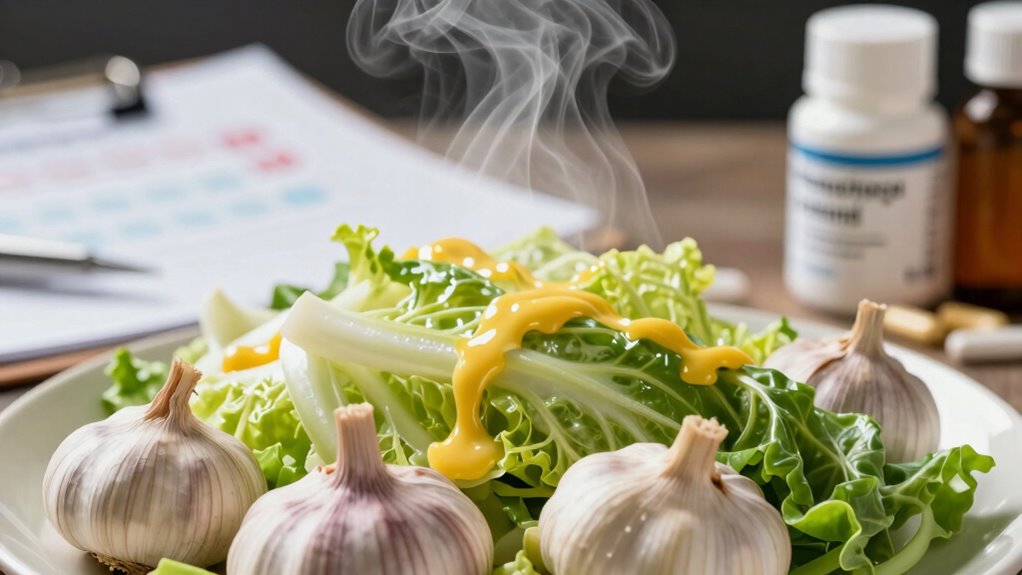
Sulfur burps happen when your digestive system releases sulfur gases, usually after eating foods like eggs, garlic, and cabbage. Infections, such as Helicobacter pylori, can also disrupt digestion and increase sulfur gas production. Medications, especially antibiotics and antacids, may affect gut bacteria and worsen symptoms. By understanding these causes, you can take steps to manage your symptoms effectively. If you want more details on how foods, infections, and medications influence sulfur burps, keep exploring this topic.

Get oils, diffusers and self-care delivered free with Prime
- Fast, free delivery on millions of items
- Prime Video, Amazon Music and more included
- Member-only deals all year
Key Takeaways
- Foods high in sulfur, like eggs, garlic, and broccoli, release sulfur compounds that cause rotten egg burps.
- Infections such as Helicobacter pylori can disrupt digestion and increase sulfur gas production.
- Medications like antibiotics and antacids can alter gut flora, influencing sulfur burp frequency.
- Lifestyle factors, including meal size and eating habits, impact sulfur gas buildup and burp occurrence.
- A combination of dietary changes, medical treatment, and lifestyle adjustments effectively manages sulfur burps.
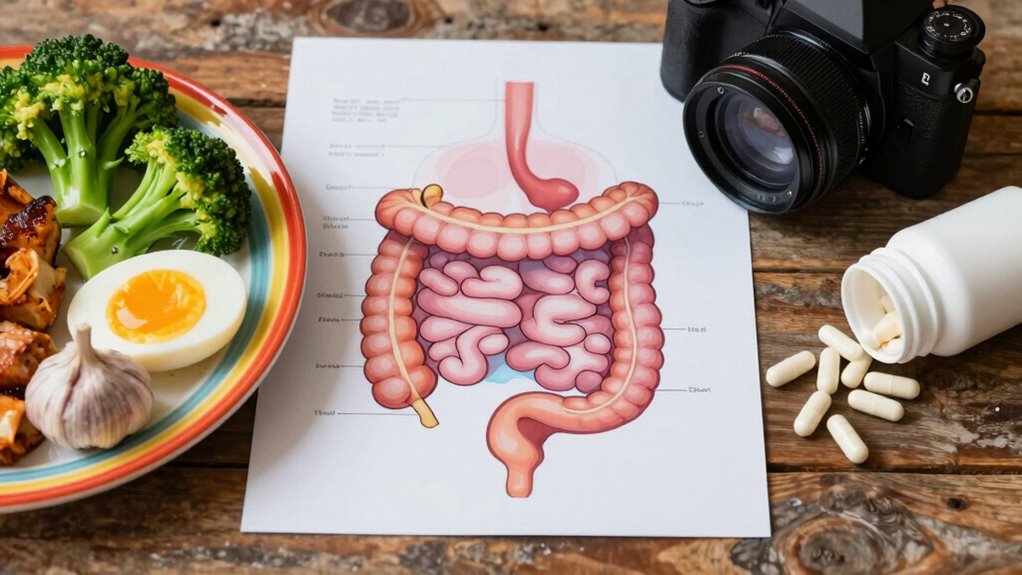
Have you ever experienced a sudden, foul-smelling burp that leaves a lingering sulfuric odor? If so, you’re not alone. Sulfur burps can be unsettling and embarrassing, but understanding what causes them can help you manage and potentially reduce their frequency. Often, these burps are linked to diet implications, which play a vital role in symptom management. The foods you eat directly influence whether you’ll experience sulfuric emissions. For instance, foods high in sulfur, like eggs, garlic, onions, and certain vegetables such as broccoli and cabbage, are common culprits. When these foods are digested, they release sulfur compounds that can produce those characteristic rotten egg smells during burping. Limiting or avoiding such foods can make a noticeable difference, especially if you notice a pattern correlating certain meals with sulfur burps.
Sulfur-rich foods like eggs, garlic, and cabbage often cause foul-smelling burps.
However, diet isn’t the only factor. Sometimes, sulfur burps are a symptom of underlying health issues or infections. Infections caused by bacteria like Helicobacter pylori or other gastrointestinal pathogens can disrupt normal digestion and lead to excess production of sulfur gases. Medications, especially antibiotics or those that influence stomach acidity, can also alter your gut environment, making it easier for bacteria to produce sulfur compounds. If you suspect an infection, it’s crucial to seek medical advice for proper diagnosis and treatment, which can considerably improve symptom management and reduce unpleasant burps.
Medications can sometimes exacerbate the problem, but they can also be part of your solution. Antacids, for example, may help neutralize stomach acids and reduce symptoms, including sulfur burps. Probiotics might also support a healthier gut flora, decreasing the bacteria responsible for producing sulfur gases. When managing sulfur burps, it’s important to think about your overall diet and medication use. Adjusting your intake of sulfur-rich foods and consulting your healthcare provider about your medications can help you develop a tailored plan that minimizes these episodes. Additionally, incorporating hydrotherapy techniques like warm water baths or hydrotherapy-based relaxation can support digestive health and ease discomfort.
In addition to dietary modifications, lifestyle changes such as eating smaller, more frequent meals and avoiding overeating can improve digestion and reduce the likelihood of sulfur burps. Staying upright after meals and avoiding swallowing excess air—like from chewing gum or smoking—also helps. Ultimately, effective symptom management involves a combination of dietary awareness, medical guidance, and lifestyle adjustments. By paying attention to what triggers your sulfur burps, you can implement strategies that reduce their occurrence and make your digestive experience more comfortable.
As an affiliate, we earn on qualifying purchases.
Frequently Asked Questions
Can Sulfur Burps Be a Sign of a Serious Health Condition?
Sulfur burps can sometimes signal serious health concerns, especially if they occur frequently or are accompanied by other symptoms like severe stomach pain, vomiting, or fever. You should pay attention to the symptom severity and seek medical advice if these burps persist or worsen. While often caused by minor issues like diet or infections, persistent or intense sulfur burps might indicate underlying conditions needing prompt diagnosis and treatment.
How Long Do Sulfur Burps Typically Last?
Ever wonder how long sulfur burps last? Their duration varies based on causes like diet, infection, or medication. Typically, they last a few hours to a day, but pattern fluctuations can occur. To manage symptoms effectively, focus on identifying triggers and maintaining good digestion habits. If sulfur burps persist beyond a few days or worsen, it’s wise to consult a healthcare professional for proper diagnosis and treatment.
Are There Specific Foods That Trigger Sulfur Burps?
Certain diet triggers and food sensitivities can cause sulfur burps. Foods like eggs, garlic, onions, and cruciferous vegetables such as broccoli and cabbage are common culprits. When you consume these, your body may produce excess sulfur gases, leading to burps with a foul smell. Pay attention to your reactions and consider reducing these foods if sulfur burps become frequent, helping you manage the symptoms better.
Do Probiotics Help Reduce Sulfur Burps?
Yes, probiotics can help reduce sulfur burps by improving gut flora balance. Specific probiotic strains, like Lactobacillus and Bifidobacterium, promote healthy digestion and decrease the bacteria that produce sulfur gases. When you take probiotics regularly, you support your gut’s natural ecosystem, which can lessen sulfur burps over time. Just choose a supplement with effective strains and consult your healthcare provider to find the best option for you.
When Should I See a Doctor for Sulfur Burps?
You should see a doctor if sulfur burps persist despite diet management and symptom tracking, especially if they’re accompanied by severe stomach pain, nausea, vomiting, or other concerning symptoms. Persistent sulfur burps could signal an infection or underlying issue needing medical attention. Don’t overlook ongoing discomfort; timely consultation ensures proper diagnosis and treatment, helping you find relief faster and prevent complications.
Conclusion
Just as Pandora’s box unleashed unforeseen troubles, sulfur burps can stem from many sources—foods, infections, or meds. By understanding their origins, you hold the key to relief, much like Prometheus bringing fire to mankind. Managing these causes may seem intimidating, but with knowledge, you can tame the fiery whispers of sulfur. Remember, awareness is your shield—turning a potential ordeal into an opportunity for healing and control.
Halloween Picks
halloween
As an affiliate, we earn on qualifying purchases.