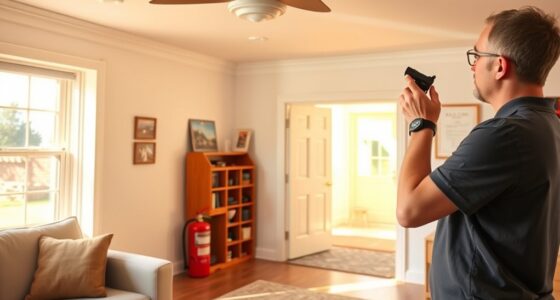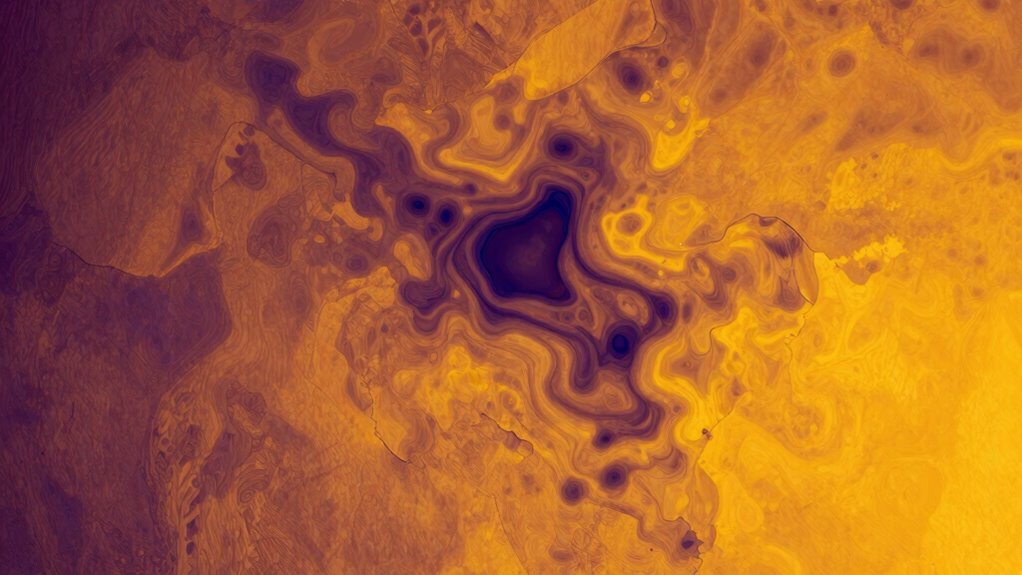

Thermal imaging helps you find hidden leaks and moisture without guesswork by detecting temperature differences behind walls, ceilings, and floors. Simply point the thermal camera at suspect areas; it visualizes cool spots caused by moisture, making leaks easy to spot. This non-invasive method saves time and money, revealing moisture issues before they worsen. To discover more tips on using thermal imaging effectively, keep exploring how this technology can protect your property.
Key Takeaways
- Use thermal cameras to detect temperature anomalies indicating hidden moisture behind walls, ceilings, or floors.
- Identify cooler spots that suggest water intrusion or damp insulation without invasive digging.
- Interpret thermal images carefully, considering normal patterns to distinguish genuine leaks from false positives.
- Combine thermal imaging with moisture meters for confirmation of suspected leak areas.
- Conduct regular scans to catch early signs of moisture issues, preventing costly repairs and structural damage.

Have you ever wondered how to detect hidden moisture problems without invasive inspections? Thermal imaging offers a quick, accurate way to spot moisture issues behind walls, ceilings, and floors without the need for disruptive digging or drilling. When you use thermal cameras, you can see temperature differences in surfaces that may indicate the presence of moisture. Warm or cool spots on a wall could reveal areas where water has seeped in, even if the surface appears perfectly normal. This technology is invaluable for insulation inspection because damp insulation often conducts heat differently than dry materials, making thermal imaging an effective tool for identifying insulation problems caused by leaks or condensation. Additionally, thermal imaging can help detect electrical issues early by revealing areas where moisture might cause corrosion or short circuits. In addition to locating moisture, thermal imaging plays a pivotal role in ensuring electrical safety. Hidden moisture can cause electrical components to corrode or short-circuit, creating potential fire hazards. By scanning electrical panels, wiring, and outlets, you can identify areas where moisture may be lurking, reducing the risk of electrical failures. The ability to detect moisture early helps you prevent costly repairs and keeps your property safe. When you perform a thermal inspection, it’s essential to understand that temperature differences are key indicators, but interpreting these differences correctly is equally important. An experienced eye can distinguish between normal thermal variations and those caused by hidden moisture, ensuring you don’t overlook potential problems.
Using thermal imaging for moisture detection is straightforward and non-invasive. You simply point the camera at suspect areas, and the device produces a visual map of temperature variations. This process allows you to quickly identify spots that need further investigation or remediation. If you notice unusual thermal patterns, you can confirm the presence of moisture with additional tools, such as moisture meters, or by conducting targeted inspections. This proactive approach helps you address issues before they develop into extensive damage, saving you time and money in the long run.

HF96 Thermal Camera with AI Scene Detection, Laser Pointer, 240×240 Super Resolution, -4°F~1022°F, Thermal Imaging Camera for HVAC Electrical Building Inspection,25Hz Infrared Camera,11h Runtime
【AI Scene Recognition with IntellFault】HF96 features HSFTOOLS' unique IntellFault technology for automated scene detection. Powered by deep learning,…
As an affiliate, we earn on qualifying purchases.
As an affiliate, we earn on qualifying purchases.
Frequently Asked Questions
Can Thermal Imaging Detect Moisture in Concrete or Brick Walls?
Yes, thermal imaging can detect moisture in concrete or brick walls because moisture alters thermal conductivity, affecting heat transfer. When you use a thermal camera, you’ll see cooler spots where moisture is present since water conducts heat differently than dry materials. This allows you to identify hidden leaks without guesswork, as the temperature differences reveal moisture intrusion that’s otherwise invisible to the naked eye.
What Are the Limitations of Thermal Cameras in Moisture Detection?
You should know that thermal cameras have limitations in moisture detection. False positives can occur if other factors, like temperature changes or external heat sources, interfere with readings. Additionally, limited resolution might prevent you from pinpointing small leaks or moisture areas accurately. These factors mean you can’t solely rely on thermal imaging; it’s best combined with other inspection methods for accurate results.
How Does Ambient Temperature Affect Thermal Imaging Accuracy?
You should know that ambient temperature considerably impacts thermal imaging accuracy. When the ambient temperature is close to the surface temperature, thermal sensitivity decreases, making it harder to detect moisture. If the temperature difference is large, you’ll get clearer images. To improve results, perform scans during times of stable, moderate ambient temperatures, and guarantee your thermal camera has high thermal sensitivity. This helps you identify hidden leaks more reliably.
Is Special Training Required to Interpret Thermal Images for Moisture?
You don’t necessarily need special training to interpret thermal images for moisture, but understanding training requirements and certification standards can considerably improve your accuracy. Proper training helps you recognize subtle temperature differences and avoid misdiagnosis, ensuring reliable results. Certification standards verify your proficiency, giving you confidence in your assessments. By gaining these skills, you can accurately identify hidden leaks and moisture issues, making your thermal imaging efforts more effective and trustworthy.
How Cost-Effective Is Thermal Imaging Compared to Traditional Moisture Detection Methods?
Thermal imaging is generally more cost-effective than traditional moisture detection methods when you consider the cost comparison and budget analysis. It allows you to quickly locate hidden leaks without extensive invasive testing, saving time and labor costs. Although the initial investment might be higher, the accuracy and efficiency reduce overall expenses, making thermal imaging a smart choice for ongoing maintenance and damage prevention.

Fieldpiece – DR82 Infrared Refrigerant Leak Detector – Ultra-Sensitive Leak Sniffer with Large, Backlite LCD Screen – Lightweight HVAC Tool
Detects Micro Leaks Fast: Ultra-sensitive infrared finds <0.03 oz/yr leaks, 20x more sensitive than bubbles
As an affiliate, we earn on qualifying purchases.
As an affiliate, we earn on qualifying purchases.
Conclusion
Using thermal imaging makes detecting hidden leaks simple and accurate, saving you time and money. Some might worry it’s too expensive or complicated, but with user-friendly cameras and easy-to-follow methods, you’ll find it’s worth the investment. Don’t guess where leaks hide—see them clearly without tearing everything apart. Embrace this technology, and you’ll resolve moisture issues quickly, keeping your home safe and dry. It’s a smart move for any homeowner wanting peace of mind.

TOPDON TC004 Mini Thermal Imaging Camera, 240 x 240 TISR Resolution, 15-Hour Battery Life, 128 x 128 IR Resolution, 25Hz Handheld Infrared Camera with High/Low Temp Alerts, Auto Shutdown- Blue
【Enhanced Thermal Clarity】Start with 128×128 thermal imaging and enhance to 240×240 resolution with TISR technology for greater details….
As an affiliate, we earn on qualifying purchases.
As an affiliate, we earn on qualifying purchases.

FLIR MR160 Imaging Moisture Meter with IGM Technology: Thermal Imaging, Pin & Pinless Detection, 80×60 Resolution, METERLiNK App, Rechargeable Battery – for Home Inspection & Mold Remediation
INFRARED GUIDED MEASUREMENT: Pinpoint hidden issues instantly with the 80×60 Lepton thermal imager that visually guides you to…
As an affiliate, we earn on qualifying purchases.
As an affiliate, we earn on qualifying purchases.