

TL;DR

Get oils, diffusers and self-care delivered free with Prime
- Fast, free delivery on millions of items
- Prime Video, Amazon Music and more included
- Member-only deals all year
A longitudinal study of 634 mother-infant pairs in South Africa found that continuous prenatal exposure to both alcohol and tobacco was associated with greater differences in infants’ facial size, shape and growth than no exposure or either exposure alone. The findings were most pronounced at one month and remained detectable at one year, but the observational study cannot establish that co-exposure caused the differences.
A South African longitudinal study found that babies exposed to both alcohol and tobacco during pregnancy had greater differences in facial size, shape and growth than babies with no exposure or exposure to either substance alone. The researchers, led by Michael Suttie of the University of Oxford, assessed 3D facial scans at one month and one year; the observational findings show an association, not proof that the exposures caused the differences.
The analysis drew on the Safe Passage Study, a prospective cohort that followed more than 7,000 pregnancies in low-income communities in Cape Town, South Africa. Researchers focused on 634 infants with facial scans at both one month and one year, as well as information about prenatal substance exposure. The analysis excluded pregnancies involving reported illicit drug use, including marijuana, and infants with genetic diagnoses.
Researchers grouped infants by mothers’ reported exposure: 152 had no exposure, 48 had continuous alcohol-only exposure, 149 continuous smoking-only exposure, 150 continuous exposure to both substances, and 135 continuous smoking with alcohol use at any point. Exposure information came from interviews at prenatal visits, which recorded frequency and quantity. Continuous exposure meant exposure in the first trimester and in at least one later trimester.
Compared with the unexposed and single-exposure groups, continuous co-exposure was associated with smaller facial size, with the difference driven by girls. Co-exposure was also associated with greater facial dysmorphism overall, with the strongest difference at one month and a statistically significant difference still present at one year. The researchers reported consistent midline displacement and outward movement of the inner corners of the eyes at both ages. Among boys, co-exposure was linked to reduced nasal growth and smaller noses at one year.
How Combined Exposure May Affect Growth
The findings add evidence that combined prenatal exposures may be associated with different outcomes than either exposure by itself. In this study, the single-exposure groups did not show facial-size differences compared with controls, while the co-exposure group did. That pattern makes it relevant to prenatal care discussions about alcohol and smoking together, rather than considering each exposure in isolation.
The study does not establish that the combination has a biological effect beyond adding the risks of each substance, nor does it show that every exposed infant will have visible differences. The authors said both substances are known teratogens and suggested that nicotine-related effects on oxygen and nutrient delivery could compound alcohol-related disruption during facial development. That explanation is a proposed mechanism, not something this study directly tested.
The researchers said the findings support efforts to address both alcohol use and smoking during pregnancy. They do not quantify how much an intervention would change a child’s risk, and the analysis was not a trial of cessation programs. Its contribution is evidence from repeated infant imaging that facial differences associated with co-exposure were present at two ages.
Products Worth Considering
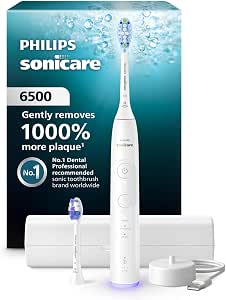
Philips Sonicare 6500 Series Rechargeable Electric Toothbrush with 2 Brush Heads, White

Therabody Theragun Relief Massage Gun, 3-Speed, Black

Therabody SleepMask with Vibration
As an affiliate, we earn on qualifying purchases.
The Study’s South African Cohort
The Safe Passage Study provided a large pregnancy cohort, but the facial-imaging analysis was limited to 634 infants with the required scans and exposure data. The cohort came from low socioeconomic communities in Cape Town, a setting the report describes as having high rates of alcohol use during pregnancy. Most participants were of mixed ancestry, described in the source report as South African Colored.
Researchers used 3D scans at one month and one year to examine facial shape, size and growth. The study report notes that craniofacial development involves processes that can be disrupted by prenatal exposures. It also cites prior evidence of sex-specific vulnerability to alcohol exposure, a possible context for the reported differences between girls and boys. The study’s results should not be assumed to apply in the same way to populations with different genetic backgrounds or circumstances.
“Findings highlight tobacco’s potentiating effect on alcohol-related craniofacial harm.”
— Michael Suttie and colleagues
Limits on Interpreting the Findings
The study was observational, so it cannot show that alcohol and tobacco exposure caused the measured facial differences or determine whether the combination has a specific additive effect. Exposure was assessed through interviews during pregnancy, and the analysis does not remove every possible influence on infant growth. The researchers noted that maternal nutritional deficiencies could modify outcomes.
The imaging also required infants to be scanned while asleep, a practical limitation identified by the authors. Only a subset of the original cohort had scans at both ages and the exposure data needed for analysis. The researchers said generalizability to populations with different genetic profiles is unknown. The report does not establish whether the observed differences affect children’s later health or development, or how individual risk varies with the amount and timing of exposure.
Implications for Prenatal Care
The study report does not specify a planned follow-up study or a next publication date. Its authors call for clinicians and health authorities to address concurrent alcohol and tobacco use during pregnancy in prevention and cessation efforts. The findings may inform those discussions, but they do not measure the effectiveness of any particular intervention.
Further research would be needed to test whether the associations hold in other populations, account more fully for factors such as maternal nutrition, and clarify how exposure timing and quantity relate to facial development. Until then, the reported results should be understood as evidence of an association in this South African cohort, with causation and broader applicability still unresolved.
Key Questions
What did the study find?
In a South African cohort, continuous exposure to both alcohol and tobacco during pregnancy was associated with greater facial differences in infants than no exposure or either exposure alone. Differences were strongest at one month and remained statistically significant at one year.
Did the study prove that alcohol and smoking caused the differences?
No. The research was observational and found an association. It cannot establish that the exposures caused the facial differences or determine whether their combined effect was more than additive.
Were the findings the same for boys and girls?
No. The reported reduction in facial size was driven by girls, including differences in facial growth and measurements around the eyes. For boys, co-exposure was linked to reduced nasal growth and smaller noses at one year.
How many infants were included in the analysis?
The analysis included 634 infants with 3D facial scans at one month and one year and available prenatal exposure information, drawn from a larger study of more than 7,000 pregnancies.
Can these findings be applied to all populations?
That is not known. The researchers identified uncertainty about generalizing the results to populations with different genetic profiles, and the analysis came from a specific group of communities in Cape Town.
Source: medpagetoday.com