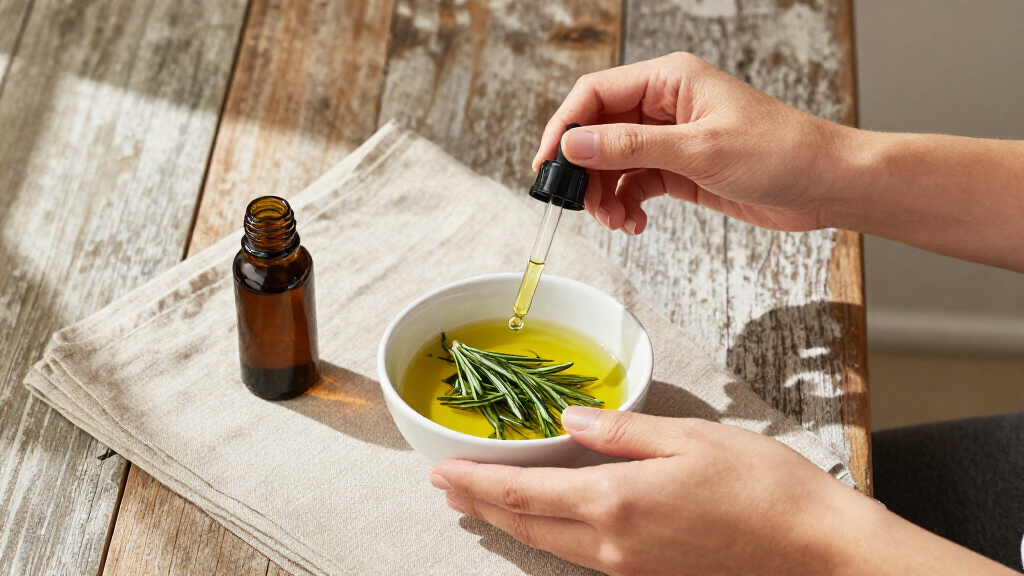
For most cooks, I’d start with the Viva Doria Food-Grade Essential Oils Set: its variety makes it easier to match a flavor to a recipe than buying one large bottle of lemon oil. For frequent lemon users, Zongle Therapeutics Lemon Essential Oil offers a larger 4-ounce format, while Young Living Thyme Vitality suits cooks seeking a focused savory flavor. The main tradeoff is variety versus volume, with single oils also differing in flavor fit and bottle size. Because essential oils are highly concentrated, food-grade labeling and careful dosing matter as much as the flavor selection. Read on for the full comparison and advice on choosing an oil that fits your cooking habits.

Get oils, diffusers and self-care delivered free with Prime
- Fast, free delivery on millions of items
- Prime Video, Amazon Music and more included
- Member-only deals all year
Key Takeaways
- The Viva Doria set offers the broadest starting point: a range of food-grade oils can cover more recipes than a single-flavor bottle, though cooks who already know their preferred flavor may not need a set.
- Zongle’s 4-ounce lemon bottle stands apart on volume: it is the lineup’s clearest fit for frequent lemon-oil use, while the Viva Doria 30 mL bottle is a smaller commitment.
- The two Young Living thyme sizes serve different habits: the 5 mL bottle suits occasional use, while the 15 mL format makes more sense for cooks who use thyme oil regularly.
- Flavor choice matters more than the word “natural”: lemon is broadly adaptable, while thyme, clove, and bergamot call for more specific recipe matches.
- These products are not interchangeable as pantry staples: check that the label identifies the oil for food use, and use tiny amounts rather than substituting it spoon-for-spoon for fresh herbs or zest.
| Viva Doria Food-Grade Essential Oils Set |  | Best for Variety | Set contents: Lemon, orange, peppermint, lavender, and eucalyptus essential oils | Intended use: Diffuser and food-grade applications | Bottle material: Amber glass | VIEW LATEST PRICE | See Our Full Breakdown |
| Zongle Therapeutics 100% Pure Food-Grade Lemon Essential Oil, 4 oz |  | Best for a Larger Lemon Supply | Oil: Lemon essential oil | Purity: Described as 100% pure | Grade: Food grade | VIEW LATEST PRICE | See Our Full Breakdown |
| Viva Doria 100% Pure Lemon Essential Oil, 30 mL (1 fl oz) |  | Best Compact Citrus Pick | Oil: Lemon essential oil | Purity: Described as 100% pure and undiluted | Grade: Food grade | VIEW LATEST PRICE | See Our Full Breakdown |
| Young Living Thyme Vitality Essential Oil, 5 ml |  | Best for Savory Cooking | Volume: 5 ml | Flavor: Bold, herbaceous thyme | Intended use: Culinary seasoning | VIEW LATEST PRICE | See Our Full Breakdown |
| Young Living Clove Vitality Essential Oil, 5 ml |  | Best for Baking and Warm Spice | Brand: Young Living | Product: Clove Vitality essential oil | Volume: 5 ml | VIEW LATEST PRICE | See Our Full Breakdown |
| Young Living Bergamot Vitality Essential Oil, 5 ml |  | Best for Citrus Drinks and Desserts | Brand: Young Living | Product type: Culinary essential oil | Flavor: Bergamot citrus | VIEW LATEST PRICE | See Our Full Breakdown |
| Young Living Thyme Vitality Essential Oil, 15 ml |  | Best for Savory Cooking | Brand: Young Living | Product type: Culinary essential oil | Flavor: Thyme | VIEW LATEST PRICE | See Our Full Breakdown |
| natural essential oils for cooking | Volume | Flavor | Brand |
|---|---|---|---|
| Viva Doria Food-Grade Essentia | — | — | — |
| Zongle Therapeutics 100% Pure | — | — | — |
| Viva Doria 100% Pure Lemon Ess | 30 mL (1 fl oz) | — | — |
| Young Living Thyme Vitality Es | 5 ml | Bold, herbaceous thyme | Young Living |
| Young Living Clove Vitality Es | 5 ml | Spicy clove | Young Living |
| Young Living Bergamot Vitality | 5 ml | Bergamot citrus | Young Living |
| Young Living Thyme Vitality Es | 15 ml | Thyme | Young Living |
More Details on Our Top Picks
Viva Doria Food-Grade Essential Oils Set
For cooks who want several flavor directions in one purchase, the Viva Doria Food-Grade Essential Oils Set stands apart from the single-oil bottles here. Lemon and orange can lend citrus notes to suitable recipes, while peppermint and lavender offer more specific uses; eucalyptus is also included, though the listing does not explain culinary applications for each oil. The five-oil assortment makes this a flexible starting point, but the unspecified bottle sizes make it hard to judge how much of each oil you receive. Unlike the clearly sized Zongle lemon oil, this set also lacks dilution and usage instructions in the product details. I would choose it for scent variety and gift presentation, not for cooks who need precise recipe guidance.
Pros:- Includes five distinct oils: lemon, orange, peppermint, lavender, and eucalyptus
- Amber glass bottles help shield the oils from light
- Child-resistant caps add a practical safety feature
- Magnetic-closure gift box suits gifting
Cons:- Bottle sizes are not specified
- The description gives no dilution or culinary usage instructions
- The listed oils vary in culinary usefulness, and the product details do not clarify suitable applications for each
Best for: Home cooks who already know how to handle food-grade essential oils and want several distinct oils in a gift-ready set.
Not ideal for: Beginners seeking clear culinary dosing advice, or cooks who want a specified volume of a particular oil.
- Set contents:Lemon, orange, peppermint, lavender, and eucalyptus essential oils
- Intended use:Diffuser and food-grade applications
- Bottle material:Amber glass
- Cap type:Child-resistant caps
- Gift box:Magnetic closure
- Country of packaging:USA
Our verdict“Choose this set for broad scent variety and gift presentation, but pick a single-oil product if you need defined volume or clearer cooking guidance.”
Zongle Therapeutics 100% Pure Food-Grade Lemon Essential Oil, 4 oz
The 4-ounce size gives the Zongle Therapeutics lemon oil a clear role: it suits cooks who expect to reach for lemon flavor repeatedly, rather than buyers who want a small sampler. It is described as 100% pure and food grade, with cooking and baking among its intended uses, and the listing also names GCMS and microbial testing. That makes its product information more specific than the Viva Doria five-oil set, whose bottle sizes and dosing guidance are absent. The tradeoff is that a larger bottle may be more oil than an occasional user needs, and the product notes that dilution is required for child-safe use. I would choose it for a kitchen built around lemon, while cooks seeking herb or spice flavors should look to the thyme or clove options instead.
Pros:- Four-ounce volume suits repeated use in cooking and baking
- Described as 100% pure and food grade
- GCMS and microbial testing are specified
- Listing describes it as free from preservatives and artificial ingredients
Cons:- The larger volume may be excessive for cooks who use lemon oil only occasionally
- The listing says dilution is needed for child-safe use
- A single lemon oil offers less flavor variety than the Viva Doria set
Best for: Frequent bakers and home cooks who want a larger bottle of food-grade lemon oil and value stated testing details.
Not ideal for: Occasional users who want a small amount to sample, or cooks seeking a savory herb or warm spice rather than citrus.
- Oil:Lemon essential oil
- Purity:Described as 100% pure
- Grade:Food grade
- Size:4 oz
- Testing:GCMS and microbial tested
- Origin:Certified and bottled in USA
- Free from:GMOs, preservatives, artificial ingredients, parabens, and gluten
- Attributes:Vegan and cruelty-free
- Ingestion:Described as edible
Our verdict“Pick Zongle if lemon oil is a regular kitchen ingredient and you want stated testing details; choose a smaller or more varied option for occasional use.”
Viva Doria 100% Pure Lemon Essential Oil, 30 mL (1 fl oz)
The 30 mL amber-glass bottle makes this Viva Doria lemon oil a more contained choice than Zongle Therapeutics’ 4-ounce bottle. Its listing describes the oil as 100% pure, undiluted, and food grade, with a bright citrus aroma—an appealing fit for cooks who want lemon on hand without committing to the larger format. Compared with the Viva Doria five-oil set, this single-oil bottle offers a clearer focus, but it cannot provide the set’s range of aromas. The main information gap is practical: the description does not identify the extraction method or provide ingredient details beyond the purity claim. I would favor it for a compact, focused citrus option, while cooks who need more product or detailed sourcing information may prefer another listing.
Pros:- 30 mL size is more compact than Zongle Therapeutics’ 4-ounce bottle
- Described as 100% pure, undiluted, and food grade
- Amber glass bottle helps protect the oil from light
- Bright, crisp citrus aroma suits lemon-focused uses
Cons:- Extraction method and fuller ingredient details are not specified
- Offers only lemon, unlike the Viva Doria multi-oil set
- Smaller volume may not suit cooks who use lemon oil frequently
Best for: Home cooks who want a compact bottle of food-grade lemon oil for occasional citrus flavoring and prefer a single-oil format.
Not ideal for: Frequent users who want a larger supply, or buyers who require extraction-method and fuller ingredient details before choosing.
- Oil:Lemon essential oil
- Purity:Described as 100% pure and undiluted
- Grade:Food grade
- Volume:30 mL (1 fl oz)
- Bottle:Amber glass
- Cap:Screw-top
- Country of origin:USA
- Aroma:Bright, crisp citrus
Our verdict“Choose this bottle for a compact, focused lemon option; choose Zongle for a larger supply or the Viva Doria set for more variety.”
Young Living Thyme Vitality Essential Oil, 5 ml
Among these options, the 5 ml Thyme Vitality is the most directly aimed at savory cooking. Its bold, herbaceous flavor is listed for marinades, dressings, soups, sauces, and vegetables, giving cooks a concentrated alternative to the citrus-led Viva Doria lemon oil. The small bottle can suit occasional seasoning, since the description says only a very small amount is needed. That concentration also creates its main drawback: thyme can dominate a dish if measured carelessly, so this is less forgiving than a more familiar squeeze or sprinkle of dried herb. Compared with Young Living’s Clove Vitality, thyme has a broader savory role, while clove is positioned for baking, cooking, and tea. Choose thyme for precise, herb-forward seasoning, not for casual pouring or general-purpose use.
Pros:- Intended for several savory applications, including soups, sauces, and vegetables
- Concentrated flavor means a very small amount can season a dish
- Seed to Seal quality commitment is stated
- 5 ml bottle suits cooks who want a small-format culinary oil
Cons:- Strong flavor calls for careful measurement
- Product is presented for culinary seasoning rather than general-purpose essential oil use
- Small bottle may not suit frequent cooks who use thyme often
Best for: Cooks comfortable measuring concentrated flavor who want to season marinades, dressings, soups, sauces, or vegetables with thyme.
Not ideal for: Beginners who prefer forgiving, easy-to-measure seasonings, or buyers looking for a general-purpose oil for non-culinary use.
- Volume:5 ml
- Flavor:Bold, herbaceous thyme
- Intended use:Culinary seasoning
- Suggested applications:Marinades, dressings, soups, sauces, and vegetables
- Quality commitment:Seed to Seal
- Brand:Young Living
Our verdict“Choose Thyme Vitality for carefully measured savory seasoning; choose Clove Vitality for warm baking and beverage flavors.”
Young Living Clove Vitality Essential Oil, 5 ml
Young Living Clove Vitality takes a narrower flavor role than the thyme oil: it brings a warm, spicy clove note to cooking, baking, and teas. That profile makes it a more natural fit for recipes that already call for clove than for the broad savory dishes named for Thyme Vitality. The 5 ml bottle keeps the format small, but the listing does not give dosing guidance, and clove’s strong flavor may overwhelm a recipe if added too freely. Unlike the lemon oils, this is not a bright citrus accent; it is a distinctive spice choice for cooks who know they want clove. I would select it for targeted baking or beverage use, while cooks seeking a more versatile savory seasoning should favor thyme.
Pros:- Warm, spicy clove flavor suits cooking, baking, and teas
- Small 5 ml bottle fits occasional, targeted use
- Offers a distinct flavor alternative to the lemon and thyme oils
- Can be used across both recipes and beverages
Cons:- Strong flavor may not suit every recipe
- The description provides no suggested dose or measurement guidance
- Less broadly suited to savory dishes than Young Living Thyme Vitality
Best for: Bakers and tea drinkers who want a concentrated clove flavor for recipes that specifically suit warm spice.
Not ideal for: Cooks seeking a broadly versatile everyday seasoning, or anyone who wants detailed dosing instructions before using a concentrated oil.
- Brand:Young Living
- Product:Clove Vitality essential oil
- Volume:5 ml
- Flavor:Spicy clove
- Suggested uses:Cooking, baking, and teas
- Product type:Essential oil
Our verdict“Choose Clove Vitality for recipes and drinks that call for warm clove, but pick thyme for a wider range of savory cooking.”
Young Living Bergamot Vitality Essential Oil, 5 ml
I’d pick this cold-pressed bergamot oil when a recipe calls for a distinctive citrus note rather than the familiar brightness of lemon. Its concentrated flavor suits beverages, baked goods, dressings, and marinades, so a small bottle can serve several kinds of recipes. Compared with Young Living Thyme Vitality Essential Oil, 15 ml, this is the better fit for sweet or refreshing uses; the thyme option is aimed at savory dishes. The tradeoff is its single bergamot flavor and small 5 ml volume, which offer less flexibility than broader flavor sets such as Viva Doria Food-Grade Essential Oils Set. Because the oil is concentrated, careful portioning matters, especially when adding it to a drink or a delicate dessert.
Pros:- Cold-pressed from bergamot peel
- Suitable for beverages, desserts, baking, dressings, and marinades
- Non-GMO and vegan friendly, according to the product description
Cons:- The concentrated flavor calls for careful portioning
- Bergamot is a narrower flavor choice than a multi-oil set
- The 5 ml bottle offers less volume than the 15 ml Young Living thyme option
Best for: Home cooks who want a concentrated bergamot option for citrus-forward drinks, desserts, and dressings.
Not ideal for: People seeking a larger bottle, a general-purpose lemon flavor, or one oil suited mainly to savory cooking.
- Brand:Young Living
- Product type:Culinary essential oil
- Flavor:Bergamot citrus
- Volume:5 ml
- Extraction method:Cold pressed
- Dietary attributes:Non-GMO, vegan friendly
Our verdict“Choose this if you want a small, concentrated bergamot oil for citrus drinks and desserts rather than a larger or more versatile savory option.”
Young Living Thyme Vitality Essential Oil, 15 ml
For cooks who regularly season soups, sauces, meats, or vegetables, I’d favor this 15 ml thyme oil over the 5 ml Young Living Thyme Vitality Essential Oil: the larger listed volume better suits repeated use. Its bold, herbaceous flavor also fills a different role from Young Living Bergamot Vitality Essential Oil, which is better suited to drinks and desserts. The product description points to marinades and dressings as well as cooked dishes, making it a focused option for savory recipes. The tradeoff is that thyme’s assertive profile won’t replace citrus oils or a varied set, and its concentration demands a light hand. The Seed to Seal quality commitment is part of its stated production approach, but the supplied details do not specify an extraction method or dietary attributes.
Pros:- Bold thyme flavor is suited to savory recipes
- Listed for marinades, dressings, soups, sauces, meats, and vegetables
- 15 ml volume is larger than the listed 5 ml Young Living thyme option
- Produced under Young Living’s Seed to Seal quality commitment
Cons:- Concentrated flavor requires careful, minimal use
- Thyme is less suitable than bergamot for citrus-forward drinks and desserts
- The provided product details do not state an extraction method or dietary attributes
Best for: Savory-focused home cooks who often make marinades, soups, sauces, and vegetable or meat dishes and want a larger thyme bottle.
Not ideal for: Cooks who mainly flavor drinks or desserts, prefer mild seasonings, or want a range of flavors in one purchase.
- Brand:Young Living
- Product type:Culinary essential oil
- Flavor:Thyme
- Volume:15 ml
- Intended use:Cooking, marinades, dressings, soups, sauces, meats, and vegetables
- Production commitment:Seed to Seal
Our verdict“Choose this larger thyme option if savory cooking is your main use and you’re comfortable portioning a concentrated herb flavor carefully.”
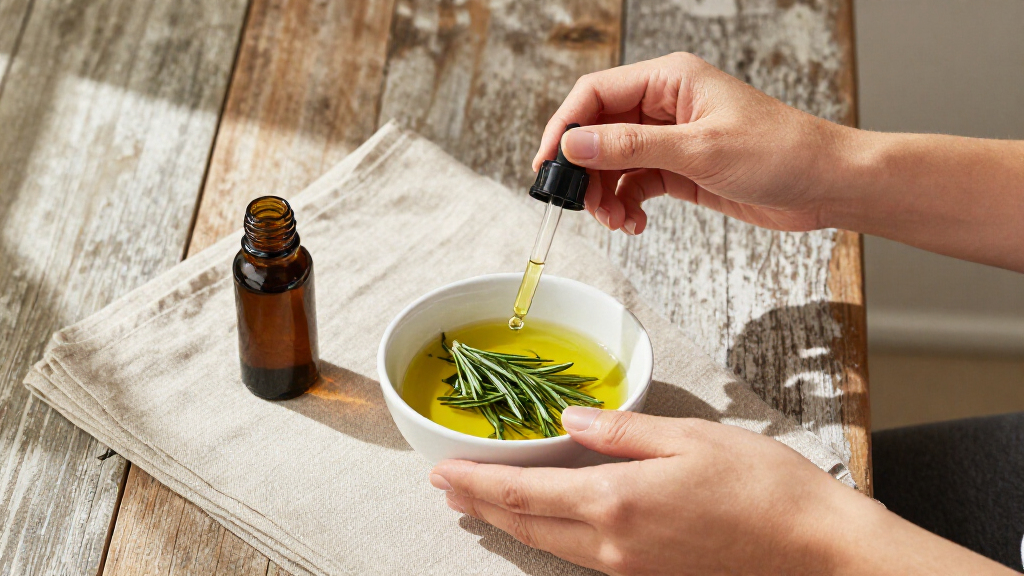
How We Picked
I ranked these oils around their usefulness for cooking, not around broad aromatherapy claims. The main criteria were clear food-use positioning, flavor versatility, bottle size relative to likely use, and how readily each option fits a distinct cooking need. I gave the set an edge for cooks who want variety, while single-flavor bottles rank higher for buyers with a defined flavor preference or a reason to choose a particular size.
The order also reflects tradeoffs: a larger bottle can suit repeat use but is a less flexible choice if lemon oil is only an occasional ingredient. The two thyme bottles are judged as separate size choices, not different flavors; the smaller one is the more approachable pick for sporadic cooking, and the larger one favors repeat use. Clove and bergamot have narrower flavor roles than lemon, so their appeal depends more on the recipes a buyer plans to make. A food-use label is a baseline, not a reason to use an oil freely; dosing and recipe fit remain part of the ranking logic.
| natural essential oils for cooking | Flavor |
|---|---|
| Viva Doria Food-Grade Essentia | — |
| Zongle Therapeutics 100% Pure | — |
| Viva Doria 100% Pure Lemon Ess | — |
| Young Living Thyme Vitality Es | Bold, herbaceous thyme |
| Young Living Clove Vitality Es | Spicy clove |
| Young Living Bergamot Vitality | Bergamot citrus |
| Young Living Thyme Vitality Es | Thyme |
Factors to Consider When Choosing Natural Essential Oils For Cooking
I’d choose a cooking oil by working backward from the recipes I actually make. These broader checks can help prevent a mismatched flavor, an oversized bottle, or unsafe assumptions about how to use a concentrated product.
Check That the Label Is Intended for Food Use
Do not assume that an oil suitable for a diffuser or topical use is also meant to be eaten. Look for clear food-use directions on the product label, and follow any preparation or serving guidance provided there. “Natural” describes an origin, not a guarantee that every product is suitable for every use. If the intended use is unclear, contact the maker rather than guessing from the ingredient name. This extra check matters especially when comparing familiar aromatherapy brands with products explicitly presented as food-grade.
Match the Flavor to the Dish Before Choosing a Bottle
Think about where the oil will go: a bright citrus note may fit a dressing or dessert, while thyme is more naturally associated with savory food. Clove and bergamot can be distinctive, so they may have fewer routine uses in a typical home kitchen. A common mistake is buying an appealing-sounding oil without identifying at least a few recipes for it. If you are still experimenting, variety can be more useful than a large bottle of one flavor. If you cook the same dishes often, a focused single oil may be the more practical choice.
Treat Concentration as a Dosing Issue
Essential oils are concentrated, so a recipe calling for fresh zest, herbs, or spices should not be converted to an equal volume of oil. Follow the maker’s food-use directions and start with the smallest permitted amount when a recipe allows adjustment. Mix thoroughly and taste before adding more, rather than pouring directly from the bottle into a finished dish. This cautious approach helps keep a strong flavor from overwhelming other ingredients. If a product provides no clear food-use dosing guidance, choose a different ingredient for the recipe.
Choose Bottle Size Around Your Likely Use
A larger bottle can make sense for a flavor that appears regularly in your cooking, but it can leave you with more oil than you will use if your interest fades. A smaller size or sampler is a better way to explore occasional flavors and learn which recipes suit them. Compare bottle volume with the role the oil will play in your kitchen, not just with how often you buy related fresh ingredients. Essential oil is concentrated, so a small bottle can supply many uses when dosing is restrained. Store it as directed on the label to preserve its quality.
Consider Whether a Set Will Actually Get Used
A set can broaden your options and help you try several flavors, but variety only adds value when the oils match your cooking. Before choosing one, list a few specific uses for each flavor rather than assuming every bottle will become a staple. Buyers with a clear preference, such as frequent use of lemon, may be better served by a dedicated bottle in a suitable size. A set also means learning the different strengths and recipe fits of several oils at once. For a first purchase, it works best when exploration is part of the goal.
Frequently Asked Questions
Can I use any essential oil labeled natural in food?
No. “Natural” alone does not tell you whether a product is intended for eating. Check the specific bottle for food-use labeling and directions, and do not infer suitability from a brand’s other products. If the label leaves the intended use unclear, ask the manufacturer or select an oil with explicit food-use instructions. Follow the product directions even when the ingredient is familiar from cooking.
Is the larger lemon bottle the better choice than the smaller one?
It depends on how often you expect to use lemon oil in recipes. The larger Zongle bottle is a more natural fit for repeat use, while the 30 mL Viva Doria bottle keeps the commitment smaller if you are still exploring. Bottle volume does not determine flavor preference or recipe suitability. I’d choose the larger format only after identifying regular uses and checking the label’s storage guidance.
Should I choose a sampler set or one flavor for my first purchase?
Choose a set if you want to test several flavors and already have recipes that could use them. Choose a single oil if you know the flavor you want or prefer to learn one product’s strength before adding others. The set in this lineup offers more variety, while a single lemon bottle provides a clearer fit for buyers focused on citrus. Either way, confirm food-use directions and plan a few dishes before buying.
Can essential oil replace fresh herbs, zest, or ground spices in a recipe?
Not as a direct volume-for-volume substitute. Essential oils are concentrated and can produce a much stronger flavor than the fresh or dried ingredient a recipe names. Use only the product’s food-use directions, and make changes in very small increments when those directions allow it. For recipes that depend on the texture or bulk of zest or herbs, the oil will not provide that same physical ingredient.
Which lineup choice makes the most sense for savory cooking?
The thyme options are the most direct match for cooks seeking a savory herb flavor, while clove may suit more specific dishes and preferences. The two thyme bottles differ mainly in size: the 5 mL version is a sensible starting point for occasional use, and the 15 mL bottle suits repeat use. Check that the label gives food-use directions before adding either to a dish. If you mostly cook citrus-forward recipes, a lemon oil or the set may be a better fit.
Conclusion
For the best overall starting point, I’d choose the Viva Doria Food-Grade Essential Oils Set for its range of flavors. The best value by volume for frequent lemon use is Zongle’s 4-ounce lemon oil, while the best premium-style focused pick for a defined savory need is Young Living Thyme Vitality; the 15 mL size suits regular use. For beginners, the Viva Doria 30 mL lemon bottle or the smaller 5 mL thyme bottle keeps the choice focused and the format smaller. For specific needs, pick clove or bergamot only when their distinctive flavors match recipes you plan to make. My final rule: choose by food-use directions, recipe fit, and realistic use—not bottle size or the word “natural” alone.