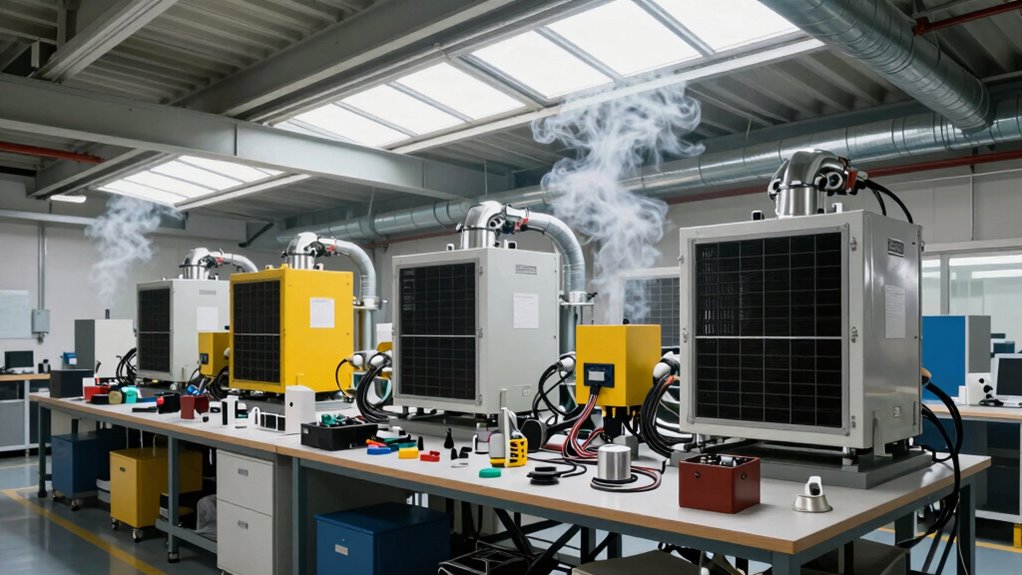

Workshop air needs more than a regular room solution because standard HVAC systems can’t handle the high levels of dust, fumes, and airborne contaminants produced during work activities. They lack the proper filtration and ventilation to keep the air clean and safe. Without targeted air exchange and advanced filtration, you risk poor air quality, health issues, and equipment wear. To guarantee a safer, more productive workspace, it’s essential to explore specialized systems designed for workshop environments. Keep going to discover how these solutions make a difference.
Key Takeaways
- Workshop environments generate higher levels of dust, fumes, and airborne pollutants that standard HVAC systems cannot adequately filter.
- Regular room solutions lack specialized air filtration to remove fine particles, chemicals, and fumes produced during work activities.
- Proper ventilation and filtration are essential to prevent hazardous buildup and ensure a healthy, safe workspace.
- Tailored air management systems improve visibility, reduce health risks, and enhance overall productivity.
- Advanced, workshop-specific air solutions maintain quality air standards during heavy use and material handling.
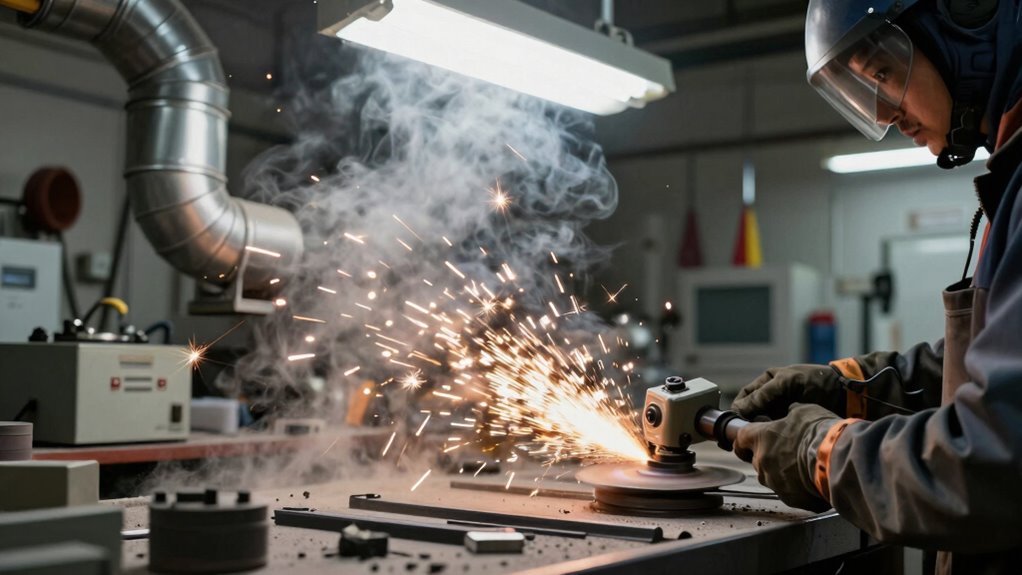
When it comes to workshops, relying on a regular room solution often falls short in meeting the specific air quality and ventilation needs. Workshops generate dust, fumes, and airborne particles that can compromise safety and health if not properly managed. Standard HVAC systems designed for typical indoor environments usually don’t provide the level of air filtration necessary to remove these contaminants effectively. You need a tailored approach that prioritizes clean, breathable air to keep workers safe and improve overall air quality.
Air filtration becomes a critical element in workshop ventilation. High-efficiency particulate air (HEPA) filters or specialized filtration units can trap tiny particles that standard filters might miss. These systems actively remove dust, smoke, and chemical fumes, preventing them from recirculating into the workspace. By installing dedicated air filtration units, you guarantee that the air remains clean, reducing health risks and improving visibility. Clean air directly impacts productivity because workers won’t be hindered by airborne irritants or fatigue caused by poor air quality. Additionally, air quality management is essential for maintaining a safe and efficient workspace.
Ventilation systems also play an essential role in maintaining a safe workshop environment. Unlike typical room ventilation, which might only exchange air occasionally, workshop-specific systems are designed to handle higher pollutant loads. They can be configured to provide continuous airflow, drawing fresh air from outside and exhausting contaminated indoor air. This constant exchange prevents the buildup of harmful substances and helps control humidity levels, which can otherwise lead to mold growth or corrosion. Proper ventilation also reduces odors, making the workspace more comfortable and encouraging better air circulation. Implementing targeted airflow solutions ensures that the workspace remains properly ventilated even during heavy use and material handling.
You can’t rely solely on natural ventilation or general-purpose HVAC units to meet these demands. Workshop environments often require targeted air exchange and filtration solutions that adapt to the specific tasks and materials involved. Installing a combination of advanced air filtration and specialized ventilation systems ensures your workspace maintains a healthy balance of fresh air while efficiently removing airborne hazards. This approach not only protects your team but can also extend the lifespan of tools and equipment by controlling the environment’s overall quality.
In essence, a workshop’s air quality depends on more than just opening a window or turning on a basic HVAC system. You need an extensive setup that integrates effective air filtration and purpose-built ventilation. Doing so guarantees cleaner air, safer working conditions, and a more productive environment where hazards are kept at bay. Your workshop deserves nothing less than a tailored air management system that recognizes its unique challenges and addresses them head-on. Proper air management systems are essential for safeguarding health and optimizing operational efficiency. Additionally, incorporating specialized ventilation solutions ensures that the workspace remains well-ventilated under heavy use and diverse material handling.
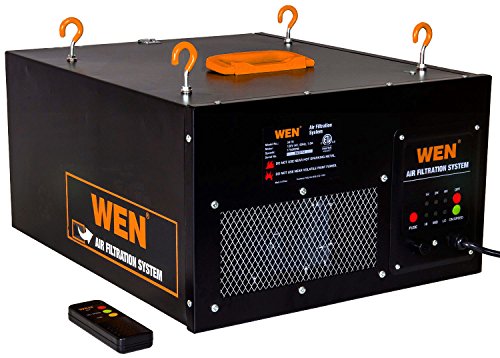
WEN 3410 3-Speed Remote-Controlled Air Filtration System (300/350/400 CFM), Basic w/ RF Remote (400 CFM) , Black
- Filter Type: Includes 1-micron and 5-micron filters
- Product Dimensions: 17” L x 20.5” W x 10” H
- Electrical Specs: 120V, 60Hz, 1A
As an affiliate, we earn on qualifying purchases.
As an affiliate, we earn on qualifying purchases.
Frequently Asked Questions
How Does Workshop Air Quality Impact Worker Health?
You’re directly affected by workshop air quality because poor ventilation efficiency can lead to higher levels of airborne pathogens, increasing your risk of illness. When ventilation isn’t effective, harmful dust, fumes, and microbes accumulate, compromising your health. Good airflow and filtration are essential to reduce airborne contaminants, protect your respiratory health, and maintain a safe working environment. Ultimately, better air quality keeps you healthier, more alert, and more productive during your workday.
What Specific Contaminants Are Most Common in Workshops?
An ounce of prevention is worth a pound of cure. In workshops, the most common contaminants include welding fumes, dust particles, and chemical vapors. You need effective fume containment and particulate control to protect your health. Without proper measures, these pollutants can cause respiratory issues and long-term health problems. Prioritize specialized ventilation systems that target these hazards, ensuring a safe and healthy workspace for everyone.
Can Regular Room Solutions Effectively Filter Workshop Fumes?
Regular room solutions generally can’t effectively filter workshop fumes because of ventilation challenges and poor air circulation. These spaces often lack specialized filtration systems needed to capture hazardous particles and fumes from paints, solvents, or welding. As a result, fumes can linger, creating health risks. You need advanced ventilation and air purification systems designed specifically for workshops to guarantee proper air quality and safety, which regular room solutions simply can’t provide.
How Often Should Workshop Air Filtration Systems Be Maintained?
You should maintain your workshop air filtration systems at least every three to six months to guarantee peak performance. Regular upkeep keeps the air purifier’s affordability in check and prolongs the filtration system’s durability, preventing costly replacements. Check filters monthly, replace them when dirty, and clean the system’s components. Consistent maintenance ensures your workspace remains safe, healthy, and compliant with air quality standards.
Are There Legal Standards for Workshop Air Quality?
Think of it like the 1920s jazz age—your workshop’s air quality is regulated by strict ventilation regulations and air quality standards. Yes, there are legal standards you must meet to guarantee safety and health, including limits on dust, fumes, and airborne contaminants. Staying compliant means regularly checking your filtration systems and ventilation, so you keep the air safe for everyone working there. Ignoring these standards could lead to fines or health hazards.
Conclusion
So, next time you think a regular room solution will cut it, remember: your workshop air isn’t just about comfort—it’s about safety, health, and maybe even your lungs’ future. Don’t settle for the bare minimum; after all, who wouldn’t want their power tools to breathe easier? Skip the upgrades, and you might just end up inhaling more than sawdust—like a ghost of projects past. Invest wisely, or pay the price later.