You might notice sinus congestion feels worse in some rooms because of poor air quality and improper humidity levels. Rooms like bedrooms or basements often have less ventilation, trapping dust, pet dander, and mold spores that irritate your nasal passages. If the air is too dry or too humid, it can dry out your membranes or promote mold growth, making congestion worse. Keep exploring to learn simple ways to improve your indoor environment and breathe easier.

Get oils, diffusers and self-care delivered free with Prime
- Fast, free delivery on millions of items
- Prime Video, Amazon Music and more included
- Member-only deals all year
Key Takeaways
- Poor ventilation in certain rooms allows irritants and stale air to accumulate, worsening congestion.
- High levels of indoor pollutants like dust, pet dander, and mold are more concentrated in some rooms.
- Dry or overly humid environments in specific areas irritate nasal passages, intensifying congestion.
- Lack of air circulation traps allergens and irritants, making symptoms feel worse.
- Rooms with inadequate humidity control cause nasal dryness or excess mucus, increasing congestion severity.

Have you ever noticed how sinus congestion seems to worsen in certain rooms? It’s frustrating, isn’t it? The reason often comes down to the air quality and humidity levels in those spaces. Your sinuses are sensitive to environmental changes, and the air around you plays a big role in how comfortably you breathe. When a room has poor air quality—say, it’s crowded, dusty, or stuffy—you’re more likely to experience increased congestion. Dust mites, pet dander, mold spores, and airborne pollutants can irritate your nasal passages, making congestion worse. If you’re in a room with stale air or inadequate ventilation, those irritants tend to linger, intensifying your symptoms.
Poor air quality and inadequate ventilation worsen sinus congestion by trapping irritants and allergens.
Humidity levels are another crucial factor. Sinuses need a balanced level of moisture to stay healthy and function properly. When the air is too dry, your nasal membranes dry out, become inflamed, and produce excess mucus to compensate. This excess mucus can clog your sinuses, leading to that familiar feeling of congestion. On the other hand, overly humid environments can encourage mold growth and dust mites, which also irritate your sinuses. If you notice your congestion getting worse in a particular room, consider measuring the humidity. Ideally, indoor humidity should stay between 30% and 50%. If it’s outside that range, it’s likely contributing to your symptoms.
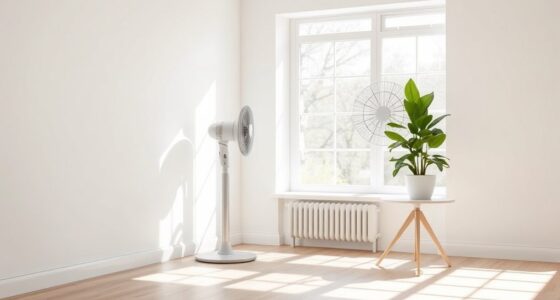
Certain rooms tend to have poorer air quality and improper humidity levels without you realizing it. For example, bedrooms or basements often have less ventilation, trapping pollutants and causing the air to feel thick and stuffy. In these spaces, stale air can lead to a buildup of irritants that inflame your nasal passages. Poor air circulation can significantly impact the overall air quality, helping to disperse pollutants and prevent irritant buildup. Increasing ventilation—for example, by opening windows or using exhaust fans—can drastically improve indoor air quality and reduce congestion. Conversely, rooms with air purifiers, humidifiers, or good ventilation tend to have better air quality, which can help reduce your congestion. If you want relief, you can take simple steps like using an air purifier to filter out particles and adjusting a humidifier to maintain optimal humidity levels.
Additionally, paying attention to air quality can help you identify the sources of irritants and take targeted action. Ultimately, your environment plays a significant role in sinus health. Being aware of the air quality and humidity in each room helps you find ways to manage your congestion. Improving ventilation, keeping humidity levels balanced, and reducing airborne irritants can make a big difference. By paying attention to these factors, you can create a more comfortable living space and breathe easier, no matter which room you’re in.
air purifier for indoor allergens
As an affiliate, we earn on qualifying purchases.
As an affiliate, we earn on qualifying purchases.
Frequently Asked Questions
Can Room Size Affect Sinus Congestion Severity?
Yes, room size can influence your sinus congestion severity. Larger rooms with poor acoustics or improper furniture placement can trap dust, mold, or allergens, worsening your symptoms. Smaller, well-ventilated spaces tend to circulate air better, reducing irritants. Pay attention to room acoustics and furniture placement to minimize dust buildup, improve airflow, and ease sinus congestion, making your environment more comfortable and less aggravating for your sinuses.
Do Cleaning Products Influence Sinus Discomfort?
Did you know that over 10% of people report chemical sensitivities that worsen sinus discomfort? Cleaning products can profoundly influence your air quality, often releasing fumes that irritate your sinuses. If you’re sensitive, using natural or fragrance-free options can help reduce symptoms. Poor air quality from strong chemicals intensifies sinus congestion, so choosing safer cleaning methods protects your respiratory health and keeps your environment more comfortable.
How Does Humidity Impact Sinus Congestion?
Humidity greatly impacts your sinus congestion by influencing moisture levels in the air. Using humidifiers can add necessary moisture, helping to soothe inflamed sinuses and reduce congestion. If the air is too dry, mucus thickens, making it harder to breathe. Conversely, overly humid environments can promote mold and dust mites, which worsen symptoms. Maintaining ideal humidity levels, around 40-60%, helps keep your sinuses clear and comfortable.
Can Plants in a Room Worsen Sinus Symptoms?
Yes, plants in a room can worsen your sinus symptoms if you’re allergic to plant allergens. They can also negatively impact indoor air quality by trapping dust, mold, or pollen, which irritates your sinuses. If you notice your congestion worsens when plants are present, try removing or cleaning them regularly. Opt for hypoallergenic plants, and guarantee good ventilation to minimize allergen buildup and improve your overall sinus comfort.
Does Airflow Direction Affect Sinus Congestion?
Airflow patterns act like a gentle river guiding air through your space, influencing your sinus comfort. When ventilation quality is poor or airflow is directed straight at your face, it can stir up irritants and dry out your nasal passages, making congestion worse. Properly managed airflow, with gentle circulation and good ventilation, helps clear out allergens and reduces sinus pressure, making your environment more comfortable and less congested.
Conclusion
Next time you notice your sinus feels worse in a certain room, think of it like a garden affected by different weather. Just as plants thrive in sunlight but wilt in shadow, your sinuses react to varying indoor conditions. I once moved into a house with a dusty basement, and my congestion worsened—like a plant in harsh shade. Paying attention to these subtle cues can help you find the right environment to breathe easier and keep your sinuses happy.
Fall Picks
fall essentials
As an affiliate, we earn on qualifying purchases.