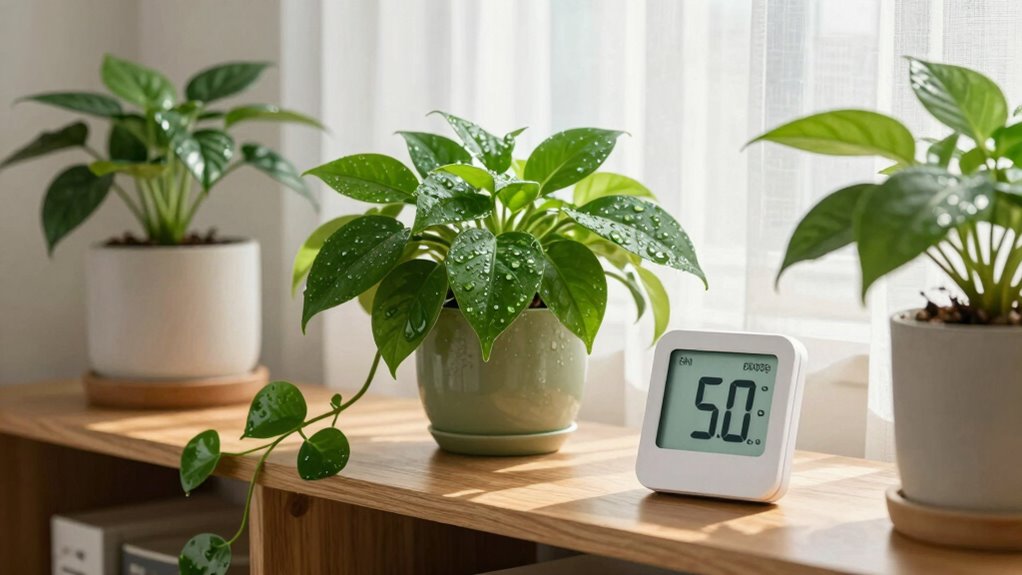

Maintaining indoor humidity between 40% and 60% creates a comfortable and healthy environment for your breathing. It helps prevent mold growth, which can cause allergies and respiratory issues, while also keeping your skin hydrated and avoiding dryness. When humidity levels are in this range, you’ll notice fewer issues with condensation, dryness, and irritability. Staying within this zone supports overall well-being and indoor air quality. Keep going to discover how to effortlessly control these levels in your home.
Key Takeaways
- Maintaining indoor humidity between 40-60% optimizes comfort and supports healthy breathing.
- Proper humidity levels reduce mold growth, preventing respiratory issues and allergies.
- Humidity within this range keeps nasal passages moist, easing breathing and reducing irritation.
- Monitoring with hygrometers helps ensure humidity stays in the ideal “Goldilocks Zone.”
- Balancing humidity prevents skin dryness and respiratory discomfort, promoting overall indoor air quality.
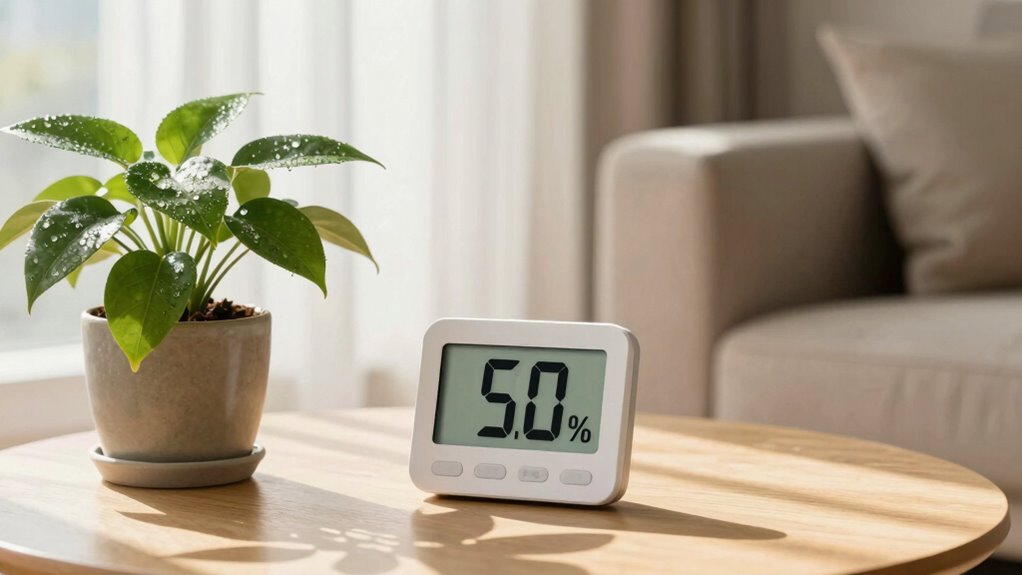
Maintaining indoor humidity between 40% and 60% is vital for comfort and health. When you keep the moisture levels within this range, you create an environment that’s less hospitable to mold growth and helps keep your skin properly hydrated. Mold prevention is a key benefit of controlling humidity because mold thrives in damp, humid areas. If the air is too moist, mold spores can settle and multiply on walls, ceilings,, and other surfaces, potentially leading to health issues such as allergies or respiratory problems. By maintaining the right humidity, you actively reduce the risk of mold developing, which not only preserves your home’s integrity but also protects your well-being.
On the other hand, if the air is too dry, your skin can suffer from dehydration, leading to irritation, cracking, and discomfort. When you keep humidity levels within the most suitable range, you support skin hydration, which helps maintain your skin’s natural barrier. Proper hydration keeps your skin soft, supple, and less prone to redness or irritation, especially during colder months when indoor heating can dry out the air. This balance also benefits your respiratory health, making it easier to breathe and reducing the likelihood of dry throat or nasal passages. Basically, proper humidity levels serve as a shield against skin and respiratory issues caused by overly dry environments.
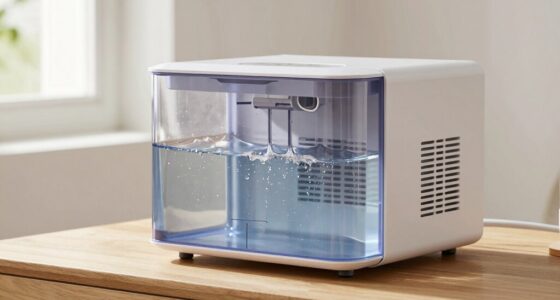
Controlling humidity isn’t just about comfort; it’s about creating a healthier living space. If you notice condensation on windows or a musty smell, it’s a sign that humidity levels might be too high. Using a dehumidifier or increasing ventilation can help bring moisture into the ideal range. Conversely, if your skin feels tight, itchy, or flaky, or if you notice chapped lips and nasal dryness, your indoor air may be too dry, and a humidifier can help restore balance. Monitoring with a hygrometer makes it easy to track these levels and make adjustments as needed.
Ensuring proper humidity levels can also improve indoor air quality by reducing airborne allergens and pollutants, creating a safer environment for everyone in your home.
Frequently Asked Questions
How Does Humidity Affect Indoor Plants’ Health?
Higher humidity levels help keep your indoor plants healthy by maintaining ideal soil moisture, reducing the need for frequent watering. When humidity is too low, plants may become stressed, leading to dry soil and wilting. Conversely, excessive humidity can cause overwatering and root rot. To guarantee your plants thrive, monitor soil moisture and adjust watering accordingly, especially in environments with fluctuating humidity levels.
Can Adjusting Humidity Improve Sleep Quality?
Think of your sleep environment as a cozy cabin; proper humidity regulation is like adjusting the thermostat for perfect comfort. When humidity stays within 40–60%, it prevents dry skin and irritated airways, helping you breathe easier and fall asleep faster. By maintaining this balance, you create an ideal sleep environment, reducing disruptions and ensuring you wake refreshed. Yes, adjusting humidity can greatly improve your sleep quality.
What Are the Signs of Too Low or Too High Humidity?
If your humidity levels are too low, you might notice dry skin, irritated eyes, or static shocks, which humidity sensors can recognize. Too high humidity causes musty odors, mold growth, and condensation. To maintain ideal moisture control, regularly check humidity sensors and adjust your dehumidifier or humidifier accordingly. Keeping humidity between 40-60% ensures comfortable, healthy breathing and prevents issues caused by imbalance.
How Does Humidity Influence Indoor Allergy Symptoms?
Humidity levels can make your allergy symptoms feel like a rollercoaster. If the air’s too moist, mold growth and dust mite proliferation explode, worsening allergy symptoms. Conversely, too dry air irritates your nasal passages, making allergies worse. Maintaining indoor humidity between 40-60% keeps allergens at bay, helping you breathe easier and reducing allergy flare-ups. Think of it as the perfect balance, preventing chaos inside your home’s air.
Are There Specific Humidity Levels Recommended for Different Rooms?
You should aim for specific humidity levels tailored to each room’s use. Adjust your HVAC settings accordingly to maintain 40–60% humidity, ideal for comfort and allergy relief. Use a dehumidifier in damp areas like basements, placing it where air circulation is best. For bedrooms, keep humidity steady for better sleep. Regularly monitor these levels with a hygrometer to guarantee ideal indoor air quality and reduce allergy symptoms.
Conclusion
Maintaining indoor humidity between 40% and 60% is like finding the perfect melody—just enough to keep everything in harmony. When you stay within this range, you’ll breathe easier, reduce allergens, and protect your home from mold. It’s a simple, effective way to create a comfortable environment, like wrapping yourself in a cozy blanket on a chilly day. So, aim for that Goldilocks zone and enjoy fresher, healthier air every day.