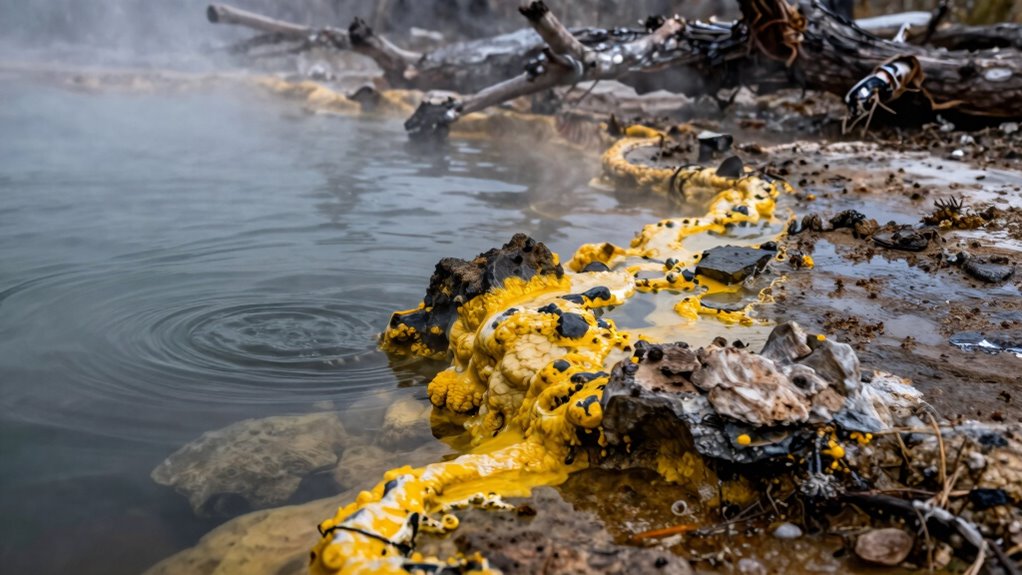

If your water smells like rotten eggs right at the source, hydrogen sulfide gas is likely the culprit. It forms naturally in wells or from bacteria thriving in warm, low-oxygen areas of your plumbing or water source. These bacteria produce hydrogen sulfide as a byproduct, causing the distinct odor. Addressing this often involves treatment methods like chlorination or aeration. Keep exploring to understand effective solutions and how to keep your water smelling fresh.

Get oils, diffusers and self-care delivered free — and shop member deals
- Fast, free delivery on millions of items
- Access to Prime Big Deal Days deals on October 6–7
- Prime Video, Amazon Music and more included
Key Takeaways
- Hydrogen sulfide gas naturally forms in groundwater due to bacterial activity interacting with sulfur compounds.
- Sulfur bacteria thrive in warm, low-oxygen environments, producing hydrogen sulfide as a byproduct.
- The sulfur smell originates at the water source, such as wells or municipal supplies, before reaching household systems.
- Natural chemistry and bacterial presence in aquifers contribute to sulfur compounds and odor development.
- Source water conditions, like high sulfate levels, can predispose the water to sulfur-related odors.
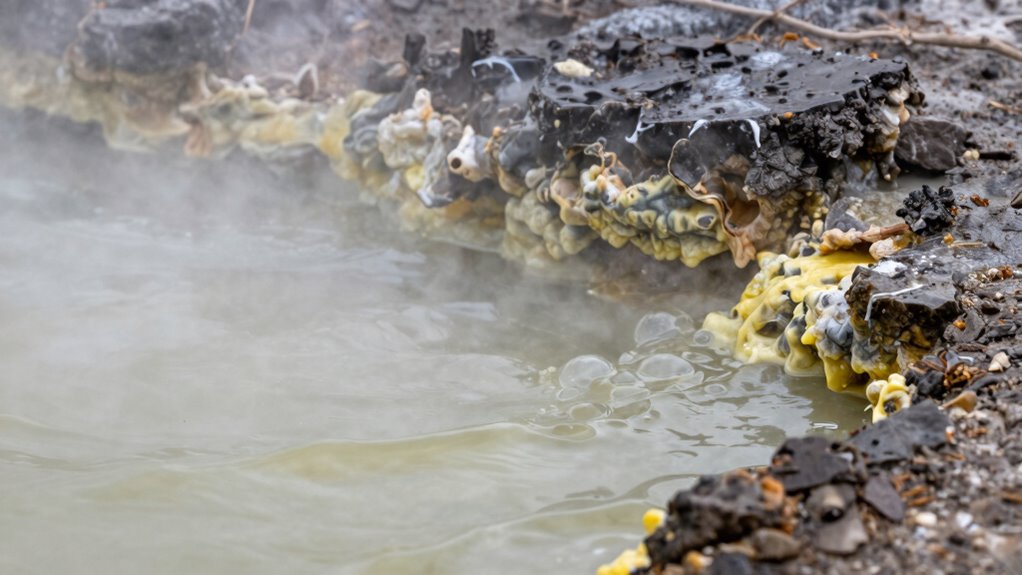
Sulfur water problems can turn your everyday water supply into a source of unpleasant odors and taste. You might notice a rotten egg smell whenever you turn on the tap, making simple tasks like washing dishes or brushing your teeth downright unpleasant. The root cause of this odor often lies beneath the surface, in the natural chemistry of your well or municipal water source. To effectively deal with sulfur odors, you need proper water treatment. This involves identifying the specific cause of the sulfur smell and choosing the right treatment methods to eliminate it at its source.
The most common cause of sulfur smells in water is the presence of hydrogen sulfide gas, which forms when naturally occurring bacteria interact with sulfur compounds in the water. These bacteria thrive in warm, low-oxygen environments, often in well systems or stagnant water. While the bacteria are harmless, their byproduct, hydrogen sulfide, creates that distinctive rotten egg smell that can permeate your entire household. Addressing this problem requires targeted odor elimination strategies, starting with testing your water to confirm the presence of hydrogen sulfide and other sulfur compounds. Once you understand what’s causing the odor, you can implement effective water treatment solutions like chlorination, aeration, or filtration systems specifically designed to remove sulfur compounds.
Chlorination is a common method used to eliminate sulfur bacteria and control the production of hydrogen sulfide. When properly applied, chlorine kills the bacteria responsible for producing the odor, resulting in cleaner, better-tasting water. Aeration systems also work by introducing air into the water, which helps strip the hydrogen sulfide gas out before it reaches your tap. Filtration systems, such as activated carbon filters or specialized sulfur filters, are excellent for removing residual sulfur compounds and improving water clarity and taste. Combining these methods often provides the best results, especially if your water contains high levels of sulfur. Understanding how natural bacterial activity affects sulfur formation can help you develop more effective long-term solutions. Moreover, implementing regular water testing can help monitor the effectiveness of your treatment system and catch any resurgence of sulfur bacteria early. Additionally, using appropriate chemical treatments can further enhance the removal of stubborn sulfur compounds that resist initial treatment efforts.
Regular maintenance of your water treatment system is essential for ongoing odor elimination. Over time, filters can become saturated, and bacteria can re-establish in your plumbing if not properly managed. Testing your water periodically ensures that your treatment methods are still effective and allows you to adjust as needed. Recognizing the role of bacterial growth in sulfur problems can help in designing preventative measures to reduce sulfur buildup. Remember, addressing sulfur water problems at the source not only improves the taste and smell of your water but also protects your plumbing and appliances from corrosion caused by sulfur compounds. By investing in proper water treatment, you can enjoy clean, odor-free water every day, free from the unpleasant effects of sulfur contamination.
As an affiliate, we earn on qualifying purchases.
Frequently Asked Questions
Can Sulfur Water Affect Household Plumbing Over Time?
Yes, sulfur water can affect your household plumbing over time. The sulfur compounds can cause pipe corrosion, weakening the pipes and leading to leaks or failures. Additionally, sulfur water can cause water discoloration, leaving stains on fixtures and appliances. Continued exposure worsens these issues, so addressing sulfur water early helps prevent costly repairs and maintains your plumbing’s integrity. Regular maintenance and water treatment are essential to manage these problems effectively.
Are There Natural Remedies to Reduce Sulfur Odors?
Did you know that nearly 30% of households with sulfur water seek odor reduction solutions? Natural remedies like installing activated carbon filters, adding hydrogen peroxide, or using vitamin C tablets can help reduce sulfur odors effectively. These methods are eco-friendly, affordable, and safe, making them great options for odor control. Regular maintenance and testing guarantee your water stays fresh, eliminating that unpleasant smell without harsh chemicals.
How Long Does Sulfur Bacteria Typically Persist in Well Systems?
Sulfur bacteria often persist in well systems for several months or even years if not properly treated. Bacterial growth thrives in warm, anaerobic conditions, leading to ongoing water contamination and persistent sulfur odors. You’ll need to regularly disinfect your well and monitor bacterial levels to control the bacteria. Without intervention, these bacteria can continually produce the sulfur smell, making it important to maintain your well system to prevent long-term water contamination.
Is Sulfur Water Harmful to Skin or Hair?
Sulfur water can cause skin irritation and hair discoloration if you’re exposed frequently. The sulfur compounds may lead to dryness, itchiness, and redness on your skin, especially sensitive areas. For your hair, the sulfur can cause yellowish or greenish tinting, making it look dull. To protect yourself, consider installing water filters or using specialized shampoos designed to neutralize sulfur’s effects.
What Are the Costs Involved in Sulfur Water Treatment?
Coincidences often lead you to explore treatment costs for sulfur water, which vary widely. A thorough cost analysis involves considering treatment options like aeration, activated carbon filters, or oxidation systems. Basic solutions may cost a few hundred dollars, while advanced setups can reach several thousand. Keep in mind, ongoing maintenance costs also factor in, ensuring you choose an effective, budget-friendly approach tailored to your water quality needs.
Conclusion
Think of sulfur water as a hidden storm brewing beneath your home’s surface—a silent, invisible threat gathering strength. When the smell begins, it’s like lightning breaking through the clouds, warning you of deeper issues. Addressing it early is like calming the storm before it releases chaos. By understanding its source, you can clear the skies and restore peace to your water supply, ensuring your home remains a sanctuary, free from the tumult of unseen troubles.
Fall Picks
fall essentials
As an affiliate, we earn on qualifying purchases.