
Wellness gadgets can give you daily insights into your heart rate, sleep, and stress levels, but they can’t provide a complete health picture. They serve as helpful tools, not replacements for professional tests and diagnoses. Gadgets often miss underlying issues that only healthcare providers can identify through detailed exams and lab work. Relying solely on them can hide serious concerns. Keep exploring to understand why real diagnostics are essential for your overall health.

Get oils, diffusers and self-care delivered free with Prime
- Fast, free delivery on millions of items
- Prime Video, Amazon Music and more included
- Member-only deals all year
Key Takeaways
- Wellness gadgets provide limited data and cannot detect underlying health conditions requiring professional testing.
- They lack the comprehensive analysis and accuracy of diagnostic procedures like lab tests and imaging.
- Devices offer general insights but cannot replace detailed assessments by healthcare professionals.
- Overreliance on gadgets may delay necessary medical diagnosis and treatment.
- Professional diagnostics are essential for accurate, personalized health evaluations beyond gadget capabilities.

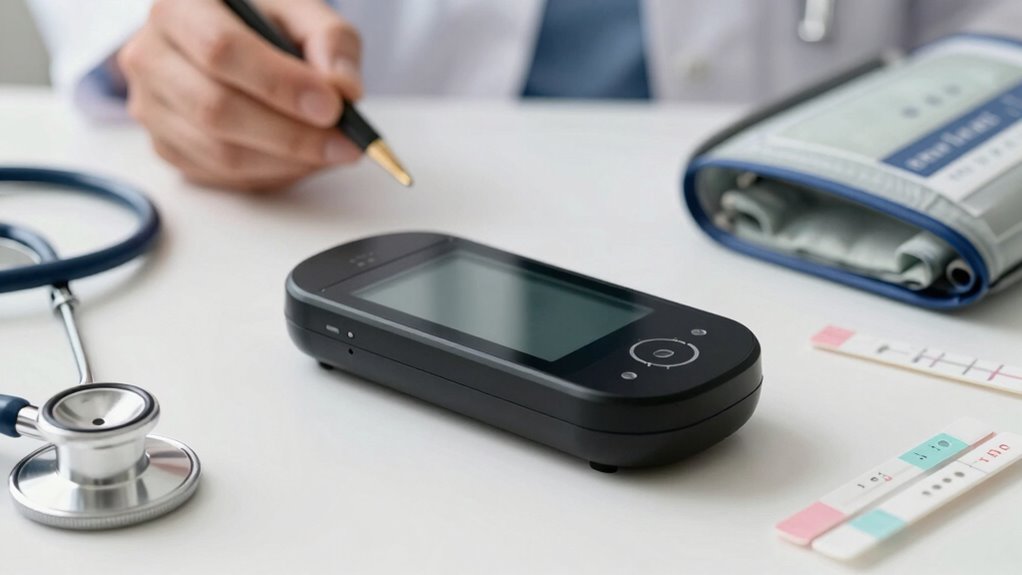
In today’s fast-paced world, wellness gadgets and diagnostics have become vital tools for taking control of your health. You might turn to smartwatches that monitor heart rate, sleep patterns, or even stress levels, hoping they’ll give you a complete picture of your wellbeing. While these devices can be helpful for daily awareness, they rarely replace the insights gained from professional diagnostics. They serve as useful supplements, but they shouldn’t be the sole source of your health information.
When it comes to mental health, wellness gadgets can track your mood swings or stress levels to some extent. However, they don’t provide the nuanced understanding that mental health professionals can offer through extensive assessments. These gadgets might alert you to signs of stress or fatigue, but they can’t diagnose conditions like depression or anxiety, nor can they help you develop personalized treatment plans. Relying only on these devices might lead you to overlook underlying issues that require expert intervention. For true mental health support, it’s crucial to see a professional who can interpret symptoms holistically and recommend appropriate therapies or medications.
Nutrition tracking devices are another common feature in wellness gadgets. They can log your calorie intake, monitor macronutrients, or suggest dietary adjustments based on your activity levels. While this data can motivate healthier choices and identify patterns, it’s not enough for a thorough nutritional assessment. Nutritionists and dietitians look at your entire health profile, including lab results, medical history, and lifestyle factors, to craft tailored plans. They can detect deficiencies or imbalances that a simple nutrition tracker might miss. Plus, they consider factors like digestion issues or allergies, which require detailed analysis beyond a gadget’s capabilities. Additionally, accurate diagnostics performed by healthcare professionals involve thorough examinations, laboratory tests, and specialized imaging. These diagnostics can reveal underlying health conditions that wearable devices simply cannot detect. Furthermore, understanding the limitations of consumer-grade health devices is essential to prevent overreliance on potentially inaccurate data.
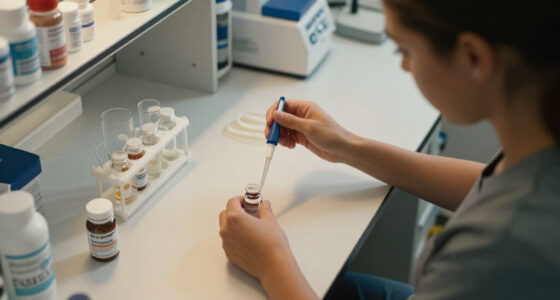
Diagnostics performed by healthcare professionals involve thorough examinations, laboratory tests, and specialized imaging. These methods provide detailed, accurate insights into your health status—from blood work revealing vitamin deficiencies to imaging scans identifying structural problems. Wellness gadgets can’t match this depth or precision. They are prone to inaccuracies or misinterpretations, especially when used as standalone tools. Relying solely on them can lead you to overlook serious health concerns or delay necessary medical interventions. Additionally, professional diagnostics often include context and interpretation that no device can replicate. It’s essential to recognize the limits of consumer-grade health devices and understand when to seek comprehensive medical evaluations.
professional health diagnostic kits
As an affiliate, we earn on qualifying purchases.
As an affiliate, we earn on qualifying purchases.
Frequently Asked Questions
Can Wellness Gadgets Diagnose Serious Health Conditions Accurately?
Wellness gadgets can’t diagnose serious health conditions accurately because remote monitoring via these devices often lacks the data accuracy needed for precise diagnosis. You might get helpful insights, but they shouldn’t replace thorough tests conducted by healthcare professionals. Relying solely on these gadgets could lead to missed or incorrect diagnoses, so always consult a doctor for any serious health concerns. They use detailed diagnostics to ensure accurate and safe health assessments.
Are There Any Risks Using Wellness Gadgets Regularly?
A ticking clock symbolizes dependency; using wellness gadgets regularly can make you overly reliant on them, risking neglect of professional medical advice. You might also face data privacy concerns, as sensitive health info could be vulnerable. Overdependence may lead to anxiety or misinterpretation of data, causing you to ignore symptoms requiring urgent care. Stay vigilant, balance gadget use with expert consultation, and safeguard your personal data to avoid these risks.
How Often Should I Get Professional Health Diagnostics?
You should get professional health diagnostics at least once a year, especially if you’re tracking your lifestyle regularly. Regular check-ups help interpret your wellness gadget data accurately and catch potential issues early. Remember to prioritize data privacy during these visits, ensuring your health information stays secure. While gadgets are useful for daily monitoring, they can’t replace thorough diagnostics, which provide a deeper understanding of your overall health.
Do Wellness Gadgets Improve Overall Health Long-Term?
Wellness gadgets can support your health journey, but they don’t improve overall health long-term on their own. Lifestyle trends and daily habits matter more for sustained well-being. While gadgets offer quick insights and motivate healthy choices, their limitations mean they can’t replace thorough diagnostics or personalized medical advice. To truly enhance your health, combine gadget use with regular check-ups and a balanced lifestyle.
Can Wellness Gadgets Replace Doctor Consultations Entirely?
Think of wellness gadgets as your helpful compass, guiding your health journey with fitness tracking and sleep monitoring, but they can’t replace the seasoned map of a doctor’s expertise. While they highlight trends and alert you to potential issues, only a healthcare professional can interpret the full landscape, diagnose conditions, and prescribe treatment. Relying solely on gadgets is like steering through foggy waters without a seasoned captain—risky and incomplete.
Conclusion
While wellness gadgets can be handy, they’re no substitute for real diagnostics—your health’s true story. Think about it: just last week, I almost ignored a gadget’s warning, only to find out I needed professional help. Sometimes, coincidence reminds us that quick fixes aren’t enough. Trust the experts and use gadgets as guides, not guarantees. Your health deserves more than a coincidence; it deserves thorough, accurate care.
Columbus Day / Indigenous Peoples' Day Picks
long weekend sales
As an affiliate, we earn on qualifying purchases.