A urinalysis dipstick checks for several key parameters that reveal important health clues. Glucose presence can suggest diabetes, while blood might point to injury or infection. Protein could indicate kidney issues, and pH shows urine acidity. Leukocytes and nitrites are signs of infection or inflammation. Be aware that false positives are possible, so understanding these results is essential. If you keep exploring, you’ll find detailed insights on what each parameter truly signals.
Key Takeaways
- Glucose indicates possible diabetes when present, reflecting blood sugar levels in urine.
- Blood in urine can signal injury, infection, or medical conditions affecting the kidneys or urinary tract.
- Protein presence suggests kidney issues or damage, as healthy kidneys typically prevent protein leakage.
- pH level shows urine acidity or alkalinity, helping assess metabolic and kidney function.
- Leukocytes and nitrites are markers for infection or inflammation in the urinary system.
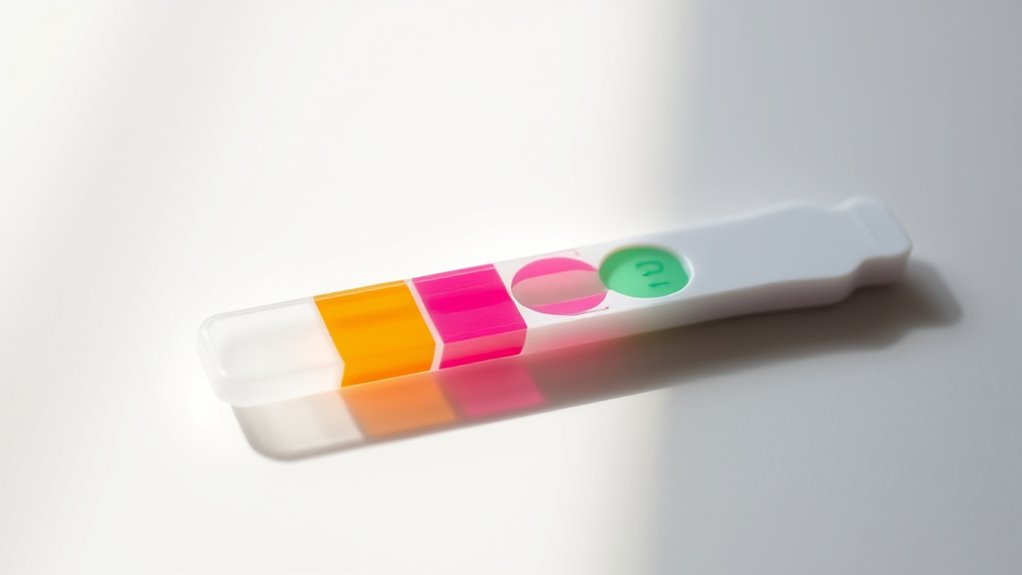
A urinalysis dipstick is a quick and easy tool used to analyze urine for various health indicators. It’s a handy first step in diagnosing a range of conditions, from infections to metabolic issues. But understanding the results requires some knowledge about urinalysis dipstick interpretation. One thing to keep in mind is that false positives can occur, sometimes leading to confusion or unnecessary worry. Knowing what to expect and how to interpret the results correctly helps guarantee you get accurate information from the test.
When you dip the strip into urine, it reacts with specific substances, changing color to indicate the presence or absence of certain analytes. The common parameters include glucose, protein, ketones, blood, pH, leukocytes, nitrites, and bilirubin. Each tells a different story about your health. For example, glucose in urine might suggest diabetes, while blood could point to injury, infection, or other issues. But it’s vital to interpret these results carefully because some factors can produce false positives.
For instance, certain foods or medications can interfere with the test. As an example, consuming large amounts of blood or hemolyzed samples might lead to a false positive for blood. Similarly, some soap residues or oxidizing agents in the urine can cause false positives for leukocytes or nitrites. That’s why it’s always important to think about the context of the test—what you’ve eaten, your medications, your hydration level—and to confirm abnormal results with further testing.
Common false positives often come from improper sample collection or storage. If urine sits too long before testing, bacteria can grow, which might cause a false positive for nitrites or leukocytes. Contamination from skin or cleaning products can also skew results. That’s why proper collection and prompt testing are key. Sometimes, substances like oxidizing cleansers or certain medications can interact with the strip, leading to misleading readings. If you see a positive result that doesn’t match your symptoms, it’s wise to repeat the test or consult your healthcare provider for confirmation. Additionally, electric dirt bikes and their components are designed for off-road performance, but they can also influence the durability and reliability of equipment used in medical or testing environments.
Frequently Asked Questions
Can a Dipstick Detect Early Stages of Kidney Disease?
Yes, a dipstick can help with early detection of kidney disease by revealing changes in kidney function. It detects parameters like protein, blood, and glucose, which can indicate kidney issues before symptoms appear. I recommend regular testing if you’re at risk, because catching problems early allows for better management. Keep in mind, though, that a dipstick is just one tool; your doctor might suggest further tests for a complete assessment.
How Reliable Are Urine Dipsticks Compared to Lab Tests?
Think of urine dipsticks as your quick weather forecast—they’re useful but not always perfectly accurate. I find they’re fairly reliable for detecting significant issues like abnormal urine volume or color changes, but lab tests remain the gold standard for detailed analysis. Dipsticks give a handy snapshot, yet they can miss subtle problems, so I always recommend follow-up lab testing for a thorough diagnosis.
Are There Any Substances That Can Interfere With Dipstick Results?
Substance interference can cause false positives in dipstick tests, making results less reliable. For example, certain medications like vitamin C, ascorbic acid, and some antibiotics can interfere with chemical reactions on the strip. Additionally, concentrated urine or improper storage can also affect accuracy. I recommend confirming any abnormal findings with lab tests, especially if you suspect substance interference might be skewing the dipstick results.
How Often Should a Urinalysis Dipstick Be Used for Screening?
I recommend using a urinalysis dipstick for screening at least once a year, but the frequency depends on the patient’s risk assessment. If someone has risk factors like diabetes or kidney issues, more frequent testing may be necessary. While some worry about false positives, regular screening helps catch problems early. So, tailoring screening frequency to individual risk guarantees proactive care and better health outcomes.
Can Dipstick Results Differentiate Between Types of Urinary Tract Infections?
Yes, dipstick results can help differentiate between types of urinary tract infections by revealing infection indicators like leukocyte esterase and nitrites. These parameters suggest the presence of urinary pathogens commonly associated with bacterial infections. However, while they provide quick clues, they can’t identify specific bacteria. For accurate diagnosis, I recommend follow-up urine cultures, especially if symptoms persist, to pinpoint the exact urinary pathogens involved.
Conclusion
In wrapping up, understanding what each parameter on a urinalysis dipstick reveals can truly open your eyes to your health. It’s like having a window into your body’s inner workings. By paying attention to these signs, you can catch potential issues early and take charge. Remember, knowledge is power—don’t let this opportunity slip through your fingers. Staying informed helps you stay ahead, ensuring you’re always in the driver’s seat of your well-being.