
Stool tests for gut health give me important clues about my digestive system, like inflammation markers such as calprotectin, hidden bleeding, and details about my microbiome. They help identify issues early, like inflammation or infections, and reveal microbial imbalances or enzyme deficiencies affecting digestion. These simple tests guide personalized strategies to improve gut health. Stay tuned to discover how these insights can help you optimize your digestion and overall well-being.
Key Takeaways
- Stool tests assess gut health by measuring markers like calprotectin and occult blood to detect inflammation and hidden bleeding.
- Calprotectin levels indicate gastrointestinal inflammation, helping diagnose conditions such as inflammatory bowel disease.
- Occult blood testing detects hidden bleeding in the digestive tract, which may signal ulcers or other conditions.
- Additional stool markers can identify microbial imbalances, enzyme deficiencies, and overall digestive function.
- These non-invasive tests provide valuable insights for personalized treatment and early detection of gut-related issues.
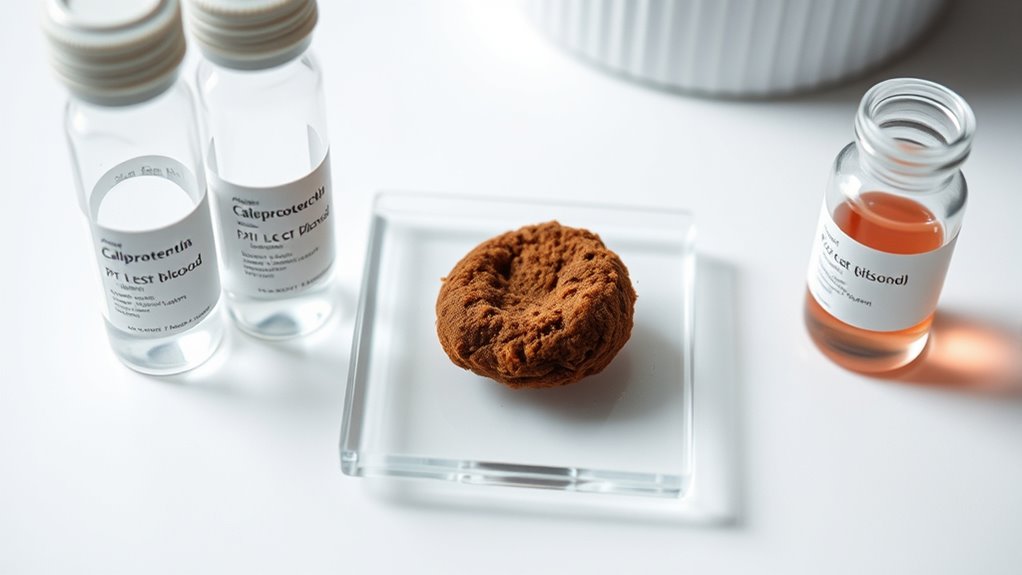
Understanding your gut health is vital, and stool tests offer a straightforward way to gain insight into what’s happening inside your digestive system. When I first started exploring gut health, I was surprised to learn how much information could be gathered from a simple stool sample. One of the key areas these tests reveal is microbiome diversity, which refers to the variety of bacteria and microorganisms living in your gut. A diverse microbiome is essential for overall health, as it helps regulate digestion, immune response, and even mood. If your microbiome lacks diversity, you might experience bloating, fatigue, or irregular bowel movements. Stool tests can identify imbalances or deficiencies in this microbial community, guiding targeted dietary or probiotic interventions.
Understanding your gut health helps identify imbalances and improve overall well-being.
Another valuable aspect of stool testing is enzyme analysis. Your digestive system relies on enzymes to break down food and absorb nutrients efficiently. When enzyme production is compromised, digestion can become sluggish, leading to symptoms like gas, bloating, or nutrient deficiencies. By analyzing enzymes present in your stool, healthcare providers can pinpoint specific enzyme deficiencies or malfunctions. This insight allows for personalized treatment plans, including enzyme supplements or dietary adjustments to support ideal digestion.
Beyond microbiome diversity and enzyme analysis, stool tests often check for markers like calprotectin, which indicates inflammation, or occult blood, which could signal bleeding somewhere along the gastrointestinal tract. These markers help detect underlying conditions such as inflammatory bowel disease or gastrointestinal bleeding early on, even before symptoms become severe. I found that these tests are particularly useful because they’re non-invasive and can provide early warning signs of more serious issues.
The process of collecting a stool sample is straightforward, and the results can paint a thorough picture of your gut health. I appreciated how these tests don’t just tell you what’s wrong but also offer clues on how to improve your digestive health. Whether it’s identifying the need for probiotics to boost microbiome diversity, adjusting your diet to support enzyme production, or catching early signs of inflammation, stool tests empower you to take proactive steps.
In my experience, understanding your gut health through these tests has been a game-changer. They’re simple, informative, and can help you address issues at their root. If you’re struggling with digestive discomfort or just want to optimize your health, I highly recommend considering stool testing as a valuable diagnostic tool. It’s an easy way to peek inside your gut and start making meaningful changes today.
Frequently Asked Questions
How Often Should I Get Stool Tests for Optimal Gut Health?
I recommend doing stool tests for ideal gut health about once a year, especially if you’re experiencing symptoms or have ongoing health concerns. This test frequency helps with health monitoring and catching issues early. If you have specific conditions or risk factors, your doctor might suggest more frequent testing. Staying proactive with regular stool tests allows you to maintain a healthy gut and address problems before they become serious.
Are Stool Tests Effective for Diagnosing All Gut-Related Issues?
Stool tests are like a flashlight—they reveal important details but don’t illuminate every corner of gut health. While they’re useful for diagnosing issues like inflammation or bleeding, their limitations in scope mean they can miss certain conditions. Diagnostic accuracy varies depending on what’s being tested. So, I’d say they’re a helpful tool, but not a catch-all solution; a thorough approach is always best.
Can Stool Tests Detect Food Intolerances or Allergies?
Stool tests can sometimes help identify food sensitivities, but their test accuracy varies. I’ve found that they might show markers indicating inflammation or immune responses related to food sensitivities, but they aren’t definitive for allergies. If you suspect a food intolerance, I recommend working with a healthcare professional for extensive testing and diagnosis, since stool tests alone may not give a full picture of your food-related issues.
What Are the Risks or Side Effects of Stool Testing?
Stool testing is generally safe, but there are some risks to take into account. I’ve seen cases of sample contamination, which can lead to inaccurate results, and false positives that might cause unnecessary worry or additional testing. While side effects are rare, it’s important to follow collection instructions carefully to minimize errors. Always discuss any concerns with your healthcare provider before testing to ensure you’re fully informed.
Do Stool Test Results Vary Based on Diet or Medications?
Yes, stool test results can be affected by diet impact and medication influence. Certain foods or supplements might alter results, making them less accurate, while medications like NSAIDs or antibiotics can also interfere. I always recommend sharing your recent diet and medication history with your healthcare provider before testing. This way, they can interpret your results more accurately and consider any factors that might skew the findings.
Conclusion
Stool tests might seem simple, but they reveal complex stories inside us—hidden inflammation or bleeding that we can’t see. While they’re just tiny samples, they hold the power to diagnose serious gut issues early. It’s funny how something so small can have such a big impact, reminding us that sometimes, the smallest clues lead to the biggest insights. Don’t overlook these tests—they’re your first step toward better gut health and peace of mind.