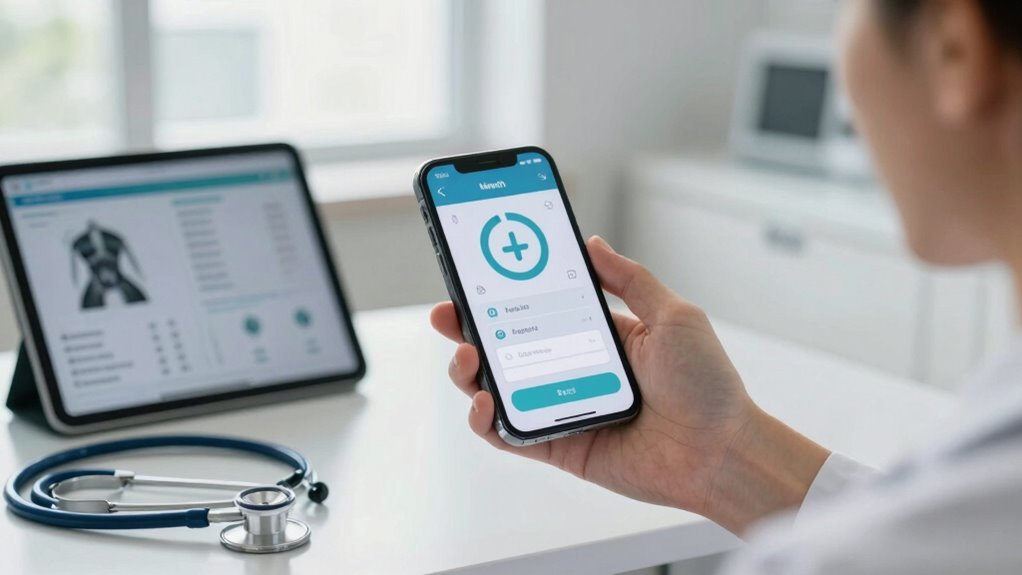

Using smart devices gives you real-time, precise health data, helping you better understand your body’s patterns. This information enables you to ask your doctor targeted questions about concerns like blood pressure swings, irregular heartbeats, or sleep issues. With detailed logs and accurate measurements, you can communicate more confidently and clearly. Want to discover how to use this data to improve your healthcare conversations? Keep exploring to learn more.

Get oils, diffusers and self-care delivered free with Prime
- Fast, free delivery on millions of items
- Prime Video, Amazon Music and more included
- Member-only deals all year
Key Takeaways
- Smart devices provide accurate, real-time health data, enabling more specific and relevant questions during medical appointments.
- Continuous monitoring reveals patterns and triggers that inform targeted discussions with your healthcare provider.
- Reliable device data helps identify irregularities, prompting timely questions about diagnosis or treatment options.
- Detailed logs and charts facilitate clearer communication, making your concerns more precise and actionable.
- Using validated devices ensures trustworthiness in your health information, leading to more informed and meaningful questions.
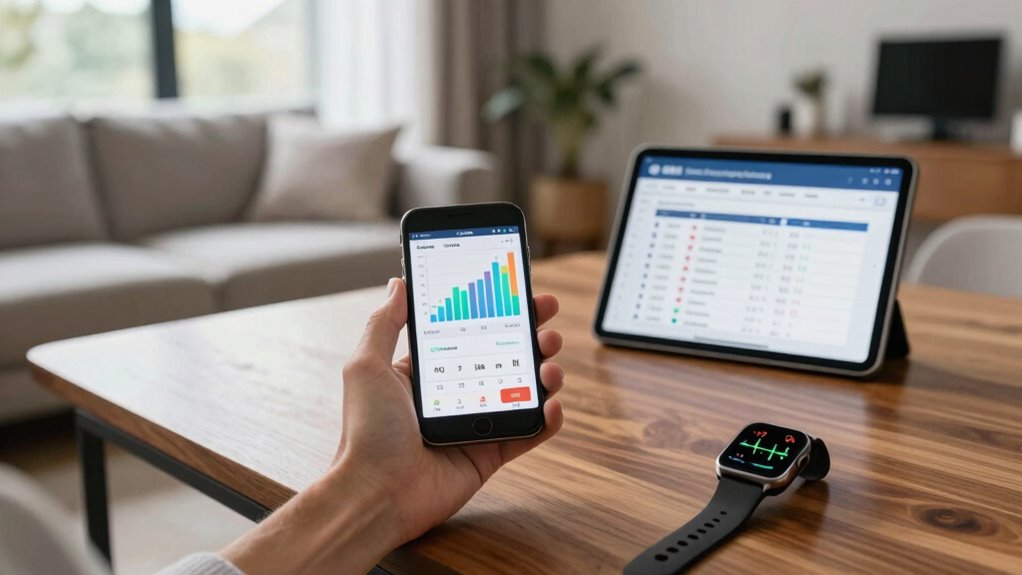
Smart devices are transforming the way you communicate with your doctor, making it easier to gather health data and ask more informed questions. When you use wearables or health apps, you collect real-time information about your heart rate, activity levels, sleep patterns, and more. Having this data at your fingertips allows you to approach your appointment with specific, concrete questions rather than vague concerns. Instead of describing symptoms from memory, you can show your doctor detailed charts or logs, leading to more accurate assessments and better care.
One of the key benefits of using smart devices is improving the accuracy of your health information. These devices are constantly refining their sensors and algorithms, providing you with reliable data. When you present your doctor with precise measurements—such as fluctuations in blood pressure or irregular heart rhythms—you facilitate a more targeted diagnosis. However, you should also be aware of device accuracy, as not all gadgets are equally reliable. Knowing the limitations of your device helps you interpret the data correctly and avoid unnecessary worry or false alarms. Researching reputable brands and guaranteeing your device is validated for medical use can make a significant difference. device accuracy is essential for ensuring your data truly reflects your health status.
Data privacy remains a vital concern when you use smart devices. As you store sensitive health information, you need to trust that your data is protected from breaches or unauthorized access. Before syncing your device with apps or sharing data with your healthcare provider, check the privacy policies. Opt for devices and platforms that encrypt your data and give you control over what information is shared. Protecting your data privacy assures that your health information stays confidential and is only used for your benefit. Additionally, understanding the accuracy and reliability of your device ensures that the data you rely on is trustworthy and meaningful. Being aware of the data security measures implemented by device manufacturers can help you make informed decisions about sharing your health information. Incorporating trusted technology can further enhance the integrity and security of your health data.
Using smart devices not only enhances the quality of data you present but also encourages you to become more engaged in your health. When you track your metrics regularly, you develop a clearer understanding of your body’s patterns and triggers. This proactive approach empowers you to ask your doctor more specific questions, such as how lifestyle changes impact your blood sugar levels or how your sleep quality affects your overall health. In this way, smart devices serve as tools for better communication, helping you participate actively in your healthcare decisions.
validated blood pressure monitor
As an affiliate, we earn on qualifying purchases.
As an affiliate, we earn on qualifying purchases.
Frequently Asked Questions
How Do Smart Devices Protect My Personal Health Data?
Smart devices protect your personal health data through strong data security measures like encryption and secure storage. They often use privacy controls, allowing you to manage what info you share and who can access it. While privacy concerns exist, reputable devices follow strict regulations to safeguard your data. By staying informed about their security features, you can better guarantee your health information remains private and protected against unauthorized access.
Can Smart Devices Replace Regular Medical Check-Ups Entirely?
A stitch in time saves nine, and smart devices can’t fully replace regular check-ups. While remote diagnostics help you monitor health between appointments, they aren’t a substitute for detailed physical exams. Smart devices gather data privacy, but they lack the nuanced insights doctors gain through direct patient interaction. So, use them as tools, not replacements, ensuring you get thorough care when needed. Regular check-ups remain essential for your overall health.
Are Smart Devices Suitable for Elderly Patients With Limited Tech Skills?
Smart devices can be suitable for elderly patients with limited tech literacy, but it depends on their adaptation and support. You should look for user-friendly designs and devices with simple interfaces to ease elderly adaptation. Providing training and ongoing assistance helps bridge the tech skills gap, making these devices more accessible. With the right approach, elderly patients can benefit from smart technology, improving their health management without feeling overwhelmed.
How Accurate Are the Health Insights Provided by Smart Devices?
Did you know that smart devices boast about 90% data accuracy? You can trust that their health insights are quite reliable, though device reliability varies by brand. While they provide valuable information, it’s wise to verify critical health data with your doctor. Overall, smart devices offer accurate readings for everyday monitoring, helping you stay informed and proactive about your health.
What Should I Do if My Smart Device Gives Conflicting Health Advice?
If your smart device gives conflicting health advice, you should exercise user caution and consider device limitations. Don’t rely solely on the device; instead, consult your healthcare professional for accurate guidance. Cross-check information from trusted sources, and if uncertainty persists, prioritize professional advice over device alerts. Remember, smart devices are useful tools but aren’t substitutes for medical expertise.
Conclusion
By harnessing the power of smart devices, you become a detective uncovering hidden clues about your health. They equip you with a lantern to illuminate questions that might otherwise stay in the shadows, guiding you through the maze of medical advice. With each tap and swipe, you’re painting a clearer picture for your doctor, transforming your health journey into a collaborative masterpiece. Embrace these tools, and watch your questions blossom into a roadmap toward better well-being.
Halloween Picks
halloween
As an affiliate, we earn on qualifying purchases.