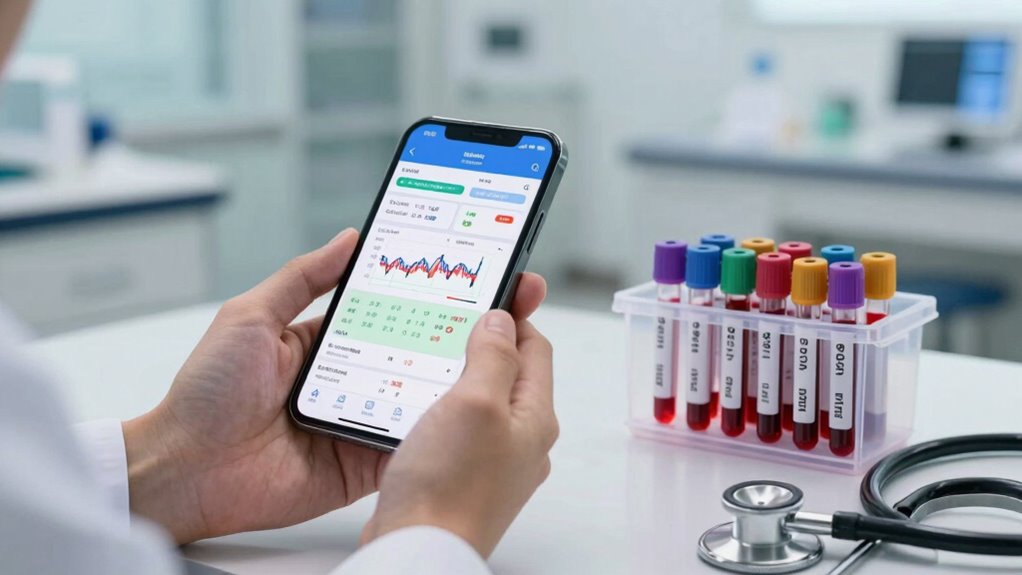

The main difference between screening and diagnostic tests is that screening identifies if you’re at risk for a condition, often using less invasive methods, but it doesn’t confirm what’s happening. Diagnostic tests, on the other hand, are more precise and are used to confirm if you have the condition, often involving more invasive procedures. Knowing these differences helps you understand why your healthcare provider might recommend one over the other—keep exploring to learn more.

Get oils, diffusers and self-care delivered free with Prime
- Fast, free delivery on millions of items
- Prime Video, Amazon Music and more included
- Member-only deals all year
Key Takeaways
- Screening tests identify individuals at risk but do not confirm a condition; diagnostic tests provide definitive diagnosis.
- Screening is less invasive and more accessible; diagnostic testing tends to be more invasive with higher accuracy.
- Screening results can have false positives or negatives, while diagnostic tests aim for conclusive evidence.
- Screening is used for early detection in population health; diagnostic testing guides treatment decisions after positive screenings.
- Understanding the purpose of each test helps make informed healthcare decisions and follow-up actions.

Understanding the difference between screening and diagnostic testing is essential when it comes to your health. Both types of tests aim to provide information about your condition, but they serve different purposes and carry different implications. Screening tests are designed to identify individuals who may be at risk for a particular condition. They usually analyze genetic markers or other markers that can indicate a higher likelihood of disease, such as certain genetic mutations linked to inherited conditions. The goal is early detection, so you can pursue further testing or preventive measures if necessary. However, it’s important to remember that screening tests are not definitive. They can produce false positives, where the test suggests you might have a condition when you actually don’t. This can lead to unnecessary anxiety, additional testing, or even invasive procedures that aren’t needed.
Diagnostic testing, on the other hand, is more precise and is used to confirm whether you actually have a specific condition. These tests are typically performed after a positive screening result or if you have symptoms that warrant closer examination. Diagnostic tests analyze the same genetic markers or other biological indicators but do so with higher accuracy. They provide conclusive evidence, reducing the chances of false positives or false negatives. When you undergo diagnostic testing, you’re getting a clear answer about your health status, which helps guide treatment decisions or lifestyle changes. Because of their accuracy, diagnostic tests often involve more invasive procedures, such as biopsies or blood tests, but they’re crucial for confirming diagnoses and planning appropriate care. Additionally, advancements in technology have led to the development of more precise testing methods, improving overall diagnostic reliability. Recognizing the distinction between screening and diagnostic tests can help you better understand your health journey.
It’s also worth noting that understanding the limitations of screening tests can prevent misinterpretation and unnecessary worry. Recognizing the importance of confirmatory diagnostic testing is vital to ensure accurate health assessments. Moreover, healthcare providers often consider individual risk factors when recommending the appropriate testing approach, which underscores the importance of personalized medicine.
Furthermore, staying informed about the different purposes of these tests can help you approach your healthcare decisions more confidently. Understanding this distinction can help you navigate your healthcare better. If a screening test indicates a potential issue, don’t panic—think of it as a preliminary step. It’s a way to flag possible concerns that warrant further investigation through diagnostic testing. Being aware of the risk of false positives is important because it underscores the need for confirmatory tests before making significant medical decisions. While screening tests are valuable for broad population health management, diagnostic tests give you definitive answers, making them essential for accurate diagnosis and effective treatment planning. Knowing when and why each test is used empowers you to have more informed conversations with your healthcare provider, ensuring you get the right testing at the right time based on your individual risk factors and symptoms.
Products Worth Considering

Therabody SmartGoggles 2nd Generation Heated Eye and Temple Massager

Levoit Core 300S-P Smart WiFi Air Purifier

Garmin Forerunner 265 GPS Running Smartwatch, 46 mm, Black/Powder Gray
As an affiliate, we earn on qualifying purchases.
Frequently Asked Questions
How Accurate Are Screening Tests Compared to Diagnostic Tests?
Screening tests are generally less accurate than diagnostic tests, often leading to false positives due to lower test sensitivity. While screening can identify potential issues early, it doesn’t confirm a diagnosis. Diagnostic tests are more precise, reducing false positives and providing definitive results. You should understand that screening is a preliminary step, and positive results usually require follow-up with diagnostic testing for confirmation.
Can Screening Tests Replace Diagnostic Testing?
You can’t rely on screening tests alone to replace diagnostic testing because they’re like a first impression—they help spot potential issues but aren’t definitive. False positives can lead you down the wrong path, and cost considerations might tempt you to skip confirmatory tests. Always follow up screening results with diagnostic testing to get an accurate diagnosis. It’s worth the extra step to avoid unnecessary worry or missed diagnoses.
Are There Risks Associated With Diagnostic Testing?
Yes, diagnostic testing carries risks like false positives, which can lead to unnecessary worry or treatment. You might experience emotional impacts from uncertain results or invasive procedures, such as biopsies or blood draws. There’s also a small chance of physical complications, like bleeding or infection. It’s important to discuss these risks with your healthcare provider so you can make an informed decision and prepare for potential emotional or physical effects.
How Often Should Screening Tests Be Done?
You should schedule screening tests as recommended by your healthcare provider, usually annually or every few years, depending on your age and risk factors. While screening isn’t a magic bullet, it promotes early detection, allowing lifestyle modifications that can prevent or delay disease. Don’t wait for symptoms—think of screening as your health’s early warning system, giving you a head start on a healthier future.
What Conditions Are Typically Screened for in Routine Tests?
In routine tests, you’re typically screened for conditions like high cholesterol, diabetes, and certain cancers, which involve genetic markers. These screenings are part of preventive care, helping catch issues early. You might also get blood pressure checks or bone density scans. The goal is to identify risks before symptoms appear, allowing you to take proactive steps to maintain your health and prevent serious complications down the line.
Conclusion
Understanding the difference between screening and diagnostic testing is like choosing between a quick glance and a detailed map. Screening gives you a broad overview, catching potential issues early, while diagnostic tests provide a precise picture of what’s really happening. Knowing when to use each is essential for your health journey. Think of screening as a flashlight illuminating dark corners, and diagnostic testing as a detailed map guiding you through the terrain. Stay informed and proactive about your health.