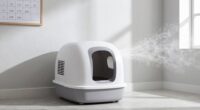
Sealing your diaper pail helps, but it’s not the only factor in controlling odors. The materials used in the pail matter too—high-quality, odor-resistant plastics keep smells from seeping out. Regular cleaning and rinsing liners, along with using odor-absorbing products like baking soda, make a big difference. Also, frequent emptying and good ventilation help prevent stubborn smells. For more tips on keeping your nursery fresh, keep exploring how other steps can improve odor control.

Get oils, diffusers and self-care delivered free with Prime
- Fast, free delivery on millions of items
- Prime Video, Amazon Music and more included
- Member-only deals all year
Key Takeaways
- High-quality, odor-resistant materials prevent smells from seeping through the pail walls.
- Regular cleaning and proper liner maintenance are essential for effective odor control.
- Sealing alone cannot eliminate odors; proper ventilation and odor-absorbing products are also needed.
- Using natural deodorizers like baking soda or charcoal filters helps neutralize lingering smells.
- An integrated approach combining material choice, cleaning routines, and ventilation ensures better odor management.

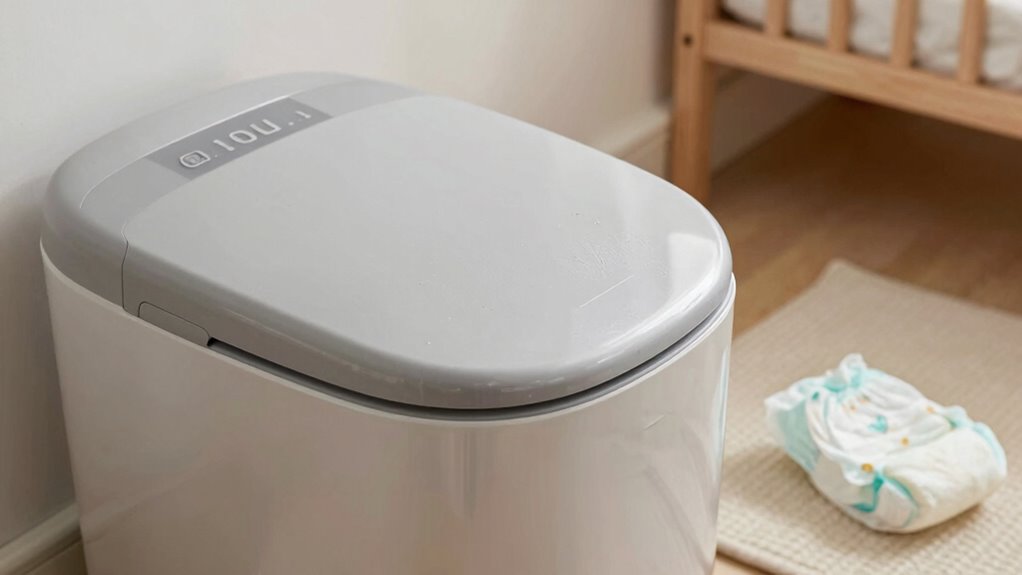
Dealing with diaper pail odor can be a frustrating challenge for any parent or caregiver. You might think that simply sealing the pail tightly will solve the problem, but odor control involves more than just locking in smells. The materials used for your diaper pail play a vital role in how well it contains or absorbs odors. Some pails are made from plastic that’s porous or less durable, which can allow odors to seep through or linger despite a tight seal. Others are constructed with odor-resistant materials or have liners designed specifically to trap smells. Choosing a diaper pail with high-quality, odor-blocking materials can make a noticeable difference.
Using odor-resistant materials in your diaper pail makes a noticeable difference in odor control.
However, material selection isn’t the only factor at play. Even the best diaper pail materials won’t completely eliminate odors if you don’t apply effective odor elimination techniques. Regular cleaning is essential; neglecting to wash the pail or replace liners can lead to buildup of bacteria and lingering smells. Using a mixture of hot water and mild soap, or a vinegar solution, helps break down residue that traps odors. Additionally, many parents find that inserting odor-absorbing products like baking soda or charcoal filters inside the pail can considerably reduce smell. These natural odor eliminators neutralize the smell molecules, preventing them from escaping into the room.
You should also be mindful of your diaper disposal routine. Emptying the pail frequently prevents odors from developing into more stubborn smells. When you do empty it, rinse out the liner and dry it thoroughly before inserting a fresh one. It’s beneficial to keep the pail in a well-ventilated area, as stagnation can worsen odors. Some parents swear by placing a few drops of essential oils inside the lid or on the liner to add a pleasant scent, but remember that scent masks aren’t a substitute for proper cleaning and odor absorption methods. Proper maintenance of your diaper pail, including choosing the right materials and techniques, is essential for effective odor control.
Finally, understanding that sealing isn’t the only factor helps you adopt a more holistic approach to odor control. Combining quality diaper pail materials with consistent odor elimination techniques creates a more effective solution. It’s about maintaining clean, well-ventilated conditions and using products designed to absorb or neutralize smells. With these combined strategies, you’ll find it easier to keep the nursery smelling fresh, even with frequent diaper changes.
As an affiliate, we earn on qualifying purchases.
Frequently Asked Questions
Can Using Scented Bags Reduce Diaper Pail Odor Effectively?
Using scented bags can help reduce diaper pail odor, but they’re not a complete solution. They mask smells temporarily, so you might want to combine them with deodorizing sprays for better results. Regularly emptying the pail and cleaning it also play vital roles. Scented bags and sprays together create a fresher environment, but consistent maintenance is key to truly controlling diaper odors effectively.
How Often Should I Replace the Diaper Pail Liner?
You should replace the diaper pail liner at least once a week or more often if it gets heavily soiled. Following a consistent pail cleaning schedule helps prevent odors and bacteria buildup. Keep an eye on the liner’s condition, and replace it promptly when it starts to smell or shows signs of wear. Regular liner replacement and cleaning are key to keeping your diaper pail fresh and odor-free.
Does the Material of the Diaper Pail Affect Odor Control?
Your diaper pail’s material can make or break odor control—think of it as the fortress against stink! Pail materials like plastic or stainless steel differ in odor absorption; stainless steel absorbs less smell and is easier to clean. The right material acts like a super shield, preventing odors from escaping and lingering. So, choose wisely to turn your diaper duty into a stink-free, fresh experience!
Are There Natural Remedies to Eliminate Diaper Pail Smells?
Yes, you can use homemade sprays and natural deodorizers to eliminate diaper pail smells. Mix baking soda with water or vinegar to create effective natural deodorizers, and spray them inside the pail regularly. You can also add a few drops of essential oils like lavender or lemon to homemade sprays for extra freshness. These natural remedies help neutralize odors without harsh chemicals, keeping your diaper pail smelling fresh.
What’s the Best Storage Location to Minimize Odor Spread?
Think of your storage spot like a fortress against odor. You should place your diaper pail in a well-ventilated area, like a laundry room with open windows, to boost ventilation strategies. Keeping it away from bedrooms and sealed closets helps contain odors. Proper placement minimizes smell spread, making your home fresher. Remember, good airflow and strategic positioning are your best defenses against lingering diaper pail smells.
Conclusion
Remember, a problem shared is a problem halved. Just sealing your diaper pail isn’t enough—you also need to clean it regularly and consider odor-absorbing solutions. Don’t let a little effort turn into a big stink; staying proactive keeps your home fresh and your nose happy. By addressing all factors, you prevent odors from taking over. Keep up the routine, and you’ll keep that diaper pail smelling sweet, proving that a stitch in time saves nine.
Halloween Picks
halloween
As an affiliate, we earn on qualifying purchases.