To maintain bidet hygiene, regularly clean nozzles and check for buildup, ensuring a thorough cleanse. Adjust the water pressure and temperature for comfort and effectiveness, and take advantage of built-in dryers or dry with a soft towel to prevent moisture. Avoid common mistakes like neglecting maintenance or using harsh chemicals. Keeping these tips in mind helps you stay fresh and hygienic—continue exploring to master all the essentials for peak bidet use.
Key Takeaways
- Regularly clean nozzles and check for mineral deposits to maintain optimal hygiene and device performance.
- Adjust water pressure and temperature settings for comfortable, effective cleansing and prevent discomfort.
- Use built-in dryers or soft towels to thoroughly dry after use, preventing moisture-related issues.
- Avoid harsh chemicals and neglecting maintenance to prevent damage and ensure hygienic operation.
- Recognize that proper drying is essential for complete hygiene and overall bidet effectiveness.
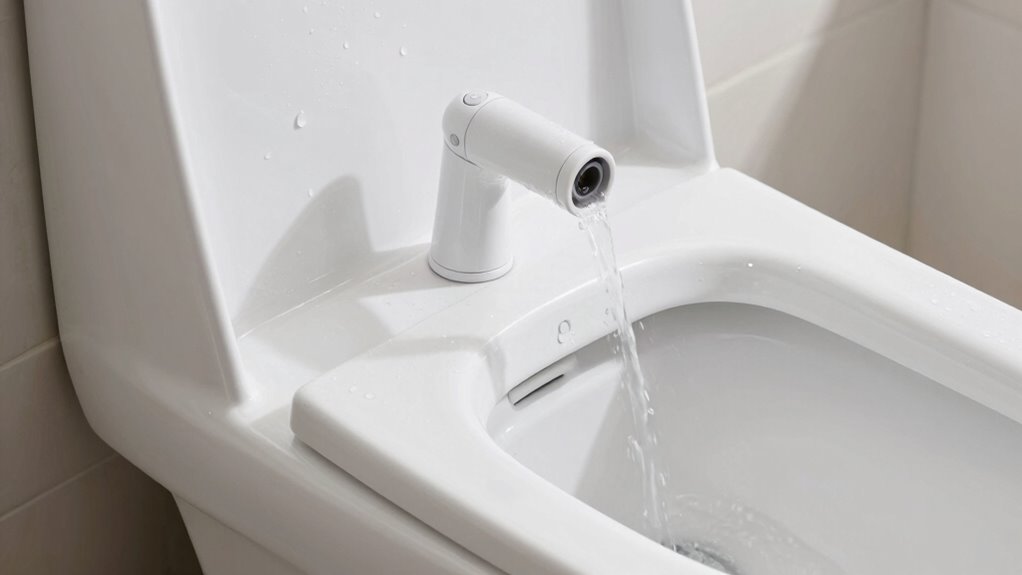
Are you making the most of your bidet for ideal hygiene? If not, it’s time to rethink your approach. A bidet isn’t just about replacing toilet paper; it’s about transforming your bathroom routine into a cleaner, more comfortable experience. One of the key benefits of using a bidet is the opportunity to explore toilet paper alternatives that can reduce waste and improve cleanliness. Instead of relying solely on traditional paper, you can use the gentle water spray to thoroughly cleanse your intimate areas. This not only minimizes paper usage but also helps prevent irritation caused by friction or leftover residue. To maximize these benefits, make sure your bidet is properly maintained. Regular bidet maintenance tips include cleaning nozzles and checking for any build-up or mineral deposits that can hinder performance. Keeping your bidet clean ensures a hygienic experience every time, reducing the risk of bacteria transfer.
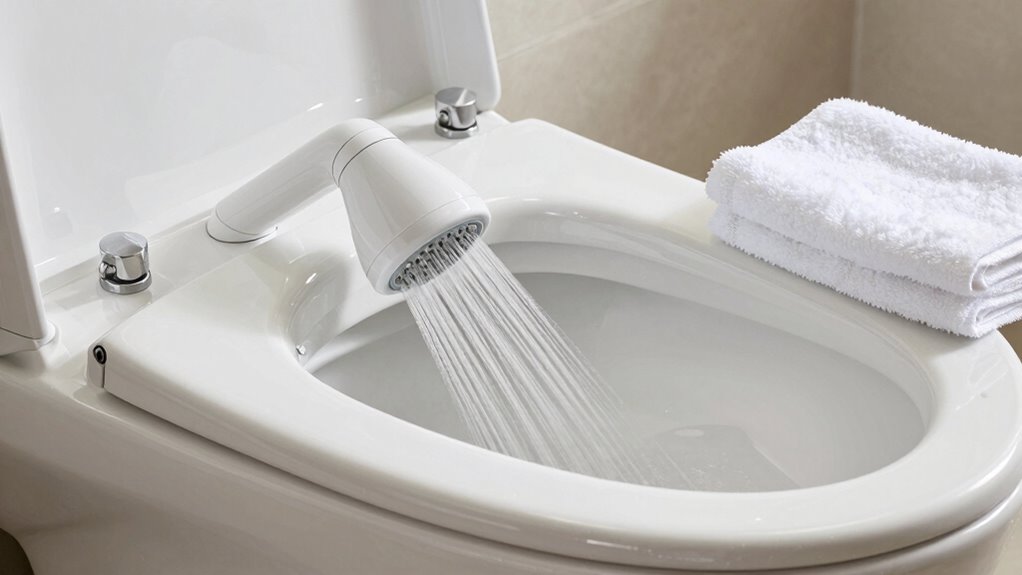
When using your bidet, pay attention to the water pressure and temperature controls to find what feels best for you. Proper adjustment can improve comfort and ensure a thorough cleanse. After using the bidet, many people skip the drying process, but it’s essential for complete hygiene. Some bidets come with built-in dryers, which are convenient and hygienic, eliminating the need for toilet paper altogether. If yours doesn’t have this feature, consider using a soft, clean towel or air-drying to prevent moisture from lingering. Moisture can lead to irritation or fungal issues, so drying thoroughly is an indispensable step.
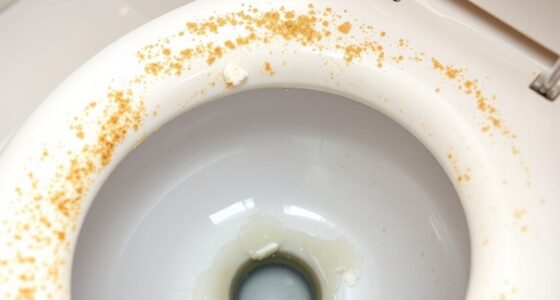
A common mistake people make with bidets is neglecting maintenance or not understanding how to optimize their device’s settings. Over time, mineral deposits can clog nozzles or reduce spray effectiveness, so regular cleaning is critical. Also, avoid using harsh chemicals that could damage the device; instead, opt for gentle, approved cleaning solutions. Another mistake is not adjusting water pressure or temperature, which can make the cleanse uncomfortable or ineffective. Take the time to experiment with settings until you find a comfortable, thorough spray.
Frequently Asked Questions
Can Bidets Replace Toilet Paper Entirely?
Yes, a bidet can replace toilet paper entirely if you maintain it properly. Regular bidet maintenance ensures cleanliness and prevents buildup, making it a dependable toilet paper alternative. Many people find bidets more hygienic and eco-friendly, reducing waste. With consistent use, you can feel fresher and cleaner without relying on traditional toilet paper. Just make sure you adjust water pressure and drying settings for comfort and ideal hygiene.
Are Bidets Suitable for All Skin Types?
If you have sensitive skin or allergy concerns, bidets can be suitable when used correctly. For example, someone with skin sensitivity found that gentle water pressure eased irritation compared to toilet paper. However, you should check for skin sensitivity and avoid harsh sprays or additives. Most bidets are safe for all skin types, but if you experience discomfort, consult a dermatologist to verify they’re right for you.
How Often Should I Clean My Bidet?
You should clean your bidet at least once a week to maintain hygiene and prevent buildup. Follow a regular maintenance schedule by wiping down the nozzles, spray areas, and exterior surfaces with a mild disinfectant. For better performance, check manufacturer recommendations. If you notice any odors or reduced water flow, increase cleaning frequency. Staying consistent with bidet cleaning helps keep it fresh, hygienic, and functioning smoothly.
Is It Safe to Use Bidets During Pregnancy?
Yes, using a bidet during pregnancy is generally safe and can actually be more comfortable. Just make certain your bidet is clean to prevent infections and avoid water pressure that’s too high. Pregnancy safety is important, so if you have concerns or complications, consult your healthcare provider. Be gentle with the water settings, stay hydrated, and maintain good hygiene to make bidet use a safe and comfortable experience throughout your pregnancy.
Can Bidets Help With Medical Conditions Like Hemorrhoids?
Yes, bidets can help with medical conditions like hemorrhoids by providing gentle, soothing relief and reducing anal irritation. They cleanse effectively without harsh wiping, which can worsen discomfort. Using warm water and a soft spray may ease hemorrhoid pain and promote healing. Just be sure to avoid high-pressure settings and dry thoroughly afterward to prevent further irritation, making your bidet a helpful tool for hemorrhoid relief.
Conclusion
Just like a skilled artist perfects their craft, mastering bidet hygiene ensures you leave no trace behind. By keeping everything clean, drying thoroughly, and avoiding common pitfalls, you create a fresh, confident feeling every time. Think of it as your personal reset button—renewing your comfort with each use. Embrace these simple habits, and you’ll enjoy the same peace of mind as a calm lake reflecting a clear sky, pristine and inviting.