TL;DR

Get oils, diffusers and self-care delivered free with Prime
- Fast, free delivery on millions of items
- Prime Video, Amazon Music and more included
- Member-only deals all year
Aromatherapy diffusers disperse essential oils into the air to create a pleasant, calming atmosphere. Choosing the right diffuser depends on your room size, scent preference, and safety needs. Use with care, follow instructions, and remember—effects are primarily about ambiance, not medicine.
Imagine walking into a room filled with a gentle, fragrant mist — calming lavender, zesty citrus, or earthy eucalyptus. That’s the magic of an aromatherapy diffuser in action. But what really happens when you turn one on? And how can you make sure you’re using it safely and effectively?
Many turn to diffusers not just for the scent, but for a cozy, relaxing atmosphere. They’re a simple way to add a sensory layer to your space. Yet, with so many options out there, choosing the right diffuser and knowing how to use it can feel overwhelming. This guide will walk you through the essentials, from types of diffusers to safety tips — so you can create a fragrant oasis without any surprises.
Choose your diffuser based on room size, scent strength, and maintenance ease.
Always follow safety instructions: ventilate, avoid prolonged use, and keep oils out of reach of children and pets.
Ultrasonic diffusers add humidity and are quiet, perfect for bedrooms, while nebulizers deliver a stronger scent faster.
Market trends focus on smart features and design, but safety and quality should guide your purchase.
Diffusing oils is about creating ambiance, not treating health conditions — be cautious and informed.
What Are Aromatherapy Diffusers and How Do They Work?
Aromatherapy diffusers are devices that disperse essential oils into the air, filling your space with scent and ambiance. Understanding their function involves more than just knowing they release aroma; it’s about recognizing how each type influences your environment and your experience. For instance, ultrasonic diffusers use water and vibrations to produce a fine mist, which not only disperses scent but also adds a slight humidity boost—beneficial in dry climates but potentially problematic in already humid spaces. Nebulizers, on the other hand, deliver pure, concentrated oils directly into the air, creating a more intense scent that can quickly fill large or open areas but may deplete your oil supply faster. Evaporative diffusers rely on airflow passing through wicks or pads, offering a gentler, more passive scent release suited for continuous, low-maintenance use. Heat diffusers warm oils to encourage evaporation, which can alter delicate aromas or diminish certain therapeutic qualities due to heat degradation. Recognizing these tradeoffs helps you select a diffuser that aligns with your goals—whether you seek a subtle background scent, a quick and potent aroma, or a humidifying effect. These choices impact not only your scent experience but also your oil consumption, maintenance routine, and the overall ambiance you create. Understanding these differences allows you to weigh the pros and cons of each type, ensuring you choose a device that complements your lifestyle and scent preferences while considering factors like energy use, ease of cleaning, and the therapeutic integrity of your oils.
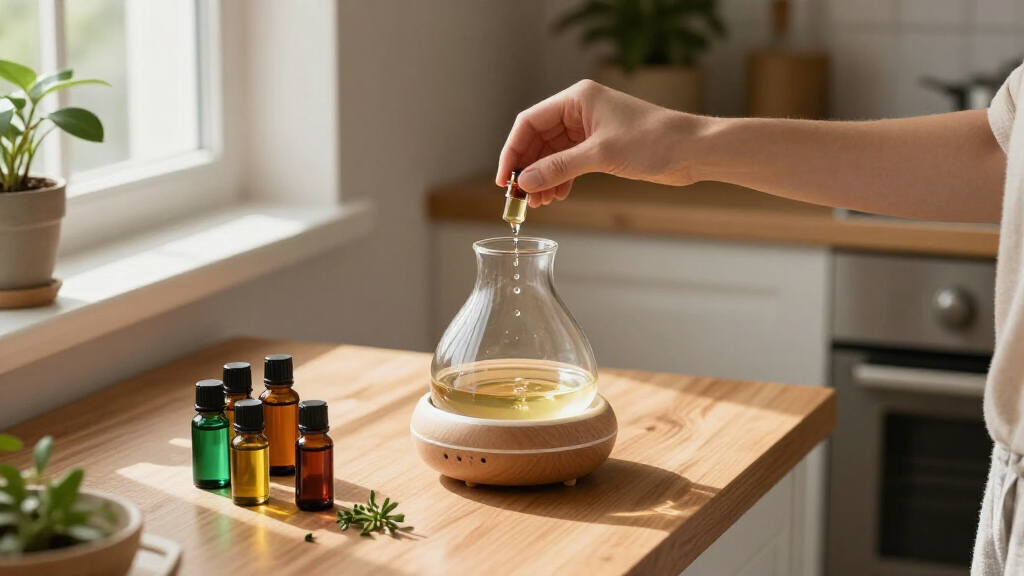
ultrasonic aromatherapy diffuser with essential oils
As an affiliate, we earn on qualifying purchases.
As an affiliate, we earn on qualifying purchases.
How to Pick the Perfect Diffuser for Your Space and Lifestyle
Choosing the right diffuser involves understanding how its features and limitations directly impact your daily routine and environment. For example, larger rooms require diffusers with higher output or multiple units to maintain a consistent scent, which can lead to increased oil use and noise. Conversely, in smaller spaces like bedrooms or offices, compact ultrasonic models excel because they operate quietly, add humidity, and can run for hours without disturbance—creating a calm, ambient environment. The scent strength you prefer also influences your choice: nebulizers produce the most concentrated aroma, making them ideal for filling large or open areas quickly, but they can be more expensive and consume oils rapidly. Evaporative diffusers offer a subtle, continuous scent with minimal maintenance, suited for those who want a gentle background aroma without frequent refilling. Noise level is another key factor; ultrasonic diffusers are typically quiet, ideal for sleep or work, whereas nebulizers can be louder due to their mechanism. Ease of cleaning determines long-term usability—devices with removable parts or fewer crevices reduce mold and residue buildup, which is crucial for maintaining air quality and device longevity. Features like timers, automatic shutoff, or app controls add convenience but also complexity; consider whether you prefer a straightforward device or one with advanced customization options. By weighing these factors—size, scent intensity, noise, maintenance, and features—you can select a diffuser that seamlessly integrates into your routine, offering consistent, safe, and enjoyable aromatherapy that aligns with your lifestyle and aesthetic preferences.
Safety First: How to Use Diffusers Without Risks
Using your diffuser responsibly is key to enjoying the benefits without health concerns. Proper usage involves more than just turning it on. Understanding how inhaling certain oils affects your body is crucial, especially over extended periods. For example, some oils can cause respiratory irritation or allergic reactions, particularly in sensitive individuals or those with pre-existing respiratory conditions. Overexposure can also lead to headaches, nausea, or dizziness if the room isn’t adequately ventilated. Therefore, ventilating your space before and during diffusion helps maintain indoor air quality and prevents the buildup of concentrated oils. If anyone experiences adverse reactions, such as coughing, skin irritation, or dizziness, promptly stop diffusion, increase ventilation, and assess the oils used. Keep oils and devices out of reach of children and pets, as many essential oils are highly toxic when ingested or absorbed in high doses—cats and birds are especially vulnerable. Never ingest oils or apply them undiluted on your skin, as this can cause burns or allergic reactions; diffusion is safe when oils are used as directed and inhaled in moderation. Proper storage in a cool, dark place preserves oil quality and prevents oxidation, which can produce harmful compounds. Regular cleaning of your diffuser prevents mold and residue buildup, reducing the risk of microbial contamination. These precautions protect your health, extend the life of your device, and ensure you experience the benefits of aromatherapy safely. Remember, each oil has unique properties—familiarize yourself with their effects and monitor your responses to avoid unintended reactions, especially if you or your loved ones have sensitivities or health issues.
Latest Trends in Diffusers and Essential Oils Market
Market trends focus on smart, stylish, and eco-friendly designs, reflecting a growing consumer demand for convenience and aesthetic appeal. Today’s diffusers often feature app connectivity, programmable schedules, and sleek, minimalistic looks that seamlessly blend into modern decor. These technological advancements offer greater control over mist intensity, timing, and lighting, allowing users to customize their experience easily. The trend toward portable, compact models caters to busy lifestyles and travel needs, making aromatherapy accessible anywhere. Refill systems with responsibly sourced, natural oils emphasize sustainability and quality, aligning with the rising consumer awareness about environmental impact. LED lights incorporated into many designs serve dual purposes—creating ambiance and enhancing mood. Brands like Vitruvi, Muji, and InnoGear lead the market by combining aesthetics with functionality, making diffusers not just tools but stylish decor pieces. While these innovations improve user experience, it’s important to remember that the core therapeutic benefits depend primarily on the quality of the oils and responsible use, not just the device’s features. Some smart features may add complexity or potential points of failure, so consider your comfort with technology. Ultimately, the best diffuser balances aesthetic appeal, safety, ease of use, and quality, ensuring a satisfying and healthful aromatherapy experience.
Answering Your Top Questions About Diffusing Essential Oils
Here are some common questions answered:
- What does an aromatherapy diffuser do? It disperses essential oils into the air, creating a pleasant scent and ambiance, but it’s not a medical device. The effects are primarily atmospheric and psychological, supporting relaxation and mood but not replacing medical treatment. The way it disperses oils influences how quickly and intensely the scent fills a space, which can affect your overall experience—rapid, concentrated diffusion may be more overwhelming or irritating, while gentle, ongoing diffusion offers a subtler environment.
- Which diffuser is best for me? It depends on your room size, scent preference, and maintenance willingness. Ultrasonic diffusers are quiet, add humidity, and are suitable for bedrooms and offices, but may produce a slightly damp environment if used excessively. Nebulizers provide a concentrated, potent scent rapidly, making them ideal for large or open spaces, but they can be more expensive and consume oils faster. Evaporative diffusers are simple, require minimal maintenance, and offer a consistent, light scent—great for continuous use in smaller spaces.
- How many drops should I use? Follow the manufacturer’s instructions, but generally 3-5 drops per 100 mL of water is a good starting point. Using too much oil can lead to overwhelming scents or residue buildup, while too little may produce a weak aroma. Adjust based on your scent preference and the potency of the oil—some oils are stronger and require fewer drops for a balanced experience.
- Can I diffuse every day? Yes, but moderation is key. Daily diffusion is safe when used with timers and proper ventilation to prevent overexposure. Overuse can cause sensitivities, headaches, or respiratory irritation, especially in sensitive individuals or those with pre-existing conditions. Pay attention to how your body responds and adjust duration or frequency accordingly.
- Is diffusing safe for pets? It varies. Many essential oils are toxic to animals, particularly cats and birds, even in small quantities. Always research specific oils before diffusing around pets, and ensure they can leave the space if they show signs of distress. Consult your veterinarian for guidance on safe oils and concentrations. Never force diffusion if your pets appear uncomfortable or distressed, and always prioritize their safety. Properly ventilated, well-chosen oils can minimize risks, but vigilance is essential for pet safety.
For specific oils, check their botanical name and origin to ensure quality and safety. Avoid synthetic fragrances, as they can irritate respiratory systems and offer no therapeutic benefit, potentially doing more harm than good.
Conclusion
Your diffuser is more than just a device — it’s a gentle way to craft a calming, sensory space. But it’s not magic. Use it responsibly, pick the right type for your needs, and remember that the real power lies in how you incorporate scents into your daily routine.
So, fill your diffuser with high-quality oils, set your timer, and enjoy a moment of peace in your busy day. Your senses, and your space, will thank you.
Evergreen bestsellers Picks
bestsellers
As an affiliate, we earn on qualifying purchases.