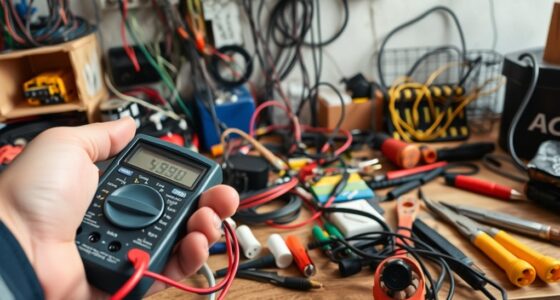
Thermal cameras help you spot hidden issues early by detecting heat signatures invisible to the naked eye. They show temperature differences that reveal overloading circuits, failing machinery, or insulation gaps, allowing you to address problems before they turn into disasters. This proactive approach prevents costly repairs, safety hazards, and system failures. By catching these issues early, you can keep things safe and efficient—discover more ways thermal imaging safeguards your safety and operations as you explore further.

Get oils, diffusers and self-care delivered free — and shop member deals
- Fast, free delivery on millions of items
- Access to Prime Big Deal Days deals on October 6–7
- Prime Video, Amazon Music and more included
Key Takeaways
- Detects hidden heat signatures indicating early electrical or mechanical failures before visible damage occurs.
- Identifies insulation gaps, leaks, or moisture intrusion that could lead to structural damage if left unchecked.
- Reveals overheating components, preventing fires and costly system breakdowns through proactive maintenance.
- Visualizes temperature differences to spot potential hazards or abnormal conditions early.
- Supports routine inspections to address issues proactively, reducing the risk of disasters and costly repairs.
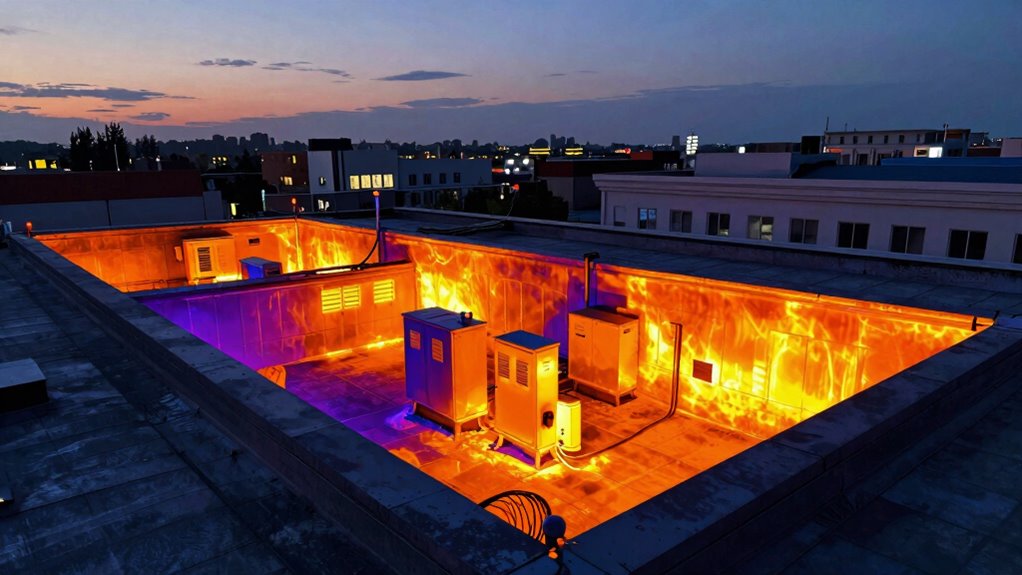
Thermal cameras have become essential tools for identifying problems that aren’t visible to the naked eye. They allow you to see what’s hidden beneath surfaces by detecting infrared imaging, which reveals heat signatures that are otherwise invisible. This capability makes them invaluable for preventative maintenance, safety inspections, and early problem detection. Instead of waiting for signs of failure or damage, you can use thermal cameras to spot issues before they escalate into costly disasters.
Thermal cameras reveal hidden issues through infrared heat signatures, enabling proactive maintenance and early problem detection.
When you use thermal imaging, you gain the ability to visualize temperature differences across various objects and environments. For example, in electrical systems, abnormal heat signatures can indicate overloaded circuits or failing components. Catching these irregularities early prevents electrical fires or system breakdowns. Similarly, in plumbing or HVAC systems, leaks or blockages often cause temperature anomalies that thermal cameras can detect. By identifying these issues early, you avoid water damage, mold growth, or energy loss, saving you money and stress down the line.
Infrared imaging with thermal cameras also plays a vital role in building inspections. You can quickly identify insulation gaps, air leaks, or moisture intrusion that might compromise structural integrity or energy efficiency. Spotting these problems early means you can address them before they lead to more extensive damage or increased utility bills. This proactive approach not only keeps your property safe but also reduces long-term expenses. Understanding infrared imaging can help you better interpret thermal data and make more informed decisions about repairs and maintenance. Being aware of thermal anomalies is crucial for accurate diagnosis and effective resolution of issues.
In addition to infrastructure, thermal cameras help with safety assessments in industrial settings or even in your home. For instance, detecting overheated machinery or electrical panels can prevent fires or equipment failure. Similarly, during a health emergency, thermal imaging can identify individuals with abnormal body temperatures, aiding in early disease detection and containment efforts. Using thermal cameras for early problem detection can significantly reduce the risk of accidents and costly repairs. Incorporating thermal imaging technology into your regular maintenance routine is an effective way to enhance overall safety and efficiency. Recognizing potential hazards through thermal imaging can help you take preventive actions before accidents occur. Additionally, understanding the thermal signatures of different materials can improve diagnostic accuracy and maintenance planning.
infrared thermal camera for home inspection
As an affiliate, we earn on qualifying purchases.
As an affiliate, we earn on qualifying purchases.
Frequently Asked Questions
How Accurate Are Thermal Cameras in Detecting Hidden Issues?
Thermal cameras are quite accurate in detecting hidden issues, thanks to their high infrared sensitivity and calibration accuracy. You can rely on them to spot temperature differences that reveal problems like insulation leaks or electrical faults. However, their precision depends on proper calibration and environmental conditions. When maintained correctly, thermal cameras provide reliable, detailed insights that help you identify potential disasters early, saving time and resources.
Can Thermal Cameras Be Used Outdoors in Extreme Weather Conditions?
Yes, thermal cameras can be used outdoors in extreme weather conditions, thanks to their weather resilience and outdoor performance capabilities. Imagine a thermal camera standing firm against rain, snow, or scorching heat, still accurately detecting temperature differences. They’re designed to withstand harsh environments, ensuring you can rely on their precision for early problem detection, regardless of weather challenges. This makes them invaluable tools for outdoor inspections and disaster prevention.
What Is the Typical Lifespan of a Thermal Camera Device?
A thermal camera typically lasts between 5 to 10 years, depending on usage and maintenance. You’ll want to guarantee regular sensor calibration to keep accuracy high and maintain ideal image resolution over time. Proper care, like protecting it from harsh weather and handling it gently, helps extend its lifespan. Investing in quality models also means you get better durability and performance, making it a reliable tool for detecting problems early.
Are Thermal Cameras Suitable for Detecting Electrical Faults?
Yes, thermal cameras are suitable for detecting electrical faults. Through infrared inspection, you can easily identify hot spots or abnormal temperatures that indicate potential electrical safety issues. By regularly monitoring electrical panels and connections with thermal imaging, you prevent failures and reduce fire risks. This proactive approach allows you to address problems early, ensuring safer electrical systems and avoiding costly repairs or hazards before they escalate.
How Much Do Thermal Cameras Generally Cost for Industrial Use?
A penny saved is a penny earned, so understanding costs is key. For industrial use, thermal cameras typically range from $2,000 to over $10,000, depending on features and resolution. When making a cost comparison, consider your budget considerations and the potential savings from early fault detection. Higher-end models offer advanced capabilities, but even mid-range cameras can provide valuable insights without breaking the bank.
Conclusion
Thermal cameras are invaluable tools for catching issues early, saving you time and money before problems escalate. Some might think they’re unnecessary or too costly, but their ability to detect hidden issues quickly makes them a smart investment. By identifying potential disasters early, you protect your property, safety, and peace of mind. Embracing this technology now means fewer surprises later—so don’t wait until minor problems turn into major crises.
Fall Picks
fall essentials
As an affiliate, we earn on qualifying purchases.