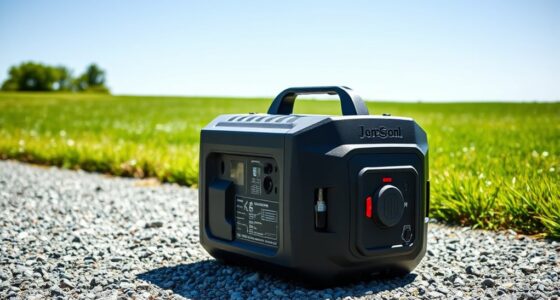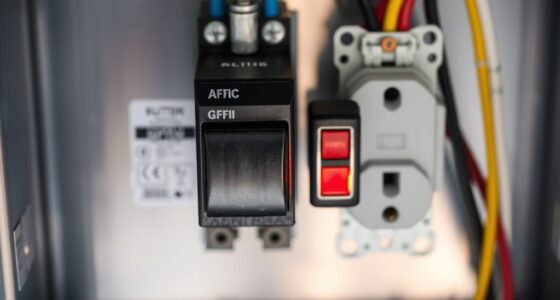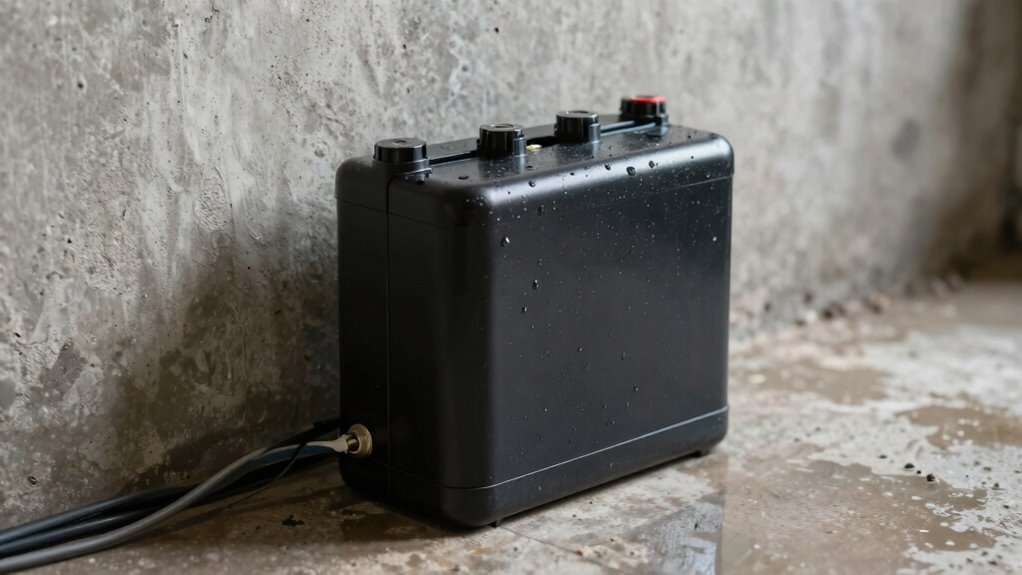

A sump pump battery backup helps protect your basement from flooding during power outages or if the main pump fails. It keeps water out even during heavy storms, giving you peace of mind. However, it can’t prevent water seepage through foundation cracks or external flooding that bypasses the sump system. For a full understanding of what your backup can do and its limits, keep exploring key tips and best practices.

Get oils, diffusers and self-care delivered free with Prime
- Fast, free delivery on millions of items
- Prime Video, Amazon Music and more included
- Member-only deals all year
Key Takeaways
- Protects your basement from flooding during power outages or pump failures.
- Prevents water damage caused by heavy storms when main power is lost.
- Cannot stop groundwater seepage through foundation cracks or external water sources.
- Does not eliminate all flood risks if drainage systems are poor or sump basin is badly maintained.
- Regular maintenance ensures reliable backup but cannot compensate for structural or external flooding issues.

A sump pump battery backup is an essential safety device that keeps your basement dry during power outages or pump failures. When heavy storms roll in, the last thing you want is to worry about flooding. This backup system provides peace of mind by guaranteeing your sump pump continues to operate when the main power source fails. To maximize its effectiveness, you need to stay ahead with proper storm preparedness and regular maintenance tips. Regularly inspecting your backup system is vital; check the battery’s charge, connections, and overall condition. A well-maintained battery can last several years, but neglect can lead to sudden failures when you need it most. During storm seasons, it’s wise to test your backup monthly to confirm it kicks in properly. This proactive approach prevents surprises when a storm hits, and your primary pump can’t run. Keep spare batteries on hand, especially before heavy weather, so you’re prepared for unexpected failures. It’s also a good idea to keep the area around your sump pump clean and free of debris, ensuring unobstructed operation during critical times. Proper maintenance tips include checking the battery terminals for corrosion, cleaning them if necessary, and ensuring the backup system’s alarm sounds correctly to alert you of issues. Most backup systems come with an alarm feature that alerts you if the battery runs low or if there’s a malfunction, so pay attention to these alerts and address them promptly. Storm preparedness involves more than just the backup system; include creating an emergency plan, monitoring weather forecasts, and knowing how to manually operate your sump pump if needed. Additionally, understanding how navigation and mapping in robotic systems can assist in inspecting your sump pit and drainage areas ensures thorough maintenance and early detection of potential issues. Remember, no backup system can prevent every flood, especially if your sump pit isn’t properly sealed or if drainage systems are overwhelmed. While a sump pump battery backup dramatically reduces flood risk, it can’t compensate for poor drainage or a badly maintained sump basin. It’s also essential to understand what a backup can’t do—such as preventing groundwater seepage through foundation cracks or dealing with external water sources that bypass your sump pump. By combining a reliable backup with good storm preparedness and consistent maintenance, you’ll be better equipped to protect your home from water damage. Ultimately, investing in a sump pump battery backup and staying vigilant with maintenance tips ensures you’re prepared for the worst, giving you confidence that your basement remains dry no matter the weather.
As an affiliate, we earn on qualifying purchases.
Frequently Asked Questions
How Long Can a Sump Pump Battery Backup Operate During a Power Outage?
During a power outage, your sump pump battery backup typically operates for about 4 to 8 hours, depending on the battery’s capacity and the power demand. Battery life varies based on usage and maintenance. To maximize power duration, verify your battery is fully charged and replace it when needed. Regularly testing your backup system helps ensure it will keep working when you need it most.
What Maintenance Is Required for a Sump Pump Battery Backup System?
You should regularly check your sump pump battery backup to make certain it’s reliable. Replace the battery every 3-5 years or when it shows signs of weakness. Also, prevent corrosion by cleaning terminals and ensuring connections are tight. By maintaining battery health and preventing corrosion, you keep your backup system ready for emergencies, giving you peace of mind during storms or power outages. Don’t overlook this essential step to protect your home.
Can a Sump Pump Battery Backup Prevent Basement Flooding Entirely?
A sump pump battery backup can’t prevent basement flooding entirely, but it considerably reduces the risk during power outages. To make certain it works effectively, you need regular system installation checks and timely battery replacement. Keep the backup system maintained and test it frequently. While it’s a valuable safeguard, don’t rely solely on it—consider additional flood prevention measures for thorough protection.
How Often Should I Test My Sump Pump Battery Backup?
You should test your sump pump battery backup at least once a month to catch issues early. Imagine a storm hits unexpectedly; your system kicks in, and you realize the battery needs replacement. Regular system monitoring helps guarantee your backup operates smoothly. During tests, check the battery’s charge and connections, and replace it if it’s weak. Consistent testing keeps your system reliable when you need it most.
What Is the Lifespan of a Typical Sump Pump Battery Backup?
A typical sump pump battery backup lasts about 3 to 5 years, but you’ll need to take into account battery replacement as it ages. Regular testing helps guarantee your backup maintains sufficient capacity during power outages. Keep an eye on signs of decreased backup capacity, like slower pump response, so you can replace the battery before failure. Proper maintenance extends its lifespan, giving you peace of mind during storms or outages.
Conclusion
A sump pump battery backup can be your home’s first line of defense during power outages, protecting you from costly flooding. Did you know that over 60% of basement floods happen during storms when power is often lost? With a backup system, you prevent those costly, stressful emergencies and keep your home safe. Don’t wait until it’s too late—invest in a reliable backup and give yourself peace of mind, rain or shine.
Halloween Picks
halloween
As an affiliate, we earn on qualifying purchases.