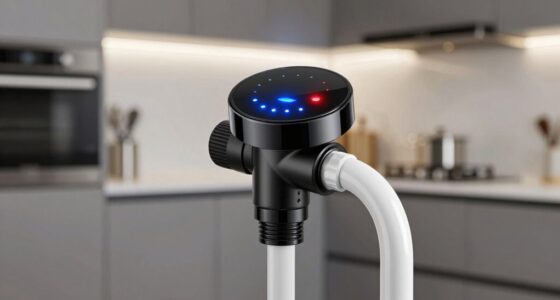
Stove fire suppression systems are essential because kitchens face constant fire hazards from overheated oils, flammable materials, and unattended cooking. They quickly detect heat or flames and activate automatically, preventing small incidents from turning into disasters. Installing these systems not only enhances safety but also protects property and minimizes injury risks. Kitchens, whether residential or commercial, deserve extra attention to guarantee safety. Want to discover how these systems can keep your space safer? Keep going to learn more.

Get oils, diffusers and self-care delivered free — and shop member deals
- Fast, free delivery on millions of items
- Access to Prime Big Deal Days deals on October 6–7
- Prime Video, Amazon Music and more included
Key Takeaways
- Kitchens are high-risk areas where unattended cooking can quickly escalate into dangerous fires.
- Stove fire suppression systems provide rapid, automatic response, reducing property damage and safety hazards.
- Installing these systems enhances safety for both residential and commercial kitchens, preventing costly disasters.
- Early detection technology offers an additional safety layer by alerting before fires fully develop.
- Proper fire suppression systems address specific kitchen hazards, ensuring tailored and effective fire prevention.

A stove fire can quickly escalate, causing damage and risking lives if not promptly controlled. That’s why implementing effective stove fire suppression systems is essential for maintaining fire safety in your kitchen. Kitchens are filled with potential hazards—flammable oils, paper towels, and cloths—that can ignite unexpectedly, turning a small incident into a dangerous blaze. Recognizing these kitchen hazards and proactively addressing them with proper equipment can make all the difference in preventing disaster.
Many people underestimate how fast a stove fire can spread. What begins as a small flare-up on the stove can quickly ignite nearby surfaces or cabinets, especially if grease catches fire. Traditional fire extinguishers can be helpful, but they require quick identification of the fire type and proper handling, which may not always happen in a panic. That’s where specialized stove fire suppression systems come into play. These systems are designed specifically for kitchens, providing rapid response to fires that originate from cooking appliances. They work by automatically detecting heat or flames and releasing a fire-suppressing agent to smother the blaze before it grows out of control.
Specialized stove fire suppression systems detect heat or flames and quickly smother kitchen fires.
Investing in a stove fire suppression system not only enhances fire safety but also addresses the common kitchen hazards that contribute to fires. For example, many fires start because cooking oils overheat or are left unattended. With an automatic suppression system installed, you eliminate the risk of human error in the critical moments before a fire gets out of hand. Plus, these systems are discreet and don’t interfere with your daily routine, activating only when necessary. This means you can cook with confidence, knowing that if a fire does ignite, the system will respond immediately to contain it. Moreover, these systems often feature early detection technology, which provides an additional layer of safety by alerting you to potential issues before a fire starts. Understanding the fire safety principles involved in these systems can further enhance your preparedness.
In commercial kitchens, where multiple stoves and appliances operate simultaneously, the importance of a dedicated suppression system cannot be overstated. It ensures the safety of staff and customers while protecting valuable property. But even in residential settings, the peace of mind that comes with a reliable stove fire suppression system is worth the investment. It reduces the potential for costly damages and minimizes the risk of injury. Additionally, understanding the fire hazards present in kitchens can help you better prepare and prevent such incidents from occurring. Incorporating fire safety measures tailored specifically to cooking environments can further reduce risks.
Ultimately, kitchens deserve more attention when it comes to fire safety. Recognizing the hazards and installing a dedicated stove fire suppression system is a proactive step that safeguards your home, loved ones, and property. Installing fire suppression systems can significantly reduce the chances of a small incident turning into a catastrophe. Don’t wait for a fire to force your hand—prepare in advance. Because in the world of kitchen hazards, prevention is always better than cure.
As an affiliate, we earn on qualifying purchases.
Frequently Asked Questions
How Often Should Stove Fire Suppression Systems Be Inspected?
You should inspect your stove fire suppression system at least once a year to guarantee fire safety and effectively address kitchen hazards. Regular inspections help identify potential issues before they become emergencies. If you notice any damage, or if the system has been triggered, schedule an immediate professional check. Staying vigilant with inspections not only keeps your kitchen safe but also ensures your suppression system works perfectly when needed.
Are Fire Suppression Systems Suitable for Residential Kitchens?
Imagine a quiet evening in your kitchen, flames suddenly dancing on the stove. Fire suppression systems are indeed suitable for residential kitchens, offering essential fire prevention and enhancing kitchen safety. They act quickly to contain fires before they spread, giving you peace of mind. Investing in these systems guarantees your home is protected, making your cooking space safer for everyone. Don’t wait—fire suppression systems are a smart choice for home safety today.
What Is the Average Cost of Installing a Stove Fire Suppression System?
You’ll typically spend between $1,000 and $2,500 to install a stove fire suppression system, depending on your kitchen’s size and the system’s features. This investment enhances fire safety by quickly extinguishing fires, reducing damage, and protecting your loved ones. Look for equipment that boasts durability and reliable performance, ensuring it works effectively when needed most. Proper installation by professionals guarantees safety and peace of mind.
Can Fire Suppression Systems Be Manually Activated?
Yes, fire suppression systems can be manually activated, ensuring quick response during emergencies. You can manually trigger these systems through dedicated pull stations or override switches, providing immediate control when needed. This manual activation enhances emergency readiness, allowing you to act swiftly in a crisis. By having this option, you create a proactive safety environment, empowering you to protect your kitchen and loved ones effectively during unexpected fire incidents.
Do Fire Suppression Systems Require Regular Maintenance or Refilling?
Yes, fire suppression systems require regular maintenance and recharging. You should follow the manufacturer’s maintenance schedules to guarantee the system functions properly when needed. This includes inspecting, testing, and replacing parts or extinguishing agents as necessary. Regular recharging keeps the system ready for any fire incident. Staying on top of maintenance not only complies with safety codes but also guarantees your kitchen remains protected and your system performs effectively during emergencies.
Conclusion
Think of your kitchen as a sanctuary, where flames symbolize chaos and danger lurking beneath the surface. A stove fire suppression system acts as a vigilant guardian, ready to extinguish those sparks before they grow. By installing one, you’re planting a shield of safety around your family’s haven—an unyielding guardian that quietly protects what matters most. Don’t wait for the fire to write its story; instead, be the author of your safety.
Fall Picks
fall essentials
As an affiliate, we earn on qualifying purchases.