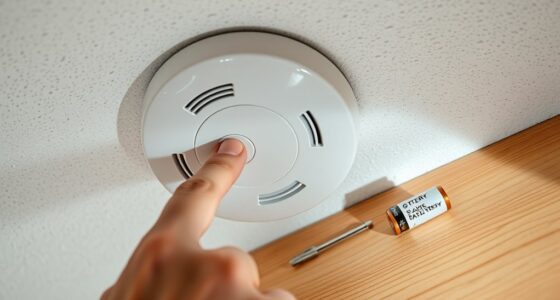
A safety-layered home actively combines multiple prevention strategies, like securing furniture, installing detectors, and maintaining safety devices. You assess risks regularly, adapt safety measures as kids grow, and foster a culture of hazard awareness. By layering precautions—such as safety gates, clear emergency plans, and safe organization—you create multiple barriers against accidents. Keep exploring how these layers work together to make your home safer, and you’ll find simple ways to strengthen your protection plans.

Get oils, diffusers and self-care delivered free with Prime
- Fast, free delivery on millions of items
- Prime Video, Amazon Music and more included
- Member-only deals all year
Key Takeaways
- Multiple safety measures are implemented at different levels, creating overlapping protections that reduce hazards if one layer fails.
- Regular maintenance and updates ensure all safety devices function effectively over time.
- Households foster a safety-conscious mindset, encouraging proactive hazard identification and reporting.
- Structural adjustments secure heavy furniture and eliminate common trip or fall risks.
- Emergency preparedness plans and drills ensure quick, coordinated responses to various incidents.
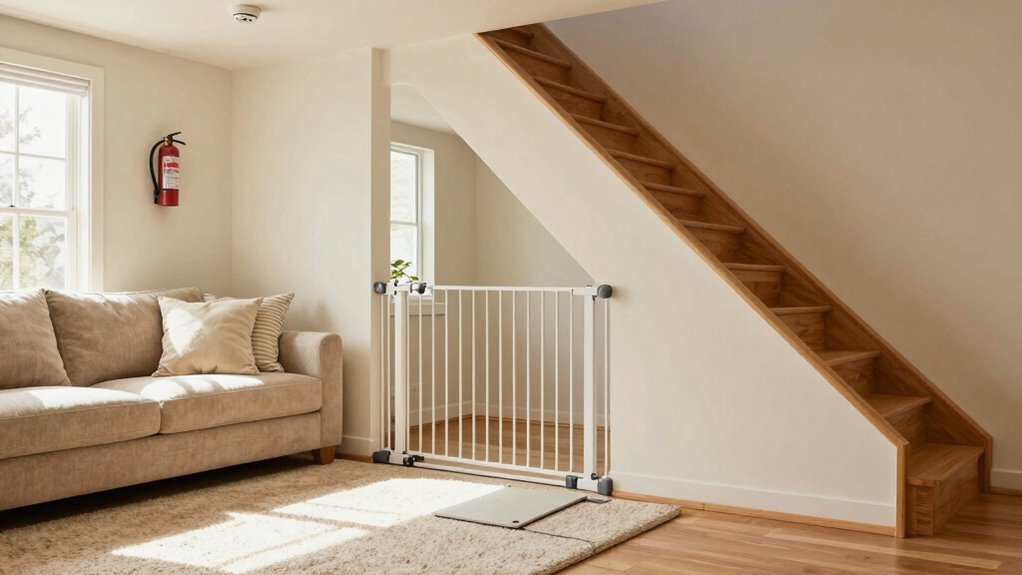
Have you ever wondered how to make your home safer for everyone inside? Creating a safety-layered environment isn’t about eliminating all risks but about thoughtfully reducing them so accidents become less likely. One of the first steps involves implementing childproofing measures if you have little ones. You can do this by securing cabinets with latches, covering electrical outlets, and installing safety gates at stairways. These measures act as barriers, preventing children from accessing hazards and helping you avoid common accidents like falls, electrical shocks, or poisoning. Childproofing isn’t a one-time task; it’s an ongoing process that adapts as your children grow and as you identify new risks.
Creating a safety-layered home involves ongoing childproofing, hazard prevention, and regular safety upgrades for lasting protection.
Beyond childproofing, emergency preparedness plays a crucial role in establishing safety layers. It means having a clear plan for various emergencies—fire, medical incidents, natural disasters—and ensuring everyone in the household knows what to do. This might involve installing smoke and carbon monoxide detectors, keeping fire extinguishers accessible, and having first aid kits readily available. Practice regular drills so everyone knows how to respond calmly and efficiently in stressful situations. When emergency preparedness is integrated into your home’s safety strategy, it transforms reactive responses into proactive measures, greatly reducing potential harm. Incorporating home safety assessments can help identify overlooked hazards and improve your safety layers further. Regularly updating safety plans based on new risks or household changes is also vital for maintaining effective layers of protection.
Creating a safety-layered home also involves structural and environmental adjustments. Secure heavy furniture and appliances to walls to prevent tipping, especially if children or elderly family members live with you. Use non-slip mats in bathrooms and on stairs to prevent slips and falls. Keep choking hazards and sharp objects out of reach, and ensure your home’s lighting is adequate to prevent trips in the dark. These physical modifications serve as the first line of defense against accidents, making it less likely that a simple mistake leads to injury. Additionally, understanding risk management principles can help you prioritize which safety measures to implement first based on your household’s specific needs. Regularly review safety protocols and update them as your household’s circumstances change to maintain effective safety layers. Incorporating feedback from household members about potential hazards can also improve your safety strategies.
Furthermore, fostering a safety-conscious mindset among all household members contributes to layered safety. Teach children about boundaries and hazards in an age-appropriate way. Encourage everyone to report hazards or unsafe conditions so they can be addressed promptly. Regular maintenance of home systems, like checking smoke alarms, fixing leaks, or replacing worn-out fixtures, ensures that safety measures remain effective. Cultivating this mindset helps to create a culture of safety that sustains the physical safeguards over time. Promoting awareness about hazard prevention encourages proactive behavior and helps prevent accidents before they occur.
Ultimately, making your home safety layered means combining physical safeguards, proactive planning, ongoing education, and maintenance. It’s about creating multiple levels of protection that work together, so even if one layer is compromised, others remain in place to prevent accidents. When you approach home safety with this mindset, you turn your living space into a resilient environment—less accident-prone, more prepared for emergencies, and safer for everyone inside.
As an affiliate, we earn on qualifying purchases.
Frequently Asked Questions
How Can I Assess My Home’s Current Safety Layers Effectively?
You can assess your home’s safety layers by conducting regular home safety audits, focusing on hazard identification. Walk through each room, look for potential dangers like loose rugs, sharp edges, or blocked exits, and note them down. Check smoke and carbon monoxide detectors, ensuring they’re functional. Involve family members to get different perspectives. This proactive approach helps you identify vulnerabilities and strengthen your safety layers effectively.
What Are Common Overlooked Hazards in Home Safety?
Have you ever considered hidden hazards lurking around your home? Overlooked dangers like loose rugs, unsecured cords, or poor lighting often go unnoticed during safety audits. These hazards can cause slips, trips, or falls. Regular safety audits help reveal these unseen risks, allowing you to address them before accidents happen. Keep an eye out for these common overlooked hazards to guarantee your home stays a safe, layered environment for everyone.
How Often Should Safety Measures Be Reviewed or Updated?
You should review and update your safety measures at least once a year, especially focusing on safety technology and emergency preparedness. Regularly check smoke alarms, carbon monoxide detectors, and fire extinguishers to guarantee they’re working properly. Keep emergency plans current, and incorporate new safety technology as it becomes available. Doing this helps you stay prepared and minimizes hazards, creating a truly layered safety system that adapts to any changes in your home.
Are There Specific Safety Layers for Children or Elderly Residents?
To safeguard your loved ones, you should adopt dedicated safety layers for children and elderly residents. Child-proofing strategies include securing cords, covering outlets, and installing safety gates. For elderly safety measures, consider grab bars, non-slip mats, and easy-to-reach essentials. These tailored tactics create an all-encompassing safety shield, preventing accidents and promoting independence. By layering these precautions, you guarantee your home remains a safe, secure sanctuary for everyone.
What Budget Considerations Are Involved in Enhancing Home Safety?
You should focus on budget prioritization by identifying the most critical safety needs first, like securing stairs or installing smoke detectors. Safety investment strategies involve allocating funds gradually, starting with high-impact improvements. Keep costs manageable by shopping for affordable safety devices and DIY options when possible. By planning your safety upgrades thoughtfully, you guarantee your home remains secure without overspending, making safety accessible and sustainable for everyone.
Conclusion
Think of your home as a fortress built with safety layers—each one designed to catch hazards before they cause harm. While no home is completely accident-proof, adding multiple safety features markedly reduces risks. Some believe that a layered approach can even prevent accidents before they happen, creating a safer environment for everyone. So, by investing in safety measures, you’re not just reacting to dangers—you’re proactively building a shield that keeps your loved ones protected every day.
Halloween Picks
halloween
As an affiliate, we earn on qualifying purchases.