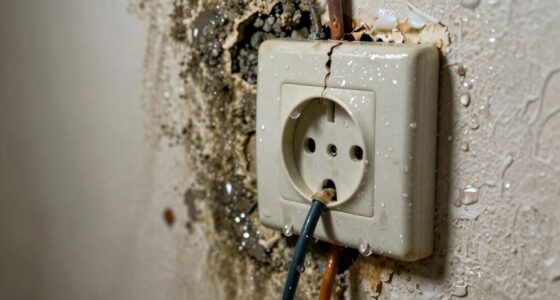
Using temporary extension cords for long-term use can hide serious safety risks you might overlook. These cords aren’t designed for permanent wiring, and over time, they can overheat and become a fire hazard. Overloading them or running cords across walkways can cause trips or heat buildup. Proper wiring and regular inspections are safer options. To stay safe, you need to understand these hidden dangers—keep going to learn more about preventing hazards in your home.

Get oils, diffusers and self-care delivered free with Prime
- Fast, free delivery on millions of items
- Prime Video, Amazon Music and more included
- Member-only deals all year
Key Takeaways
- Temporary extension cords are often overlooked as fire hazards despite their potential for overheating and damage.
- Relying on them long-term increases risks of electrical overload and short circuits.
- Running cords across walkways or under rugs creates tripping and overheating hazards.
- Damage or wear in cords can silently lead to electrical fires if not regularly inspected.
- Proper wiring and safety practices are essential to prevent hidden fire risks associated with temporary cords.
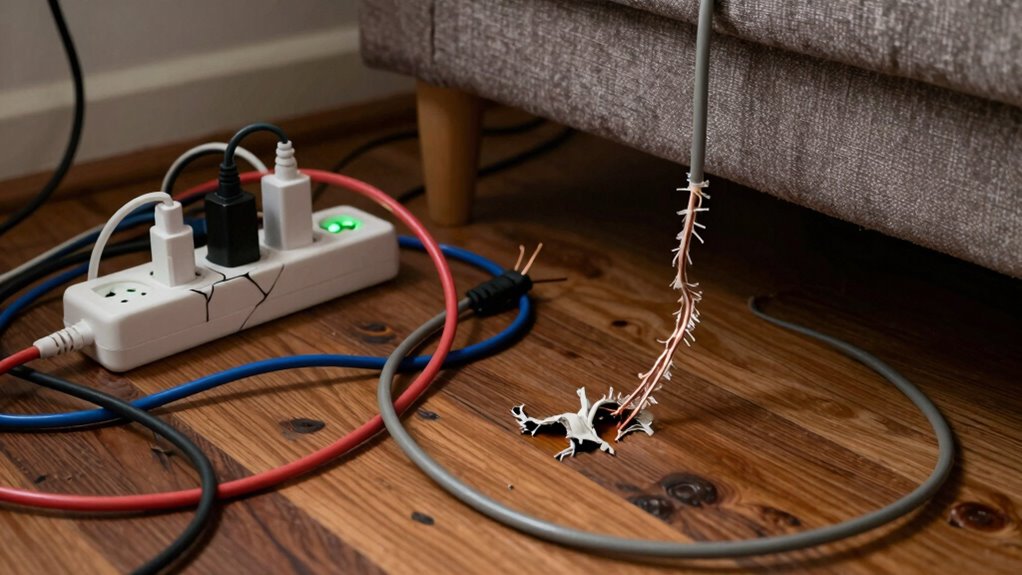
Temporary extension cords may seem convenient, but they often hide serious safety risks that you might overlook. When you rely on these cords for your daily needs, it’s easy to forget the potential indoor hazards they introduce. Many people assume that as long as the cord is in good condition, it’s safe to use indefinitely. However, extension cords are not designed for permanent use, and over time, they can become a notable fire hazard. Knowing how to spot and prevent these dangers is essential for keeping your home safe.
One of the biggest risks with extended use of temporary extension cords is electrical overload. When you plug multiple devices into a single cord, especially if they draw a lot of power, you increase the chance of overheating. Overloaded cords can cause the insulation to melt or the wiring to short circuit, which are common causes of indoor fires. To prevent this, never connect multiple extension cords together or overload a single cord beyond its rated capacity. Always check the wattage limits and distribute power loads evenly across different outlets when possible.
Avoid overloading extension cords to prevent overheating and reduce fire hazards.
Another indoor hazard related to temporary extension cords is improper placement. You might run cords across walkways or doorways without thinking about the safety implications. These cords can become tripping hazards, leading to falls and injuries. Additionally, if cords run underneath rugs or furniture, they can overheat because airflow is restricted. This increases the risk of fire. To minimize these dangers, keep cords out of high-traffic areas, secure them along walls or baseboards, and avoid hiding them under carpets or furniture. Proper electrical wiring is a safer long-term solution that helps prevent these issues. Moreover, understanding electrical safety guidelines can help you identify and mitigate other common hazards associated with temporary cords. It’s also important to be aware of cord condition and replace any cords that show signs of wear before they become a hazard. Regular inspection and awareness of fire risks associated with damaged or overloaded cords are essential for maintaining a safe home environment.
heavy-duty extension cords for home use
As an affiliate, we earn on qualifying purchases.
As an affiliate, we earn on qualifying purchases.
Frequently Asked Questions
Can Temporary Extension Cords Cause Electrical Fires?
Yes, temporary extension cords can cause electrical fires if you overload the cord or if the insulation wears out. When you plug in too many devices, you increase the risk of cord overload, which heats up the wire and can ignite. Additionally, if the insulation on the extension cord begins to wear or get damaged, it exposes live wires, increasing the chance of sparks and fires. Always use cords properly and replace damaged ones promptly.
How Long Can a Temporary Extension Cord Safely Be Used?
Think of a temporary setup like a fragile bridge—you want it to be safe but not overstretched. Generally, you shouldn’t use an extension cord beyond 50 feet, as longer cords can overheat and pose fire risks. Keep the cord length as short as possible to meet your needs. Regularly inspect the cord for damage, and avoid overloading it to guarantee safety during your temporary setup.
Are There Specific Brands Better for Temporary Use?
When choosing extension cords for temporary use, you should compare brands based on quality ratings and safety features. Brands like UL-listed, heavy-duty options such as Southwire or Coleman tend to have better safety records and durability. Look for high ratings in customer reviews, clear wattage and insulation specifications, and certifications. Avoid cheap, unbranded cords, as they often lack necessary safety features, increasing risk during temporary use.
What Are the Signs of a Damaged Extension Cord?
You should regularly perform an extension cord inspection to spot damage indicators. Look for exposed wires, frayed insulation, cracks, burn marks, or bent prongs. If the cord feels hot or makes sparking sounds, stop using it immediately. Damaged extension cords pose serious safety risks, so address any issues promptly. Replacing a damaged cord is essential to prevent electrical shocks, fires, or short circuits, ensuring your safety during temporary use.
Can Outdoor Extension Cords Be Used Indoors Safely?
Is an outdoor extension cord the knight in shining armor for indoor use? Not quite. You shouldn’t use outdoor extension cords indoors, as they’re designed for different extension cord types and outdoor safety standards. Indoor safety relies on using cords rated specifically for indoor use to prevent hazards like overheating or electrical shocks. Always check the cord’s label; if it’s meant for outdoor use, avoid using it inside your home.
Conclusion
Don’t disregard the dangers of DIY extension cord use. Diligently double-check for damage, avoid overloading, and never treat temporary cords as permanent fixtures. Staying vigilant and practicing proper safety safeguards can considerably reduce risks. Remember, rushing and neglecting safety steps can turn temporary setups into tragic tales. By being aware and attentive, you protect yourself, your space, and those you love. Safety isn’t a shortcut—it’s a steadfast, simple, and crucial safeguard that saves lives.
Halloween Picks
halloween
As an affiliate, we earn on qualifying purchases.