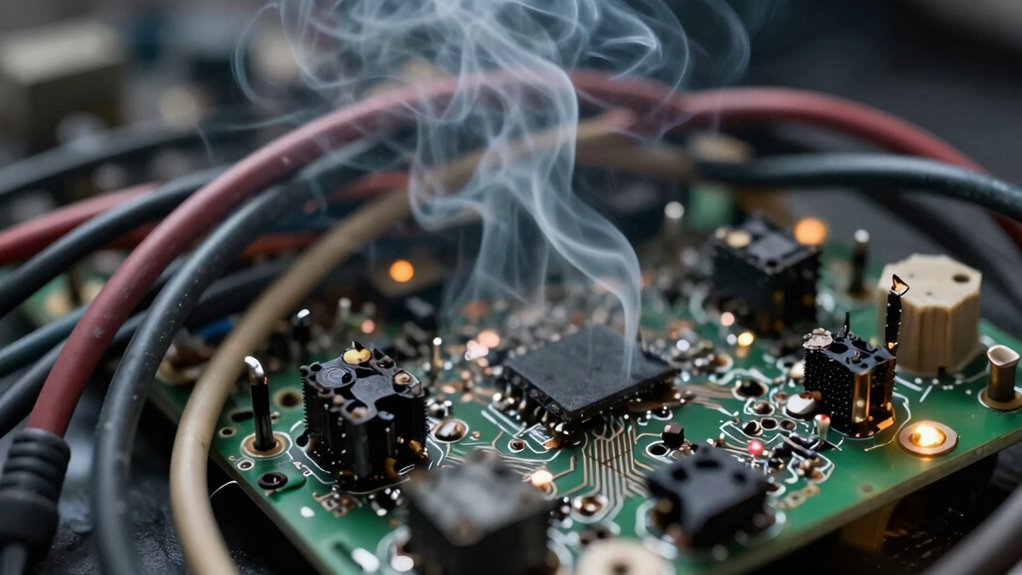
If you notice a fishy smell from your electrical system, it’s likely caused by overheating or melting components releasing chemical fumes. Faulty wiring, overloaded circuits, or malfunctioning appliances can also produce this odor, signaling a potential fire hazard. These smells often indicate that parts are breaking down or melting, which can lead to further damage or health risks. Stay alert—understanding what causes these odors can help you prevent bigger problems if you keep exploring.

Get oils, diffusers and self-care delivered free — and shop member deals
- Fast, free delivery on millions of items
- Access to Prime Big Deal Days deals on October 6–7
- Prime Video, Amazon Music and more included
Key Takeaways
- Overheating or melting electrical components release chemical fumes that produce a fishy odor.
- Faulty or aging wiring can emit chemical smells as insulation breaks down.
- Overloaded circuits generate excessive heat, leading to odor emission.
- Malfunctioning appliances may release chemical fumes, creating a fishy smell.
- Persistent odors indicate wiring or component issues that require immediate inspection.
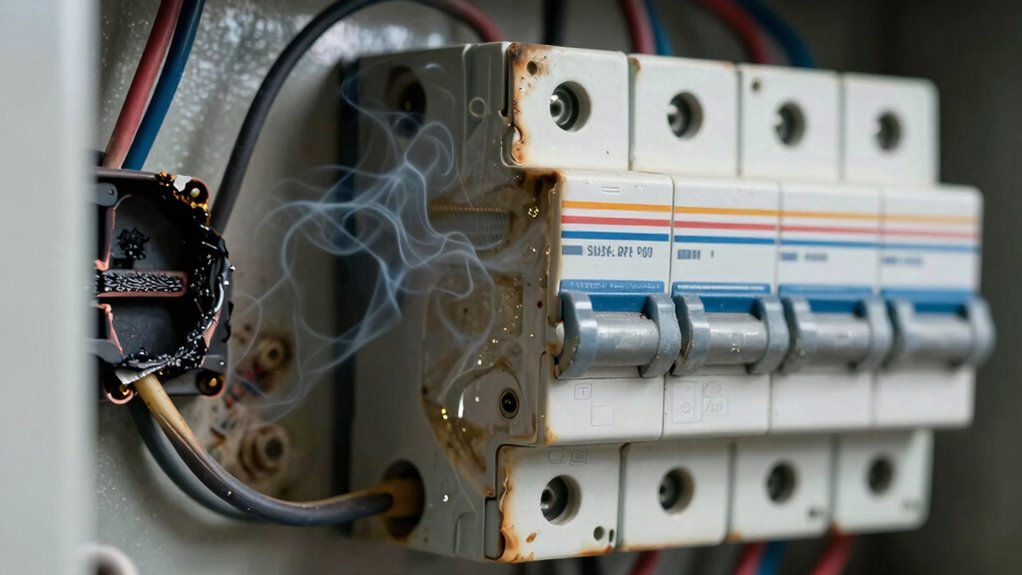
When you notice a strange fishy smell lingering around your home, it’s often a sign that something isn’t right with your electrical system. That odd odor isn’t just a nuisance; it can indicate serious electrical issues that require immediate attention. Electrical safety should always be your top priority, especially when dealing with unusual smells that might point to overheating or wiring problems. The fishy scent often comes from components overheating or melting, which releases chemical fumes. Ignoring this smell can lead to electrical fires or damage to your appliances, so it’s essential to act quickly.
The first step is understanding what’s causing the smell. It could be a sign of an overloaded circuit, faulty wiring, or a malfunctioning appliance. Circuit troubleshooting becomes vital here; you need to identify which part of your electrical system is at fault. Start by unplugging devices and turning off circuits one at a time, paying close attention to any changes in the smell. If the odor diminishes after turning off a specific circuit, you’ve likely found the source. If the smell persists even after unplugging everything, the problem might be within the wiring or a hidden component that’s overheating. Additionally, electrical components can sometimes emit odors due to insulation breakdown or chemical fumes from melting parts. Recognizing the signs early can prevent further damage or potential hazards, especially as aging or faulty wiring can increase the risk of such issues. Regular electrical system maintenance is also recommended to catch problems before they escalate. It’s important to remember that electrical safety includes understanding these warning signs and acting promptly to prevent dangerous situations.
As an affiliate, we earn on qualifying purchases.
Frequently Asked Questions
Can a Fishy Smell Indicate a Serious Electrical Fire Risk?
Yes, a fishy smell can indicate a serious electrical fire risk. It often signals issues like faulty electrical wiring or circuit overloads, which generate heat and emit unusual odors. Ignoring this smell can lead to electrical fires or damage. You should immediately turn off the power, avoid using affected outlets, and contact a professional electrician to inspect and fix potential wiring problems to guarantee safety.
How Quickly Should I Address a Fishy Smell From Electrical Outlets?
You should address a fishy smell from electrical outlets immediately, as it’s likely a sign of an underlying issue. Don’t wait—perform an odor investigation and turn off the affected outlet to prevent potential hazards. Regular outlet maintenance can catch problems early, preventing costly damage or fire risks. Coincidentally, ignoring the smell could lead to more serious issues, so act swiftly to guarantee safety and proper electrical function.
Are Certain Appliances More Prone to Causing Fishy Odors?
Certain appliances are more prone to causing fishy odors, especially those with electrical components like refrigerators, dishwashers, and dryers. Poor appliance maintenance can lead to overheating or electrical faults, which might produce unusual smells. Regular odor detection and inspection help catch issues early. If you notice a fishy smell, promptly check these appliances for signs of electrical problems, and consider professional maintenance to prevent further damage or hazards.
Can Electrical Issues Cause Health Problems Besides Odors?
It might seem like a coincidence, but electrical issues like faulty wiring or circuit overloads can actually cause health problems beyond just unpleasant smells. Faulty electrical wiring can lead to electrical shocks or fires, risking burns or injuries. Overloaded circuits may generate excessive heat, increasing fire hazards and releasing harmful fumes. These problems could also trigger respiratory issues or allergies, so addressing electrical issues promptly keeps you safe and healthy.
Is It Safe to Use Electrical Devices With a Fishy Smell?
No, it’s not safe to use electrical devices with a fishy smell. Electrical safety is vital, and a fishy odor can signal wiring issues or overheating, posing fire hazards or electrical shocks. Rely on odor detection to recognize problems early. If you notice a fishy smell, turn off the device immediately, unplug it, and have a professional inspect your wiring for potential dangers before using it again.
Conclusion
When electrical issues stir, they don’t just hum quietly—they can release a scent as strange as a fish market at dawn. That “fishy” smell hints at hidden dangers lurking behind your walls, whispering of overheating wires or faulty connections. Stay alert to these odd odors; they’re your home’s silent alarm, urging you to act before sparks turn to flames. Trust your senses—your home’s safety depends on it.
Fall Picks
fall essentials
As an affiliate, we earn on qualifying purchases.