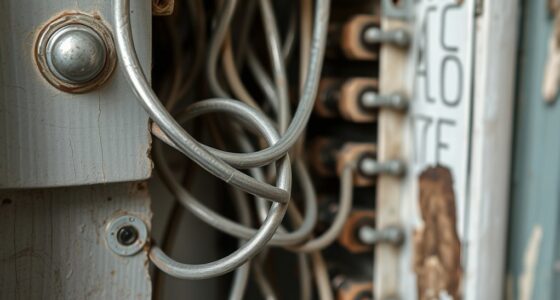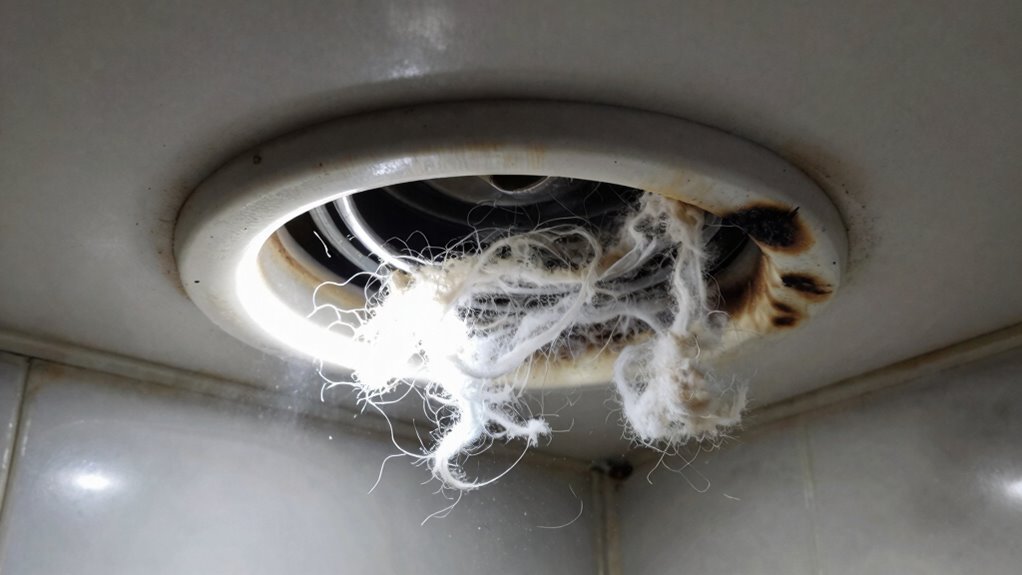
Dryer areas become fire risk zones quickly because lint buildup, poor ventilation, and electrical hazards create perfect conditions for fires. When lint and hot air aren’t vented properly, they can ignite trapped fibers or cause overheating. Frayed wires or outdated electrical parts increase sparks and short circuits. Regular maintenance, cleaning filters, and inspecting vents and wiring help reduce these dangers. To learn more about keeping your dryer safe, keep exploring these important safety measures.

Get oils, diffusers and self-care delivered free — and shop member deals
- Fast, free delivery on millions of items
- Access to Prime Big Deal Days deals on October 6–7
- Prime Video, Amazon Music and more included
Key Takeaways
- Lint buildup inside vent ducts is highly flammable and can ignite easily if not regularly cleaned.
- Poor ventilation causes lint and hot air to accumulate, increasing fire risk.
- Electrical issues like frayed wires or faulty connections can spark fires near the dryer.
- Lack of maintenance allows lint and debris to obstruct airflow, leading to overheating.
- Inadequate inspections and improper installations heighten the chances of electrical and vent-related fires.
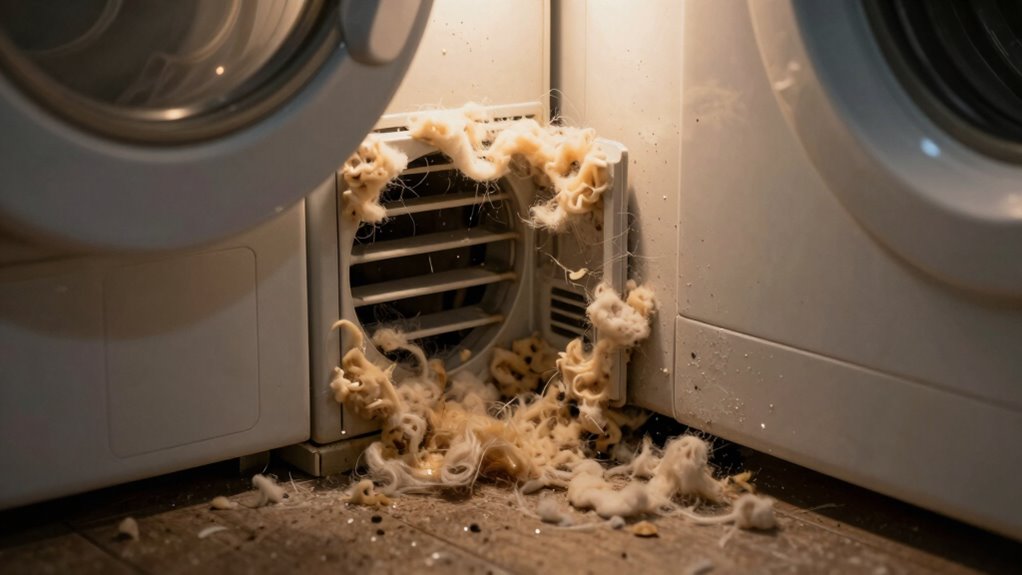
Have you ever wondered why dryer areas are so prone to fires? It’s often because of common issues that many homeowners overlook. One of the main reasons is ventilation problems. When your dryer isn’t properly vented, lint and hot air can’t escape efficiently. This buildup of lint, combined with the heat generated during drying cycles, creates a perfect environment for a fire to ignite. Poor ventilation not only increases the risk of fire but also causes your dryer to work harder, which can lead to overheating and potential electrical hazards.
Electrical hazards are another critical factor that makes dryer areas vulnerable to fires. Many people neglect regular inspection of the electrical connections and wiring. Over time, wires can become frayed or loose, creating sparks that could ignite lint or other combustible materials nearby. Additionally, outdated or damaged electrical components can cause short circuits, which produce heat and sparks. If your dryer’s electrical system isn’t up to code or has been improperly installed, the risk of an electrical fire skyrockets. Regular electrical inspections can help identify these issues early and prevent dangerous situations.
The combination of these issues makes dryer areas particularly risky if not properly maintained. When ventilation issues aren’t addressed, lint accumulates inside the dryer and vent ducts, increasing the chance of a fire starting within the ductwork. Lint is highly flammable, and if it becomes trapped in a hot environment, it can ignite quickly. Meanwhile, electrical hazards—like faulty wiring or overloaded circuits—can cause sparks or overheating, which may ignite lint, fabric, or nearby combustibles. Additionally, understanding the importance of fire prevention measures can greatly reduce the risk of such incidents. Regular maintenance, such as checking for ventilation blockages, is essential to keep these risks in check. Properly maintaining and cleaning your dryer and vent system can also help prevent fire hazards.
Many homeowners don’t realize that routine maintenance can significantly reduce these dangers. Regularly cleaning the lint filter after each load is essential, but you should also schedule professional inspections of your venting system. Ensuring the vent duct is free of obstructions and properly connected helps prevent lint buildup and reduces fire risk. Additionally, having a licensed electrician check your dryer’s wiring periodically can catch electrical hazards before they become serious problems. Proper maintenance, including cleaning and inspections, is key to minimizing fire risks. Staying proactive about these safety measures can make a substantial difference in safeguarding your home.
Ultimately, understanding that ventilation issues and electrical hazards are the main culprits behind dryer fires helps you take proactive steps to prevent them. Proper maintenance, timely repairs, and vigilance in cleaning and inspecting your dryer and its surroundings can make a huge difference. When you stay aware of these risks, you protect your home, your belongings, and most importantly, your family from the devastating effects of a dryer fire. Regularly educating yourself about fire safety can further enhance your readiness to prevent such incidents.
As an affiliate, we earn on qualifying purchases.
Frequently Asked Questions
How Often Should I Clean My Dryer’s Lint Filter?
You should clean your dryer’s lint filter after every load. Regular cleaning prevents lint accumulation, which can block airflow and cause overheating. Additionally, check and clean your vent system monthly to avoid vent blockages. Keeping the lint filter and vent clear reduces fire risks and improves your dryer’s efficiency. Make it a habit to maintain these areas consistently for safety and best performance.
Can Using Fabric Softeners Increase Fire Risk?
Yes, using fabric softeners can increase fire risk. They leave behind flammable residues on your clothes and in the dryer, which can ignite during high heat. These residues can also cause chemical reactions within the dryer’s components, making fires more likely. To stay safe, limit fabric softener use or opt for natural alternatives, and always clean your lint filter regularly to prevent buildup of flammable materials.
What Signs Indicate My Dryer Vent Needs Professional Cleaning?
You might need professional dryer vent cleaning if you notice your dryer is overheating or if there’s excessive lint buildup around the vent. Signs include longer drying times, a musty smell, or the vent feeling hot to the touch. Vent blockage causes your dryer to work harder, increasing fire risk. Don’t ignore these signs—regular cleaning guarantees safety, prevents fire hazards, and keeps your dryer running efficiently.
Are Certain Dryer Models More Fire-Resistant Than Others?
Some dryer models are designed with enhanced dryer safety features, making them more fire-resistant than others. Look for models with automatic shut-offs, lint filters that are easy to access and clean, and advanced venting systems. Fire-resistant models often have better insulation and safety sensors to prevent overheating. While these features improve safety, routine maintenance and regular cleaning are essential to keep your dryer safe and reduce fire risks.
How Does Dryer Placement Affect Fire Hazard Levels?
Your dryer placement directly impacts fire hazard levels. Improper placement can cause ventilation issues, trapping heat and lint, which increases fire risk. Avoid placing your dryer in confined spaces or near combustible materials. Make sure there’s adequate clearance around the unit for proper airflow. Poor placement creates ventilation issues and placement hazards, making it easier for lint buildup and overheating, ultimately elevating the chance of a fire. Proper installation and regular maintenance are essential for safety.
Conclusion
So, next time you hear that faint hum or see a pile of lint gathering, remember how easily a dry, dusty corner can turn into a blazing inferno. Your dryer’s quiet whirring hides a potential nightmare—hidden lint, overheated vents, and worn-out parts waiting to ignite. Stay vigilant, keep that lint trap clean, and give your dryer’s vents a regular check. Because in those seemingly harmless spaces, safety is your best defense against fiery chaos.
Fall Picks
fall essentials
As an affiliate, we earn on qualifying purchases.