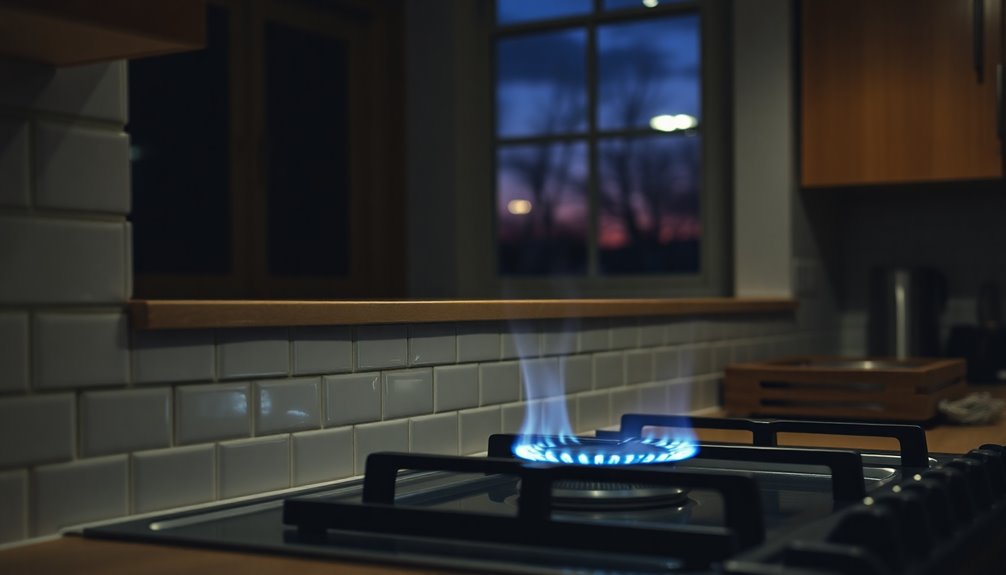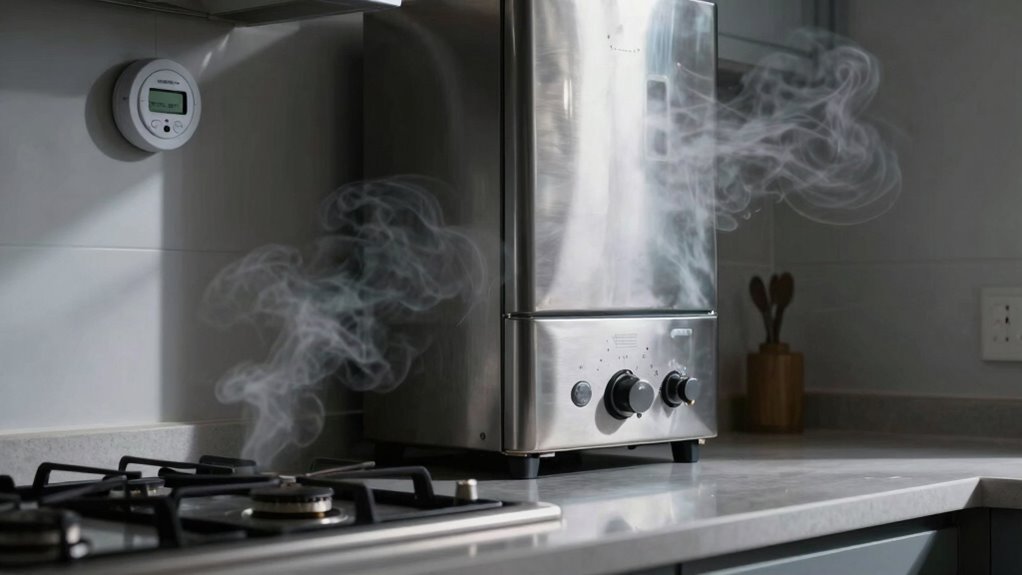

Carbon monoxide is dangerous in households because it’s odorless, colorless, and tasteless, so you can’t detect it without special devices. It can quickly build up from appliances like furnaces and stoves, especially if they’re faulty or poorly vented. Since it replaces oxygen in your blood, even small amounts can cause headaches, dizziness, or worse. Prolonged exposure affects your health over time, making it essential to understand how to protect yourself—and you’ll find more helpful tips below.

Get oils, diffusers and self-care delivered free with Prime
- Fast, free delivery on millions of items
- Prime Video, Amazon Music and more included
- Member-only deals all year
Key Takeaways
- Carbon monoxide is odorless, colorless, and tasteless, making it impossible to detect without specialized equipment.
- It replaces oxygen in the bloodstream, depriving organs and tissues of essential oxygen.
- Prolonged or high-level exposure can cause severe health issues or death without warning signs.
- Common household appliances and improper ventilation increase the risk of CO buildup.
- Early detection with alarms and regular maintenance are critical to prevent poisoning and protect household members.
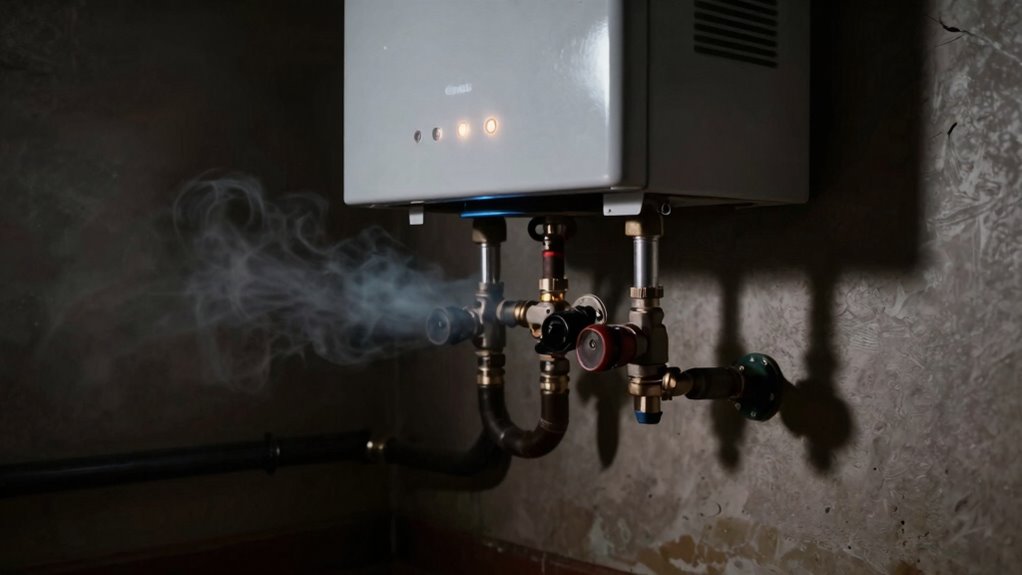
Carbon monoxide (CO) is often called the “silent killer” because it’s odorless, colorless, and tasteless, making it impossible to detect without specialized equipment. This trait makes CO particularly hazardous inside your home, where it can accumulate unnoticed and pose serious health risks. Poor indoor air quality becomes a hidden threat when CO levels rise, as it replaces oxygen in your bloodstream and deprives your body’s organs and tissues of the oxygen they need to function properly. Without warning signs, you might be exposed to dangerous concentrations, increasing the risk of gas poisoning.
Your household appliances, such as furnaces, water heaters, stoves, and fireplaces, are common sources of carbon monoxide. If these devices are faulty, improperly vented, or used incorrectly, CO can build up rapidly in enclosed spaces. This is especially true in winter months, when windows and doors stay closed, trapping the gas inside. You may not realize there’s a problem until symptoms appear, which often mimic the flu—headaches, dizziness, nausea, and confusion. Because these symptoms are so vague, many people dismiss them until they become severe or even fatal.
The danger of CO in your home isn’t just about immediate health effects; it also impacts long-term indoor air quality. Even low-level, chronic exposure can lead to respiratory problems, heart issues, and cognitive impairments. Children, pregnant women, the elderly, and individuals with pre-existing health conditions are particularly vulnerable to these effects. That’s why understanding the gas poisoning risks associated with CO is vital for every household. Regular maintenance of appliances, proper installation of exhaust systems, and the use of carbon monoxide detectors can greatly reduce these risks. Detectors should be placed near sleeping areas so you’ll be alerted early if CO levels start to rise while you’re asleep or unaware.
Additionally, indoor air quality can be significantly compromised when CO accumulates, emphasizing the importance of proper ventilation in your home. Failing to take preventive measures leaves you exposed to the dangers of CO buildup, which can escalate quickly in an enclosed environment. Monitoring indoor air quality with sensors and detectors can help identify early signs of dangerous gas levels before they become harmful. It’s crucial to understand that CO detection technologies have become more affordable and effective, making it easier to safeguard your household. Without proper detection, you might unknowingly breathe in hazardous levels of carbon monoxide, putting everyone in your household at risk. Protecting your indoor air quality by installing alarms and maintaining appliances is your best defense against gas poisoning risks. Remember, carbon monoxide doesn’t just threaten your health—it can be deadly without warning. Taking proactive steps guarantees your home remains a safe space, free from the invisible danger lurking in the air you breathe.
carbon monoxide detector with alarm
As an affiliate, we earn on qualifying purchases.
As an affiliate, we earn on qualifying purchases.
Frequently Asked Questions
Can Carbon Monoxide Be Detected Through Smell or Taste?
No, carbon monoxide can’t be detected through smell or taste because it’s odorless and tasteless. Relying on odor detection or taste sensitivity is dangerous, as these methods won’t alert you to its presence. Instead, you should install a carbon monoxide detector, which can alert you early before dangerous levels build up. This proactive approach helps keep your household safe from the silent, deadly threat of carbon monoxide.
How Long Does It Take for CO Poisoning Symptoms to Appear?
Imagine waking up feeling dizzy and nauseous after running your gas fireplace overnight. Symptoms of CO poisoning can appear within minutes to a few hours, depending on exposure levels. The symptom onset varies, but high concentrations can cause rapid poisoning, while lower levels lead to a longer poisoning timeline. Recognizing early signs is essential, as delayed treatment increases the risk of severe health effects or death.
Are Certain Household Appliances More Likely to Emit CO?
Certain household appliances, like gas furnaces, water heaters, and stoves, are more likely to emit carbon monoxide due to appliance risks and emission sources. These appliances burn fuel inefficiently or develop leaks, increasing CO risk. Always guarantee proper ventilation, regular maintenance, and install detectors. You should be particularly cautious with older or poorly maintained units, as they pose a higher danger of dangerous CO buildup in your home.
Can Pets Detect Carbon Monoxide Presence Before Humans?
Pets can’t reliably detect carbon monoxide presence before humans. While some pets may show unusual behavior as a pet alert, this isn’t a guaranteed detection method. Detection methods like carbon monoxide alarms are your best safeguard, providing early warnings before you even notice symptoms. Relying solely on pets is risky; always install and maintain certified CO detectors to protect your household effectively.
What Are the Long-Term Health Effects of Low-Level CO Exposure?
Chronic low-level CO exposure can lead to serious health issues over time. You might experience neurological impacts like headaches, dizziness, memory problems, and concentration difficulties. Prolonged exposure can also cause fatigue, weakness, and even damage to your heart and brain. It’s vital to have functioning detectors and guarantee proper ventilation, as ongoing low-level exposure silently harms your health, often without obvious symptoms until significant damage occurs.
Conclusion
In summary, understanding the dangers of carbon monoxide is essential for your household’s safety. Don’t wait until the midnight oil burns out or a tragedy strikes—be proactive. Install detectors, maintain appliances, and know the signs of CO poisoning. Remember, even in the age of digital marvels, this silent killer remains a threat. Stay vigilant, keep your home safe, and don’t let history repeat itself—protect your loved ones from this invisible menace.
Halloween Picks
halloween
As an affiliate, we earn on qualifying purchases.