Sticking objects like cotton swabs into your ears to clean them can push wax deeper, causing damage to your ear canal or eardrum. It increases your risk of infection, ear injury, and temporary hearing loss. Earwax actually protects your ears from dust and bacteria, and your ears are designed to clean themselves naturally. If you want to understand the full dangers and safe practices, there’s more you should know.

Get oils, diffusers and self-care delivered free with Prime
- Fast, free delivery on millions of items
- Prime Video, Amazon Music and more included
- Member-only deals all year
Key Takeaways
- Inserting objects pushes earwax deeper, increasing impaction and risking damage to the ear canal or eardrum.
- Sticking things in ears can cause tiny tears or perforations, leading to infections and hearing problems.
- Using objects to clean ears disrupts their natural self-cleaning process and can cause more harm than good.
- Improper removal techniques may cause injury, worsening ear health and delaying proper treatment.
- Relying on objects for ear cleaning ignores the ear’s natural ability to self-maintain, risking long-term damage.
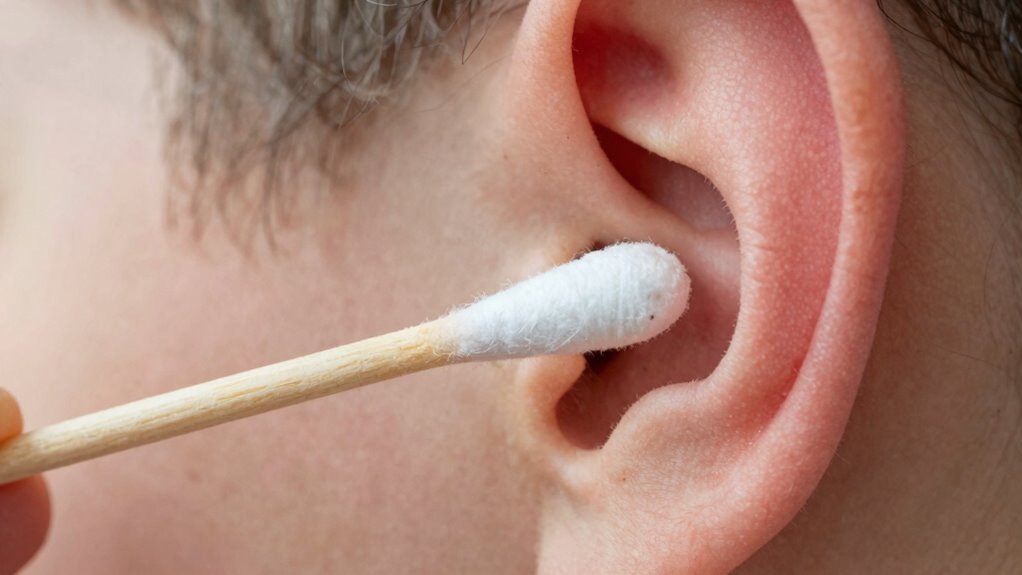
Many people believe that sticking objects like cotton swabs into their ears is an easy way to clean them, but this practice can actually do more harm than good. Instead of helping, inserting items into your ears pushes earwax deeper, risking damage to your ear canal or eardrum. It’s a common misconception that earwax is dirt that needs to be removed regularly. However, earwax actually serves essential functions, protecting your ears from dust, bacteria, and moisture. When you try to remove it with cotton swabs or other objects, you disrupt this natural defense system, potentially causing impaction or injury.
Inserting objects in your ears can push wax deeper and cause injury, disrupting your ear’s natural protection.
Understanding safe ear cleaning methods begins with knowing what not to do. Using cotton swabs or other pointed tools can cause tiny tears or perforations in the delicate skin of your ear canal. These injuries may lead to infections or even temporary hearing loss. Pushing earwax further inside can also result in impaction, where the wax blocks your ear canal and causes discomfort, ringing, or muffled hearing. If you experience symptoms like pain or hearing loss, it’s best to seek medical advice rather than attempting to remove wax yourself. Additionally, earwax removal techniques that are gentle and proper can help prevent complications and protect your hearing health.
There are better earwax removal techniques that prioritize safety. For example, many healthcare professionals recommend softening earwax with drops containing mineral oil, glycerin, or commercial earwax removal solutions. After a few days of softening, you can gently rinse your ear with warm water during a shower or use a bulb syringe to flush out loosened wax. This method is gentle, effective, and minimizes the risk of injury. It’s always important to avoid inserting anything deep into your ear canal, even when trying to clean it. Regularly self-care practices for ear health can help maintain your ears without risking damage. An understanding of the natural ear-cleaning process can also reassure you that your ears are capable of managing excess wax on their own. Using appropriate ear hygiene methods and being aware of your ear’s natural functions helps promote long-term ear health. If you’re unsure about the right approach, consulting an ear specialist ensures you use safe ear cleaning methods without causing damage.
In most cases, your ears are self-cleaning; they naturally expel excess wax through jaw movements like talking or chewing. Regular hygiene routines, such as wiping the outer ear with a damp cloth, are sufficient for maintaining ear health. Remember, attempting aggressive or unnecessary ear cleaning can do more harm than good. If you notice persistent wax buildup or discomfort, a healthcare provider can safely remove the wax using specialized tools. Trusting professional guidance and sticking to safe ear cleaning methods helps protect your hearing and ear health in the long run. Proper ear health is closely linked to earwax functions, which play a vital role in protecting your hearing.
Products Worth Considering

OMRON Complete 2-in-1 Upper Arm Blood Pressure Monitor with EKG

Hyperice Normatec 3 Leg Compression Boots – Standard Size

Garmin Venu 3 Fitness Smartwatch, 45 mm, Black
As an affiliate, we earn on qualifying purchases.
Frequently Asked Questions
Can Using Cotton Swabs Cause Permanent Hearing Loss?
Using cotton swabs can cause permanent hearing loss if you’re not careful. They can push wax further into your ear, risking damage to your ear canal safety and eardrum. Instead, focus on safe wax removal techniques, like softening wax with drops or visiting a professional. Avoid inserting objects into your ears, as it can harm delicate structures and lead to long-term hearing issues.
How Often Should I Clean My Ears Safely?
For ideal ear hygiene and safe wax removal, you should clean your ears only once a week or as needed. Avoid inserting objects like cotton swabs, which can push wax deeper or cause damage. Instead, let natural wax work its way out, and use gentle, damp cloths if necessary. Regular, cautious care keeps ears clean without risking irritation or injury, promoting healthy hearing and overall ear health.
Are There Natural Remedies for Earwax Buildup?
You can try natural remedies like herbal ear drops with ingredients such as olive oil or tea tree oil to soften earwax. Ear irrigation methods, performed carefully, can help remove buildup without risking damage. However, avoid inserting objects into your ear, and always consult a healthcare professional before attempting irrigation or herbal remedies. Properly managing earwax keeps your ears healthy and prevents discomfort or potential infections.
What Signs Indicate Earwax Impaction?
If you notice ear pain, a feeling of fullness, ringing, or reduced hearing, these are signs of earwax impaction. Poor ear canal hygiene can cause buildup, making wax removal techniques necessary. Avoid inserting objects into your ear, as they can worsen the blockage or cause injury. Instead, consider safe methods like ear drops or professional cleaning to help clear the wax naturally and protect your ear health.
When Should I See a Doctor for Ear Issues?
You should see a doctor if you experience persistent ear pain, hearing loss, dizziness, or discharge, as these could indicate an ear infection or injury. If you notice bleeding, severe discomfort, or if symptoms worsen despite home care, seek medical attention promptly. An ear injury or infection can worsen without proper treatment, so don’t delay visiting a healthcare professional to prevent complications and assure proper healing.
Conclusion
Don’t treat your ears like a dusty attic waiting to be tidied. Sticking things in them to clean is like trying to sweep dust under the rug—it only pushes the problem deeper. Your ears are delicate, and inserting objects can cause damage or push wax further in. Instead, let your ears do their job naturally. Think of them as tiny guardians, quietly protecting you without the need for DIY invasions. Trust the process—your ears will thank you.