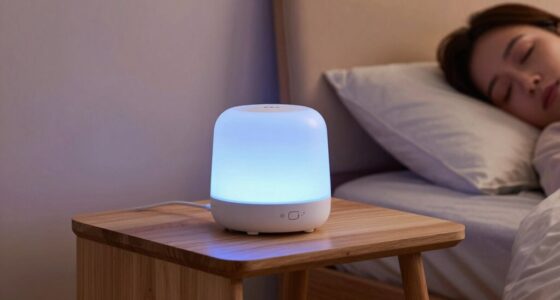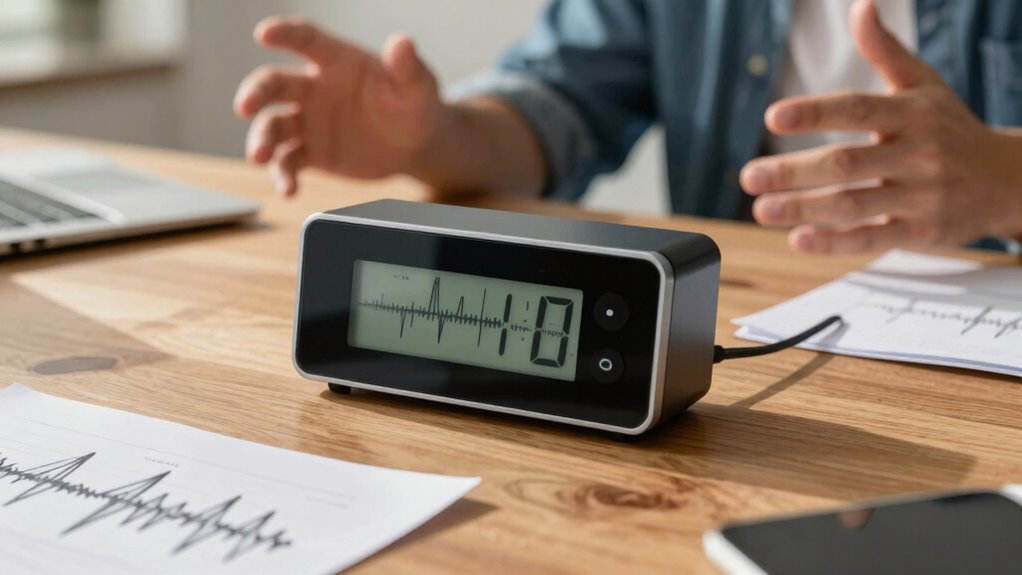

You might think some sounds are harmless because they don’t seem loud, but sound level meters reveal the hidden dangers behind quiet-seeming noises. Human perception isn’t always accurate—what sounds tolerable can still cause long-term health issues like stress, sleep problems, or even hearing damage. Monitoring actual noise levels helps you understand the real risks, so you can take steps to protect yourself. Keep going to uncover how seemingly quiet environments can still be harmful.

Get oils, diffusers and self-care delivered free with Prime
- Fast, free delivery on millions of items
- Prime Video, Amazon Music and more included
- Member-only deals all year
Key Takeaways
- Perceived loudness often underestimates actual noise levels; quiet-seeming sounds can still be harmful.
- Sound level meters provide objective data, revealing hidden risks in seemingly quiet environments.
- Noise that feels tolerable may exceed safe thresholds, risking long-term health effects.
- Regular measurement helps identify and manage noise pollution before it causes health issues.
- Understanding true noise levels supports effective advocacy for safer, quieter environments.
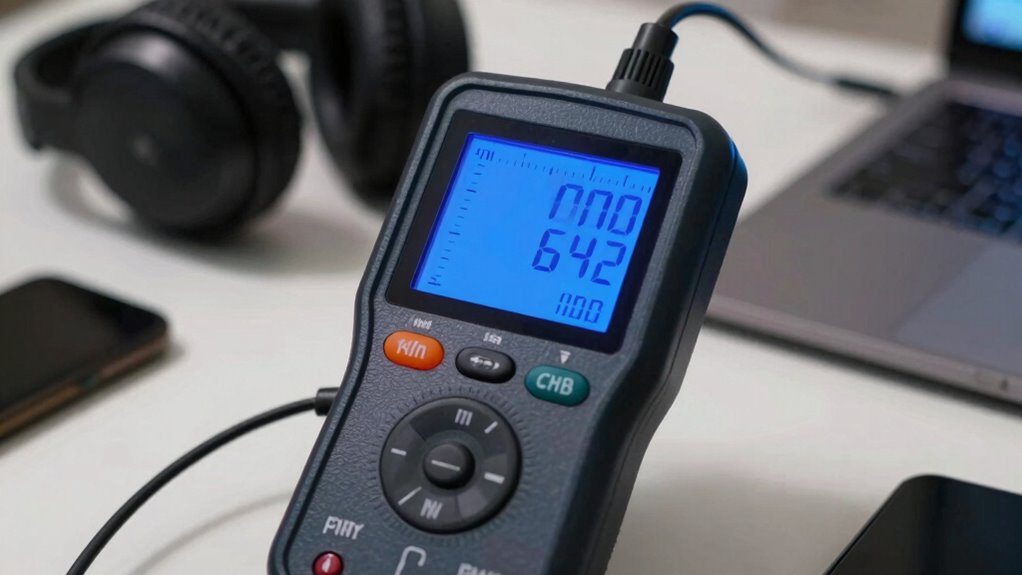
Sound level meters are essential tools for measuring noise levels in various environments, from industrial sites to concert halls. You might think that if something doesn’t seem loud, it probably isn’t a problem. But the reality is that human perception of noise isn’t always accurate, especially when it comes to noise pollution and its health impact. Just because a sound doesn’t seem loud to you doesn’t mean it isn’t causing harm. In fact, many environments emit noise at levels that might seem tolerable, but prolonged exposure can lead to serious health issues.
Sound level meters reveal hidden risks in seemingly quiet environments, highlighting the importance of accurate noise measurement for health.
Noise pollution isn’t just an annoyance; it’s a real health concern. Chronic exposure to elevated noise levels can contribute to stress, sleep disturbances, and even cardiovascular problems. When you’re in an environment with persistent background noise—whether it’s traffic, machinery, or loud music—your body reacts by releasing stress hormones. Over time, these physiological responses can wear down your health, increasing the risk of hypertension, heart disease, and mental health challenges like anxiety and depression. What’s tricky is that some sounds seem harmless or are perceived as “not that loud,” leading people to ignore potential risks. That’s why sound level meters are so valuable—they provide objective data on noise levels, helping you distinguish between what feels tolerable and what’s actually harmful.
Using a sound level meter, you can measure the decibel levels of your environment precisely. This data helps you understand whether the noise exceeds safe thresholds set by health organizations. For example, prolonged exposure to noise above 85 decibels can cause hearing loss, but even lower levels sustained over hours can negatively impact your health. You might not notice the damage until it’s too late, which is why regular monitoring is crucial. When you realize that what once seemed “not that loud” actually surpasses safe limits, you’re empowered to take action—whether it’s reducing exposure, using protective equipment, or advocating for noise control measures. Objective noise measurement plays a vital role in assessing potential health risks accurately. Additionally, understanding the importance of sound level data can help you advocate for safer environments in your community.
Ultimately, understanding the true noise levels around you dispels the misconception that loudness is subjective. Noise pollution’s health impact is real, and it’s often underestimated because of how noise is perceived. Sound level meters serve as your eyes and ears—helping you see the reality behind the sounds, so you can make informed decisions about your environment. Recognizing the connection between noise pollution and health impact isn’t about fear-mongering; it’s about protecting your well-being through awareness and proper measurement. Don’t dismiss the quiet-seeming noises—they might be doing more damage than you realize. Accurate measurement of noise levels is crucial for understanding and mitigating health risks. Being aware of noise exposure thresholds helps ensure that your environment remains safe and healthy.
As an affiliate, we earn on qualifying purchases.
Frequently Asked Questions
How Often Should I Calibrate My Sound Level Meter?
You should calibrate your sound level meter regularly to maintain equipment accuracy. Typically, calibration frequency depends on how often you use it, but doing it at least once a year is recommended. If you use your meter frequently or in critical environments, consider calibrating every few months. Regular calibration ensures your readings stay precise, preventing inaccuracies that could affect your measurements and overall noise assessments.
Can Environmental Factors Affect Sound Level Measurements?
Environmental factors definitely affect sound level measurements. Urban noise, for example, can cause fluctuations, making your readings less accurate if you’re not cautious. Acoustic barriers might block or reflect sounds, skewing results. To guarantee accurate measurements, you should consider these factors, choose appropriate locations away from excessive noise, and account for barriers that could influence the sound environment. Being mindful of these elements helps you get reliable data.
What Is the Best Type of Sound Level Meter for Personal Use?
You should choose a digital sound level meter with acoustic calibration for personal use, especially to measure noise pollution accurately. These meters are user-friendly, portable, and provide reliable readings. Acoustic calibration guarantees your device stays precise over time. Look for models with adjustable settings, clear displays, and good reviews. This way, you can effectively monitor noise levels in your environment and protect your hearing.
How Do I Interpret Decibel Readings Accurately?
You should interpret decibel readings by considering that a 10 dB increase sounds roughly twice as loud. To guarantee accuracy, check the sound level meter’s frequency calibration regularly, as it affects measurement precision. Be mindful of noise interference, which can skew readings, especially in noisy environments. Comparing your readings to standard noise level charts helps you understand the actual loudness, making your measurements more reliable and meaningful.
Are There Legal Standards for Sound Level Measurements?
Yes, there are legal standards for sound level measurements to address noise pollution and guarantee legal compliance. These standards specify maximum permissible noise levels for different environments, such as workplaces or residential areas. You need to follow local regulations and use calibrated sound level meters to accurately measure noise. By adhering to these standards, you help prevent noise pollution and stay compliant with laws designed to protect public health and safety.
Conclusion
Remember, silence is golden, but noise can be deafening when you least expect it. Using a sound level meter reveals the true intensity of sounds around you, even when they don’t seem that loud. Don’t rely on your ears alone—measure it to know for sure. Whether you’re protecting your hearing or just curious, a sound level meter is your best friend. As they say, “Better safe than sorry,” so measure before it’s too late.
Fall Picks
fall essentials
As an affiliate, we earn on qualifying purchases.