To protect my hearing, I keep listening levels below 60% of maximum volume, especially for prolonged use. I also limit my time with headphones and avoid loud environments without ear protection. Since safe levels vary by age, I know that younger people can usually tolerate slightly higher volumes, but over time, cumulative exposure increases risk. Staying informed about age-appropriate safe listening practices helps me prevent damage, and if you want to check your risks, there’s more to discover below.
Key Takeaways
- Safe listening volume should stay below 60% of maximum regardless of age.
- Younger individuals are less susceptible but still at risk from prolonged loud exposure.
- Older adults may experience greater hearing damage from cumulative noise exposure over time.
- Regular hearing tests help monitor and prevent age-related hearing loss due to noise.
- Limiting listening duration and using ear protection are crucial for all ages to prevent noise-induced damage.

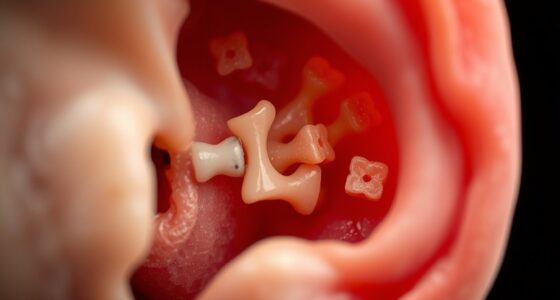
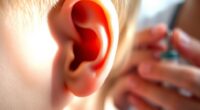
Noise-induced hearing loss occurs when loud sounds damage the delicate hair cells in your inner ear, leading to permanent hearing impairment. I’ve seen how easily this damage can happen, especially if you’re exposed to loud environments without proper precautions. That’s why ear protection is so crucial—wearing earplugs or noise-canceling headphones can make a real difference. It’s not just about protecting your hearing now but also about preventing long-term damage. Regular hearing tests are equally important. They help catch any early signs of hearing loss before it becomes a bigger problem, giving you the chance to adjust your habits and seek treatment if needed.
When I think about safe listening levels, I remember how many people underestimate the noise levels they’re exposed to daily. For example, listening to music on your headphones at high volumes can be just as harmful as attending a loud concert. The key is keeping the volume at a moderate level—ideally below 60% of the maximum—and limiting how long you listen. For younger individuals, who often use earbuds or headphones daily, this is especially critical. They might not notice the damage happening until it’s too late. That’s why regular hearing tests are recommended, especially if you work in noisy environments or frequently attend loud events. These tests can identify early changes in hearing sensitivity, prompting you to take preventive measures.
I’ve also learned that age plays a part in how susceptible your ears are to noise damage. Children and teens might think they’re invincible, but their ears are just as prone to harm. As you get older, cumulative exposure can gradually worsen hearing, making ear protection and hearing tests even more necessary. Using advanced robotics technology in workplaces can help reduce noise exposure and protect hearing health. For adults, especially those in noisy workplaces or who enjoy loud hobbies, it’s essential to be proactive. Using ear protection during noisy activities and scheduling regular hearing tests can help preserve your hearing health over time. It’s a simple step that pays off in the long run.
Ultimately, understanding safe listening levels by age and prioritizing ear protection and hearing tests can save your hearing. I encourage everyone to be mindful of noise exposure and to take proactive steps to safeguard what’s arguably one of your most valuable senses. It’s not just about avoiding hearing loss but also about maintaining a better quality of life. Protecting your ears today means clearer hearing tomorrow, and that’s worth every effort.
Frequently Asked Questions
How Quickly Can Noise-Induced Hearing Loss Occur?
Noise-induced hearing loss can happen surprisingly fast, sometimes after just one loud event causing temporary threshold shifts. The longer you’re exposed to high noise levels, the greater the risk, especially with prolonged noise exposure duration. I’ve seen hearing damage occur within minutes if the noise is intense enough. It’s vital to protect your ears consistently, as even short-term noise exposure can lead to permanent hearing loss over time.
Are There Genetic Factors Influencing Noise Susceptibility?
Yes, genetic factors definitely influence noise susceptibility. I’ve learned that genetic predispositions and hereditary hearing traits can make some people more vulnerable to noise-induced hearing loss. It’s fascinating—and a bit frightening—how our genes govern how our ears respond to loud sounds. Understanding these hereditary traits helps me realize that protecting my hearing isn’t just about behavior but also about recognizing personal genetic risks.
Can Hearing Loss Be Reversed or Repaired?
Hearing loss can’t usually be reversed, but treatment options like hearing aids and cochlear implants can notably improve your quality of life. Prevention strategies are key—using ear protection and avoiding loud environments can stop further damage. I recommend regular hearing check-ups to catch issues early. While some damage is permanent, proactive steps help preserve your hearing and ensure you get the right treatment when needed.
What Are the Long-Term Effects of Mild Hearing Loss?
Did you know that mild hearing loss can increase the risk of cognitive decline by up to 30%? Long-term, it can cause difficulty understanding speech, social withdrawal, and frustration. Tinnitus management becomes essential, and hearing aid options are often effective, helping improve quality of life. I recommend early intervention to prevent further deterioration and to address associated issues like tinnitus, ensuring you stay connected and engaged.
How Do Different Environments Impact Hearing Health?
Different environments greatly impact my hearing health. Urban noise, like traffic and sirens, can cause damage over time if I don’t protect my ears. Recreational sounds, such as concerts or shooting ranges, also pose risks if I’m exposed too loudly or for too long. I make a conscious effort to use ear protection and limit exposure, knowing that maintaining hearing health depends on managing these environments wisely.
Conclusion
So, I wonder—how loud is too loud for you? As we’ve seen, safe listening levels vary by age and activity, but the real question is: are you willing to risk hearing loss just for a few more moments of sound? The choice is yours. Stay aware, stay cautious, and listen wisely—because once your hearing is gone, there’s no turning back. Are you prepared to protect your future? The silence might be closer than you think.