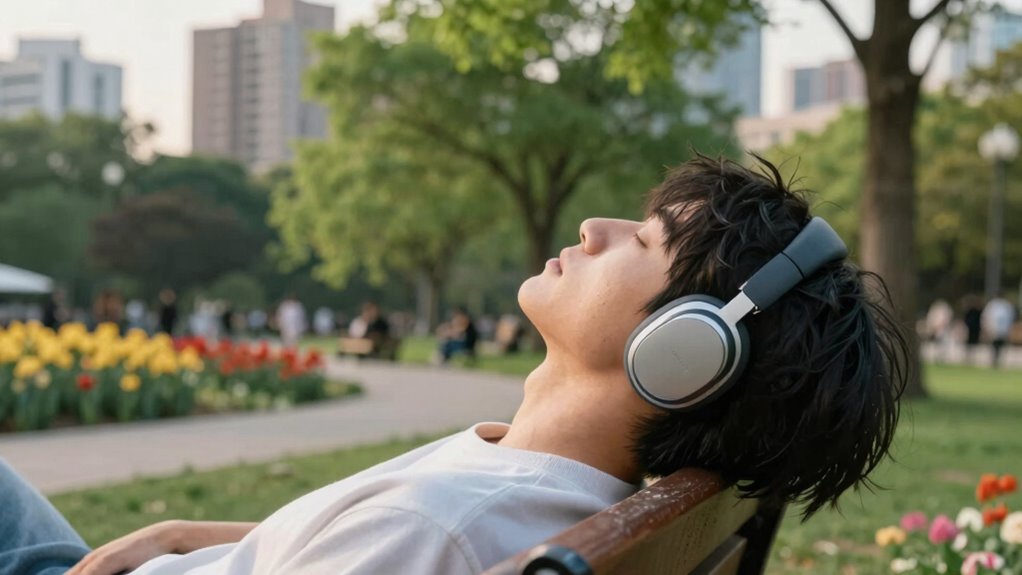

Hearing protection isn’t only for construction sites; you need it in everyday situations too. Loud sounds from concerts, sporting events, mowing, or riding motorcycles can damage your ears over time. Using earplugs or turning down volumes helps prevent long-term hearing loss. Simple habits like these protect your ear health now and later, ensuring you enjoy life’s sounds clearly. Keep exploring to discover effective ways to shield your hearing in all parts of your day.

Get oils, diffusers and self-care delivered free with Prime
- Fast, free delivery on millions of items
- Prime Video, Amazon Music and more included
- Member-only deals all year
Key Takeaways
- Hearing protection is essential in many recreational activities like concerts and sports events, not just construction sites.
- Everyday noises such as mowing, riding motorcycles, or attending loud gatherings can damage hearing without proper protection.
- Noise-induced hearing loss occurs gradually and from repeated exposure, emphasizing the need for consistent ear protection.
- Simple habits like turning down volume and using earplugs help preserve hearing in various noisy environments.
- Protecting ears benefits overall well-being, ensuring enjoyment of sounds in daily life and recreational activities.
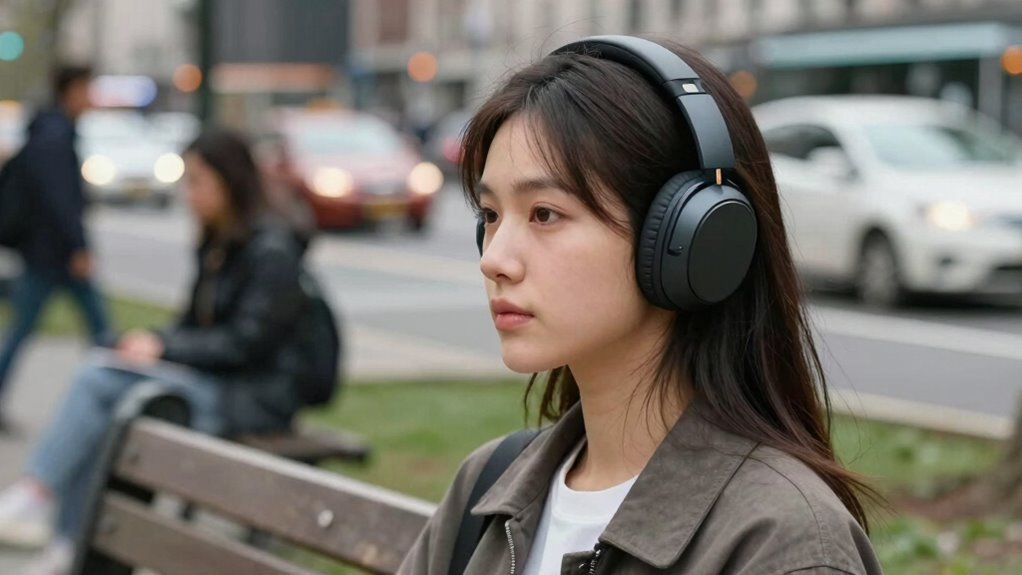
Hearing protection is essential for preventing damage from loud sounds, whether you’re working on a construction site, attending a concert, or using power tools. Many people assume that hearing protection is only necessary in industrial environments, but noise exposure happens in everyday situations too. Whether you’re mowing the lawn, riding a motorcycle, or even at a busy sporting event, your ears can be at risk if you’re not careful. Using effective noise canceling techniques can substantially reduce your risk of hearing loss, but it’s equally important to develop an awareness of ear health. Recognizing when and how to protect your ears keeps long-term damage at bay.
Protect your ears in everyday situations to prevent long-term hearing damage and maintain ear health awareness.
Noise canceling techniques aren’t limited to electronic devices like headphones. They include simple habits, such as turning down the volume on your music, avoiding prolonged exposure to loud environments, or wearing earplugs when attending concerts or fireworks displays. When you’re aware of the noise levels around you, you can take proactive steps to shield your ears before damage occurs. For example, in noisy workplaces or during loud recreational activities, ear protection like foam earplugs or specialized noise-canceling earmuffs can be remarkably effective. These tools don’t just block sound; they help you maintain better ear health awareness by allowing you to enjoy activities without risking your hearing. Additionally, understanding that noise-induced hearing loss accumulates gradually emphasizes the importance of consistent protection. Developing habits that incorporate ear health awareness into daily routines can make a significant difference in preserving hearing. Recognizing the importance of sound level management can also help you avoid unnecessary exposure and protect your hearing health over time.
Developing ear health awareness involves understanding that noise-induced hearing loss accumulates over time. Even sounds that seem tolerable at the moment—like a loud movie or a busy restaurant—can contribute to gradual damage if you’re exposed repeatedly or for extended periods. It’s essential to listen to your body and recognize signs of discomfort or ringing in the ears, which are warning signs of potential harm. Regularly evaluating your exposure levels and using appropriate hearing protection when necessary can help preserve your hearing for years to come.
Furthermore, practicing noise canceling techniques and ear health awareness helps you establish habits that prioritize your well-being. It’s about more than just avoiding permanent hearing damage; it’s about enjoying life’s sounds without risking your ability to hear them clearly in the future. Whether you’re at a concert or working in a noisy environment, taking small steps—like wearing ear protection and reducing unnecessary noise exposure—makes a big difference. Ultimately, protecting your ears isn’t solely a professional concern; it’s a crucial part of maintaining overall ear health and ensuring you can continue to enjoy the sounds that enrich your life.
As an affiliate, we earn on qualifying purchases.
Frequently Asked Questions
Can Hearing Protection Improve Overall Communication Skills?
Yes, hearing protection can improve your overall communication skills by enhancing communication clarity. When you wear hearing devices or protectors, they reduce background noise, allowing you to focus better on conversations. This hearing enhancement helps you catch details and respond more effectively. As a result, your interactions become clearer and less frustrating, boosting your confidence and making communication more efficient in noisy or demanding environments.
Are There Stylish or Discreet Hearing Protection Options Available?
Like a chameleon blending into its surroundings, stylish or discreet hearing protection options let you stay unnoticed while safeguarding your ears. You can find fashionable options with sleek designs that suit your personal style or discreet designs that hide in plain sight. From subtle in-ear models to elegant over-ear styles, these choices let you protect your hearing without sacrificing your look or drawing unnecessary attention, keeping you confident and comfortable.
How Often Should Hearing Protection Be Replaced or Maintained?
You should replace or maintain your hearing protection based on its lifespan and usage. Typically, check your devices regularly for signs of wear, damage, or deterioration. For earplugs, replace them every few days or after contamination, while earmuffs may need cleaning or replacement every year. Proper maintenance frequency guarantees maximum noise reduction and comfort. Always follow manufacturer guidelines to keep your hearing protection effective and safe over time.
Does Hearing Protection Affect Sound Quality or Awareness?
Hearing protection is like a filter that can influence sound quality and awareness. It may cause some sound distortion, making certain noises muffled or unclear. While it reduces harmful noise levels, it can also slightly decrease your situational awareness, so you might miss important cues. However, high-quality earplugs or earmuffs are designed to balance protection with sound clarity, helping you stay aware without risking hearing damage.
Can Hearing Protection Prevent Long-Term Hearing Loss?
Yes, hearing protection can prevent long-term hearing loss caused by noise-induced hearing deterioration. When you wear earplugs or earmuffs in loud environments, you reduce your exposure to damaging noise levels. This helps protect your ears from the gradual deterioration that can occur over time, preserving your hearing health. Consistently using hearing protection in noisy settings is a simple, effective way to avoid the risk of permanent damage.
Conclusion
Remember, hearing protection isn’t just for loud workplaces. Think of your ears as delicate gardens; without care, they wither. When you wear ear protection, you’re planting seeds of safety and preservation. Each time you choose to shield your ears, you’re nurturing a future where your senses thrive, untouched by unnecessary noise. Protect your hearing like tending a precious garden—because your ability to hear is a gift worth safeguarding every day.
Fall Picks
fall essentials
As an affiliate, we earn on qualifying purchases.