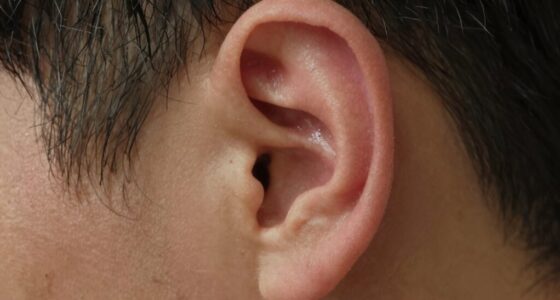
Hearing loss happens when there’s physical damage to your inner ear or auditory nerve, making it harder to detect sound or understand speech, especially in noisy places. Hearing fatigue, on the other hand, is mental exhaustion caused by your brain working extra hard to interpret sounds, even if your ears are perfectly fine. If sounds seem overwhelming or you feel drained after listening, it’s a sign your brain is trying hard, and there’s more to explore about these differences.

Get oils, diffusers and self-care delivered free with Prime
- Fast, free delivery on millions of items
- Prime Video, Amazon Music and more included
- Member-only deals all year
Key Takeaways
- Hearing loss involves physical damage to auditory structures, reducing sound detection ability, while hearing fatigue is mental exhaustion from auditory processing effort.
- Hearing loss causes difficulty hearing certain pitches or speech, whereas hearing fatigue results in mental drain despite normal hearing.
- Hearing loss is linked to ear damage; hearing fatigue stems from the brain’s increased effort to interpret sounds.
- Symptoms of hearing loss include speech comprehension issues; hearing fatigue manifests as mental tiredness after listening.
- Managing hearing loss often requires hearing aids; hearing fatigue can be alleviated by rest and reducing auditory processing demands.
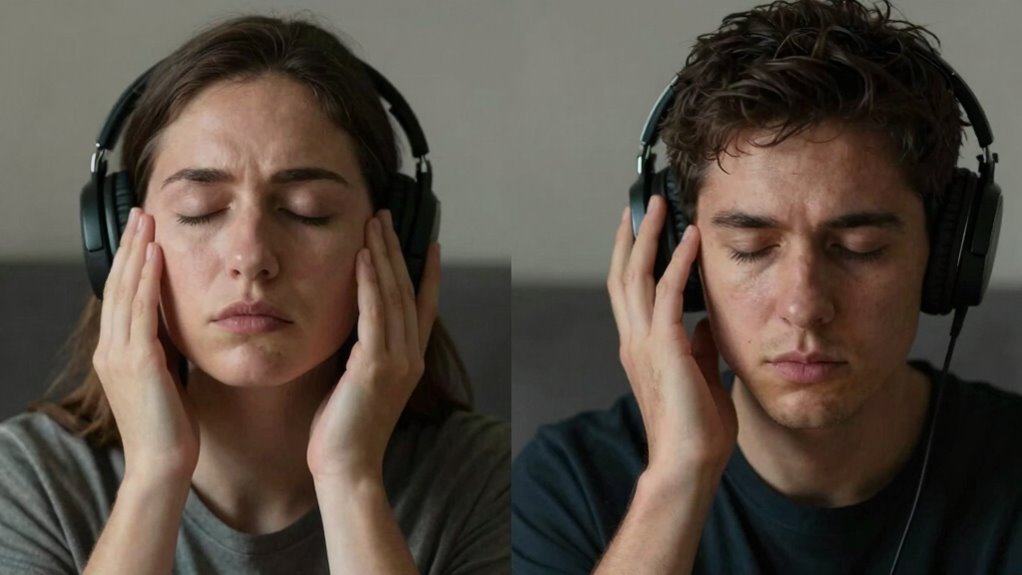
Have you ever felt exhausted after a day of listening, even when your hearing seems fine? That’s often a sign of hearing fatigue, which differs from hearing loss. Hearing loss involves a physical reduction in the ability to detect sounds, usually due to damage or deterioration of the inner ear or auditory nerve. You might notice it as difficulty hearing certain pitches or understanding speech, especially in noisy environments. In contrast, hearing fatigue happens even when your hearing is technically intact. It’s more about how your brain processes sound and handles auditory input over extended periods.
Hearing fatigue occurs even with normal hearing, caused by the brain’s effort to process sound over time.
When your ears are functioning normally, but you still feel drained after a lot of listening, it’s likely related to auditory processing. Your brain has to work harder to interpret and make sense of sounds, especially in complex environments. This extra effort can lead to mental exhaustion, which is what we call hearing fatigue. It’s common if you’re highly sensitive to noise or if you experience noise sensitivity – a condition where everyday sounds seem overwhelming or painfully loud. Your brain struggles to filter out background noise, and this constant filtering takes a toll on your mental energy.
Noise sensitivity can amplify feelings of fatigue because your auditory system is constantly fighting to focus on relevant sounds while ignoring distractions. When you’re in noisy places, your brain’s effort to distinguish speech from background sounds increases, leading to quicker exhaustion. This doesn’t necessarily mean your hearing is damaged, but it highlights how your brain is working overtime to compensate. Over time, this constant strain can cause you to feel tired even if your hearing test shows normal results.
Understanding the difference between hearing loss and hearing fatigue helps you manage your symptoms better. If your hearing appears normal but you’re always tired after social gatherings or long conversations, it’s probably related to auditory processing demands and noise sensitivity. Taking breaks, reducing exposure to loud environments, and choosing quieter settings can help ease this fatigue. If you notice persistent difficulty understanding speech or if your hearing feels diminished, then a hearing assessment might be necessary to rule out actual hearing loss.
In essence, hearing fatigue is a sign that your brain is working harder than usual to process sound, often linked to noise sensitivity and auditory processing challenges. Recognizing this helps you find ways to protect your mental energy and avoid unnecessary exhaustion. It’s important to understand that auditory processing involves more than just the ears — it includes how your brain interprets and manages sound input. Remember, your ears may be functioning fine, but your brain’s response to sound is equally important in maintaining your overall hearing health.
As an affiliate, we earn on qualifying purchases.
Frequently Asked Questions
Can Hearing Fatigue Lead to Permanent Hearing Damage?
Hearing fatigue itself doesn’t cause permanent damage, but it can impact your hearing sensitivity temporarily. When you experience auditory exhaustion from prolonged noise exposure, your ears become less responsive, leading to discomfort and difficulty hearing clearly. If you frequently push your ears without giving them rest, it might increase the risk of long-term hearing issues. Protect your ears and take breaks to maintain healthy hearing and avoid potential damage.
How Quickly Does Hearing Fatigue Typically Set In?
Hearing fatigue can hit you faster than a lightning strike, often within just 15 to 30 minutes of intense listening. Your auditory endurance and listening stamina take a hit, making sounds seem muffled or overwhelming. The longer you expose yourself to loud environments without breaks, the quicker fatigue sets in. Paying attention to signs of tiredness can help you protect your hearing health and avoid deeper damage.
Are There Specific Activities That Cause More Hearing Fatigue?
Certain activities, like spending time in loud environments or where background noise is persistent, cause more hearing fatigue. You might notice increased tiredness after extended conversations in noisy settings or at concerts. These situations force your ears to work harder to distinguish sounds, leading to fatigue. To reduce this, take breaks from loud environments, use hearing protection, and give your ears time to recover after exposure to background noise or loud sounds.
Can Hearing Fatigue Occur Without Noticeable Hearing Loss?
Yes, hearing fatigue can occur without noticeable hearing loss. You might experience auditory exhaustion from prolonged exposure to loud environments or sensory overload, even if your hearing seems normal. This fatigue results from your brain working harder to process sounds, leading to mental exhaustion. You may feel tired or overwhelmed after such experiences, highlighting that hearing fatigue isn’t always linked to actual hearing loss but rather the strain on your auditory system.
What Are Effective Ways to Prevent Hearing Fatigue?
To prevent hearing fatigue, you should practice sound therapy by taking regular breaks from noisy environments and using quiet spaces to recover. Manage noise levels by turning down volume, using noise-canceling headphones, or wearing ear protection in loud settings. Staying aware of your auditory limits and practicing good noise management helps reduce strain on your ears, preventing fatigue and preserving overall hearing health.
Conclusion
Think of hearing loss as a permanently closed window, blocking sound from entering, while hearing fatigue is like a window that’s just overwhelmed and needs a break to clear. Imagine attending a lively party—you might leave feeling exhausted, like your ears are tired, but your hearing is still intact. Recognizing the difference helps you protect your ears better. Just like taking a break from loud music, understanding these signs keeps your hearing healthy and clear for years to come.
Fall Picks
fall essentials
As an affiliate, we earn on qualifying purchases.