If your hearing is fine in quiet settings but struggles in crowds, it may be due to auditory processing issues, not hearing loss. This means your brain has trouble interpreting sounds amid background noise, which can make social situations overwhelming and increase anxiety. Recognizing this is essential because it guides you toward the right solutions, like specialized training or therapy. Keep exploring, and you’ll discover ways to improve your listening and confidence in challenging environments.

Get oils, diffusers and self-care delivered free with Prime
- Fast, free delivery on millions of items
- Prime Video, Amazon Music and more included
- Member-only deals all year
Key Takeaways
- Normal hearing in quiet but difficulty in crowds suggests auditory processing issues, not hearing loss.
- It highlights the brain’s role in filtering and interpreting sounds, especially in noisy environments.
- Recognizing this prevents misdiagnosis and ensures appropriate interventions targeting brain processing.
- Addressing both auditory processing and social anxiety can improve social interactions and reduce frustration.
- Awareness encourages seeking professional evaluation for tailored strategies beyond standard hearing tests.

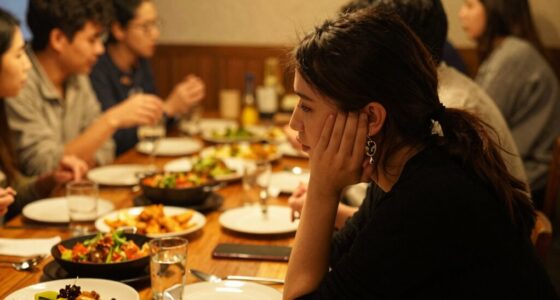
Have you ever noticed that your hearing seems fine in quiet settings but becomes challenging in noisy crowds? Many people experience this, and it’s more than just the annoyance of background noise. It can be a sign of underlying issues with auditory processing, which involves how your brain interprets sounds. When you’re in a crowded place, your brain has to work harder to filter out irrelevant noise and focus on specific conversations. If your auditory processing isn’t as sharp as it should be, you might find yourself struggling to follow what’s being said, even if your ears are physically fine.
Difficulty hearing in noisy environments may indicate auditory processing issues despite normal hearing.
This difficulty isn’t just about hearing—it’s about how your brain processes sound. When you’re in a noisy environment, your brain has to distinguish speech from background noise, a task that requires precise coordination between your ears and your auditory cortex. If this system isn’t functioning *crucially*, you may feel overwhelmed, exhausted, or frustrated. It’s a *vital* experience for many, but it’s often overlooked or misattributed to simple hearing loss. In reality, it’s a *multifaceted* process involving sensory filtering, attention, and cognitive effort. Recognizing that your issues in crowds are related to auditory processing can help you understand why you’re not just “getting older” or “losing hearing,” but experiencing a different kind of challenge altogether.
Social anxiety can also play a significant role here. When you feel anxious about social interactions, noisy environments can intensify that anxiety. The difficulty in understanding conversations can lead to feelings of embarrassment or self-consciousness, which in turn heightens your social anxiety. It becomes a *pivotal* cycle: the more you struggle to hear, the more anxious you feel, and the more anxiety makes it harder to focus on conversations. This heightened state of alertness can make you hyper-aware of background noise and other distractions, which further hampers your ability to process speech effectively. Knowing this connection can reassure you that the problem isn’t purely psychological but involves neurological and sensory factors as well. Additionally, understanding the role of auditory processing can help you seek targeted solutions. Research shows that auditory training can strengthen neural pathways involved in sound discrimination and improve comprehension in noisy settings. Moreover, neuroplasticity suggests that the brain can adapt and improve its processing skills with appropriate exercises and interventions.
Furthermore, advancements in hearing technology, such as digital hearing aids, are increasingly designed to support auditory processing in challenging environments.
Understanding why “my hearing is fine except in crowds” matters is *essential* for addressing the root cause. If you ignore these signs, you might think you just need to “toughen up” or “try harder,” but what you really need is a *holistic* approach that considers auditory processing and social anxiety. Seeking professional help, whether through audiologists, speech therapists, or mental health providers, can make a difference. They can evaluate your auditory processing skills and offer strategies or therapies to improve your experience in noisy environments. Recognizing the importance of this issue can help you take the right steps toward better hearing, reduced anxiety, and more confidence in social settings.
auditory processing disorder hearing aids
As an affiliate, we earn on qualifying purchases.
As an affiliate, we earn on qualifying purchases.
Frequently Asked Questions
Can Hearing Issues Only Occur in Noisy Environments?
Hearing issues aren’t limited to noisy environments. You might experience noise sensitivity, making loud places overwhelming even if your hearing seems fine elsewhere. This can lead to social withdrawal, as you avoid situations where noise becomes uncomfortable. Your hearing may function normally in quiet settings, but the challenge arises in managing the overload during crowds. Recognizing these symptoms helps you seek appropriate support and improve your overall communication experience.
How Can I Tell if I Have Hidden Hearing Loss?
You might have hidden hearing loss if you notice trouble understanding speech in noisy settings, despite normal hearing tests. It’s linked to reduced hearing sensitivity and auditory processing issues. To tell for sure, see an audiologist who can perform specialized tests beyond standard hearing exams. This way, you’ll identify if your difficulties stem from hidden hearing loss, helping you explore targeted solutions and improve your listening experience.
Are There Specific Tests for Hearing in Crowds?
Yes, there are specific tests for hearing in crowds, focusing on auditory processing and noise adaptation. These assessments evaluate how well you can understand speech amid background noise, revealing potential hidden hearing issues. Audiologists may use specialized tests like speech-in-noise tests or auditory processing evaluations to measure your ability to filter out distractions and adapt to noisy environments. These tests help identify challenges you might not notice in quiet settings.
What Health Conditions Are Linked to Hearing Difficulties in Crowds?
Health conditions like auditory processing disorder and autism spectrum disorder are linked to hearing difficulties in crowds. You might struggle with auditory processing, making it hard to distinguish sounds in noisy environments. These challenges can affect social communication, causing frustration or anxiety. Recognizing these links helps you understand why crowds are overwhelming, prompting you to seek appropriate assessments and strategies to improve your social interactions and auditory experience.
Is Hearing in Crowds a Sign of Early Hearing Loss?
Hearing in crowds can hint at early hearing loss, like a dimming light before it goes out. Your hearing sensitivity might be struggling with noise adaptation, making it hard to distinguish speech amid chatter. If you notice this, it’s a sign to get your hearing checked. Early detection helps safeguard your ears and ensures you stay connected, even when the world around you gets loud.
Conclusion
So, next time you find yourself lost in a noisy crowd, remember that your struggle isn’t just annoyance—it’s a sign. Picture a radio with fading signals or a crowded room where voices blend into a hum. That’s your hearing trying to tell you something. Ignoring it might be like ignoring a flickering warning light. Pay attention, seek help, and restore clarity to your world before the noise drowns out what truly matters.
Fall Picks
fall essentials
As an affiliate, we earn on qualifying purchases.